Request trip
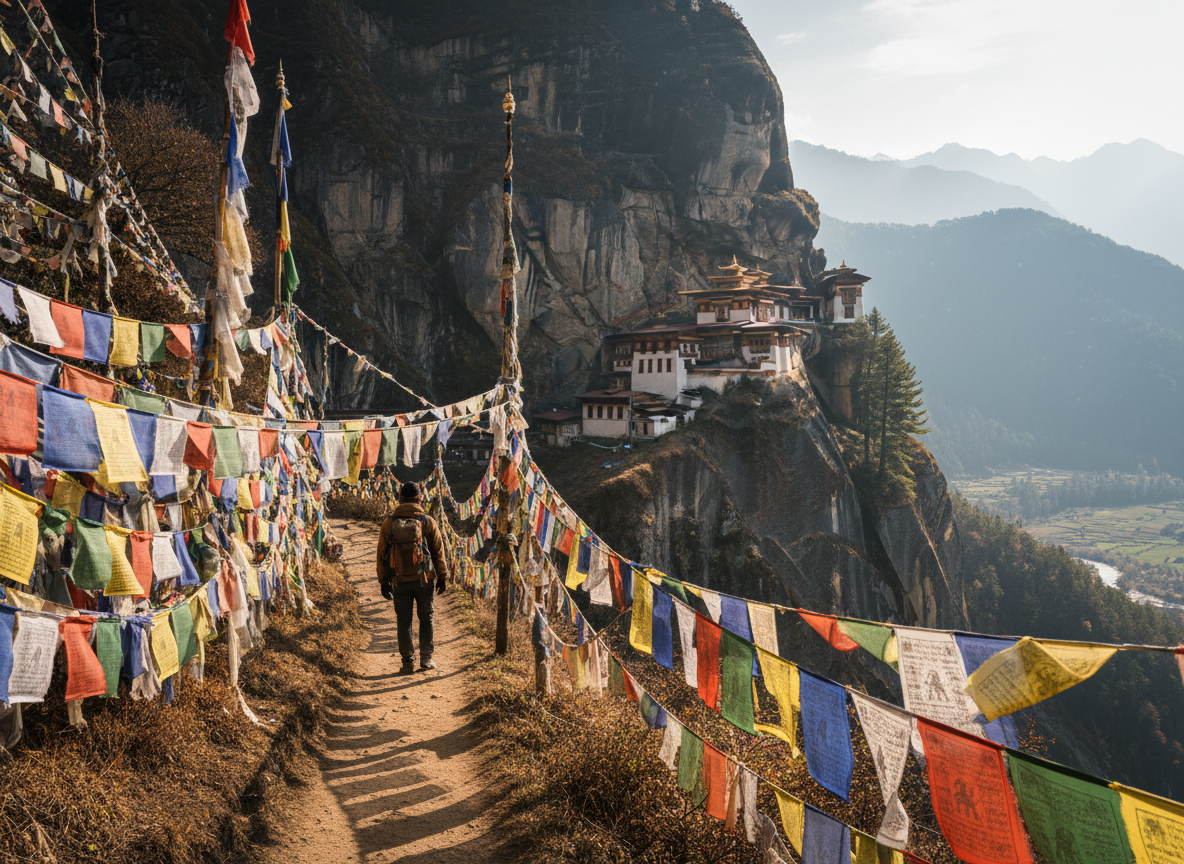
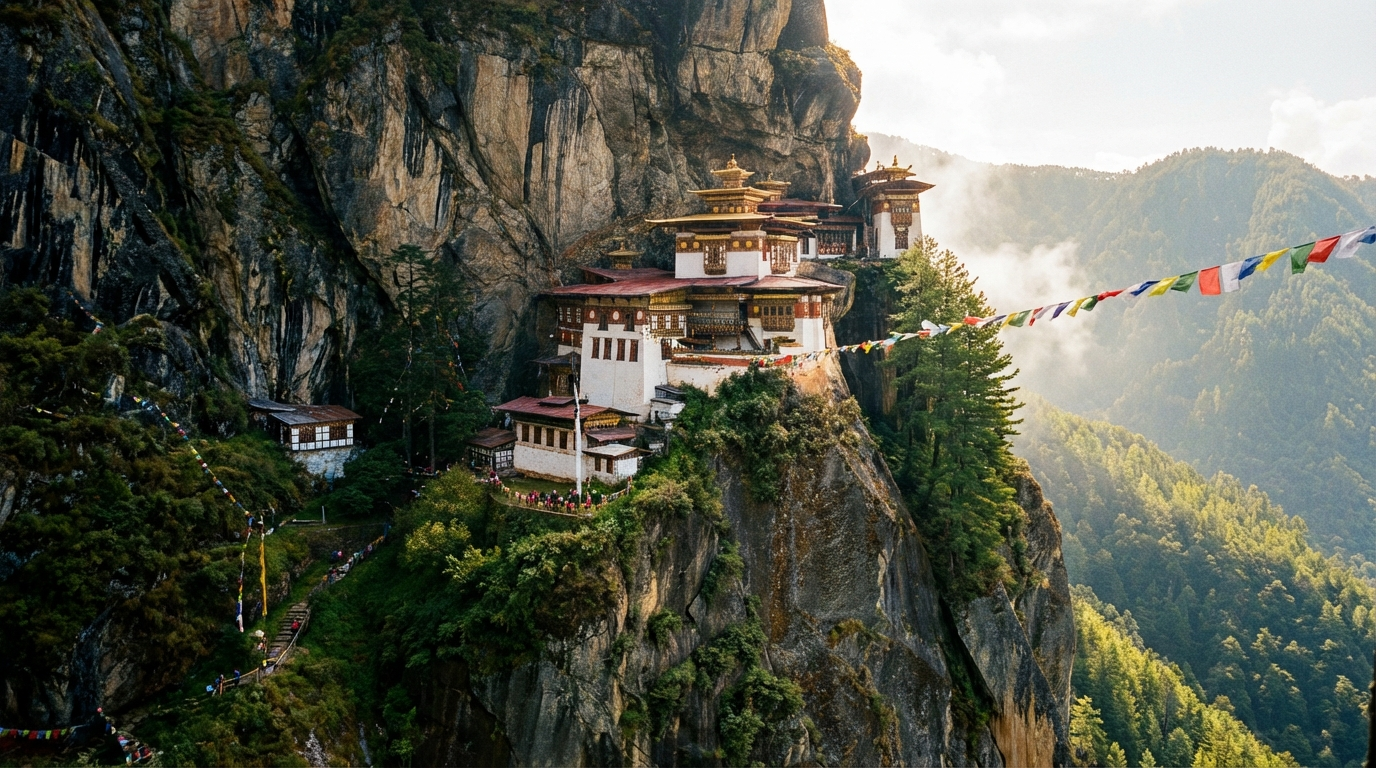
The Tiger's Nest Monastery (Paro Taktsang) perches on a steep cliff above the Paro Valley, surrounded by pine forest and colorful prayer flags - Bhutan's most famous attraction

Discover Bhutan's Attractions and Experiences

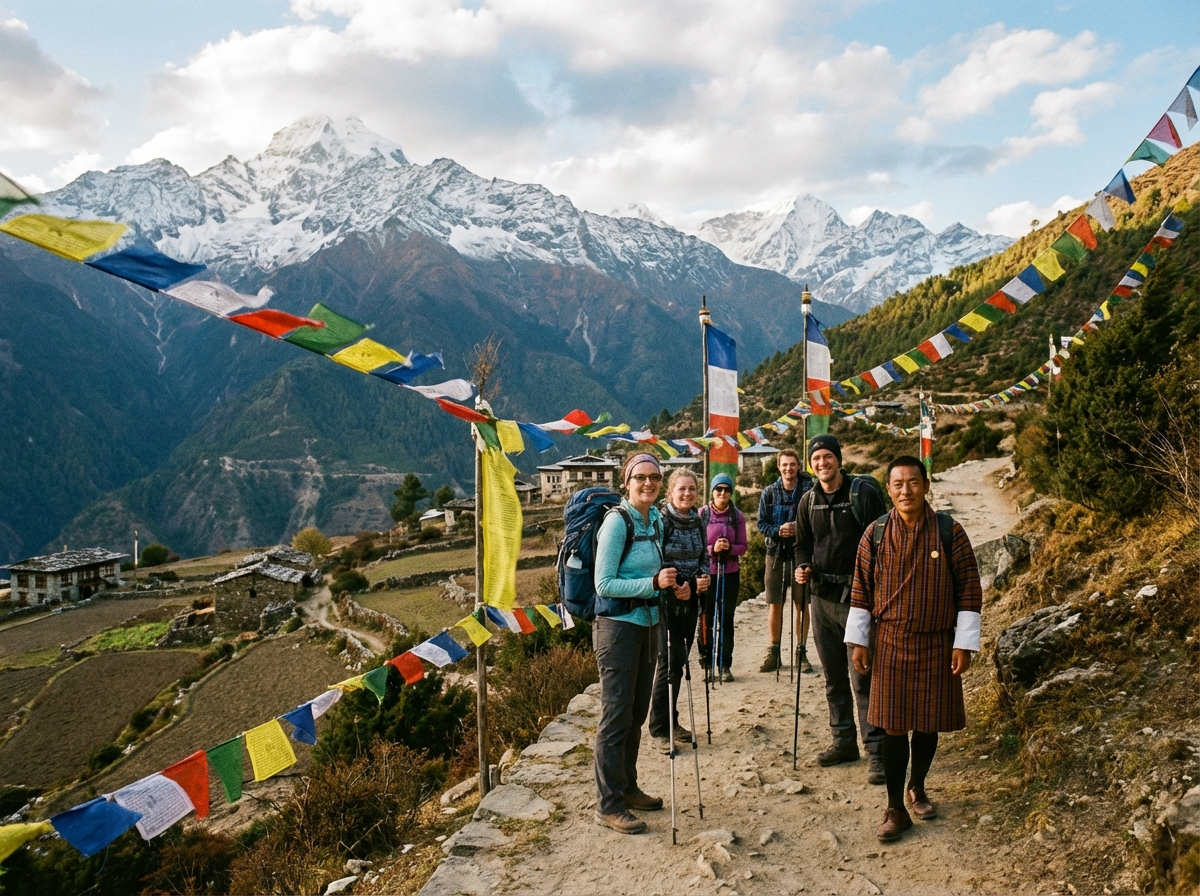
From mystical monasteries clinging to steep cliff faces to colorful mask festivals and serene hikes through pristine Himalayan valleys – Bhutan invites you to experience the extraordinary.

What Makes Bhutan So Special

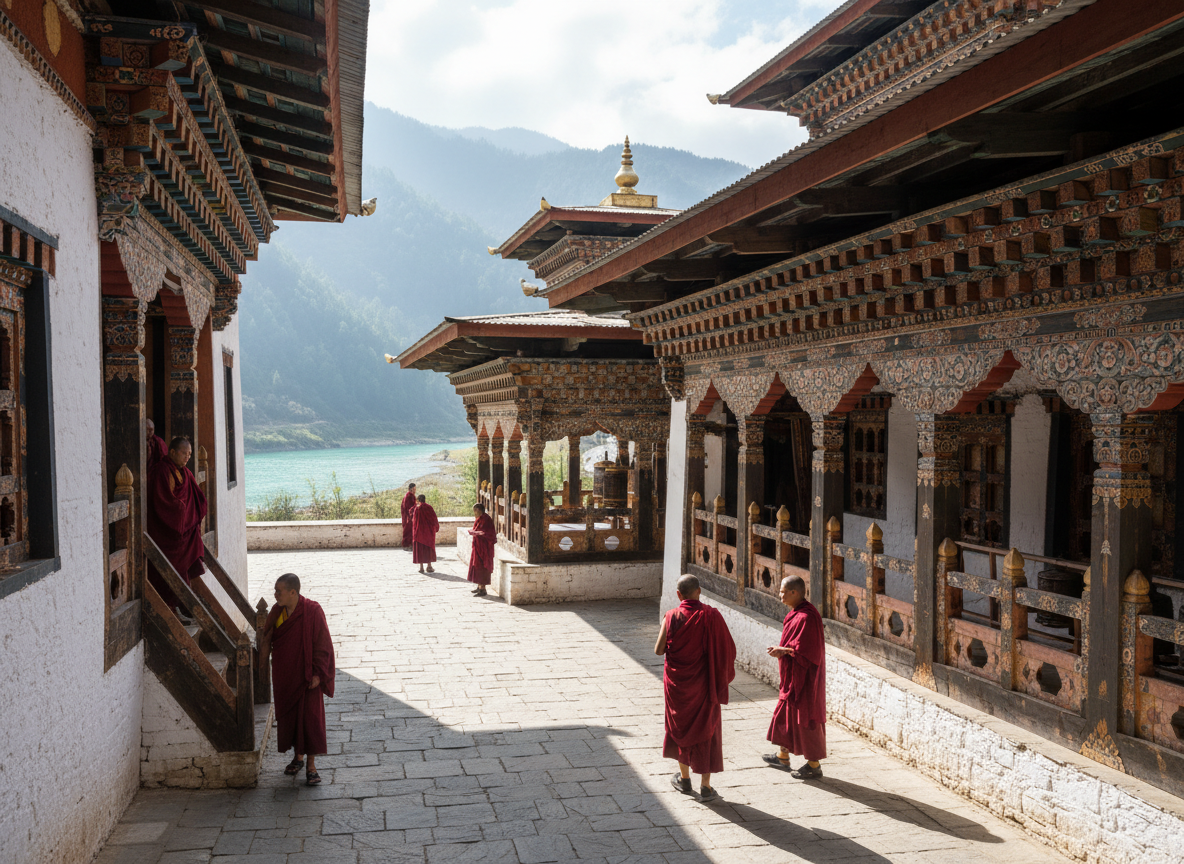
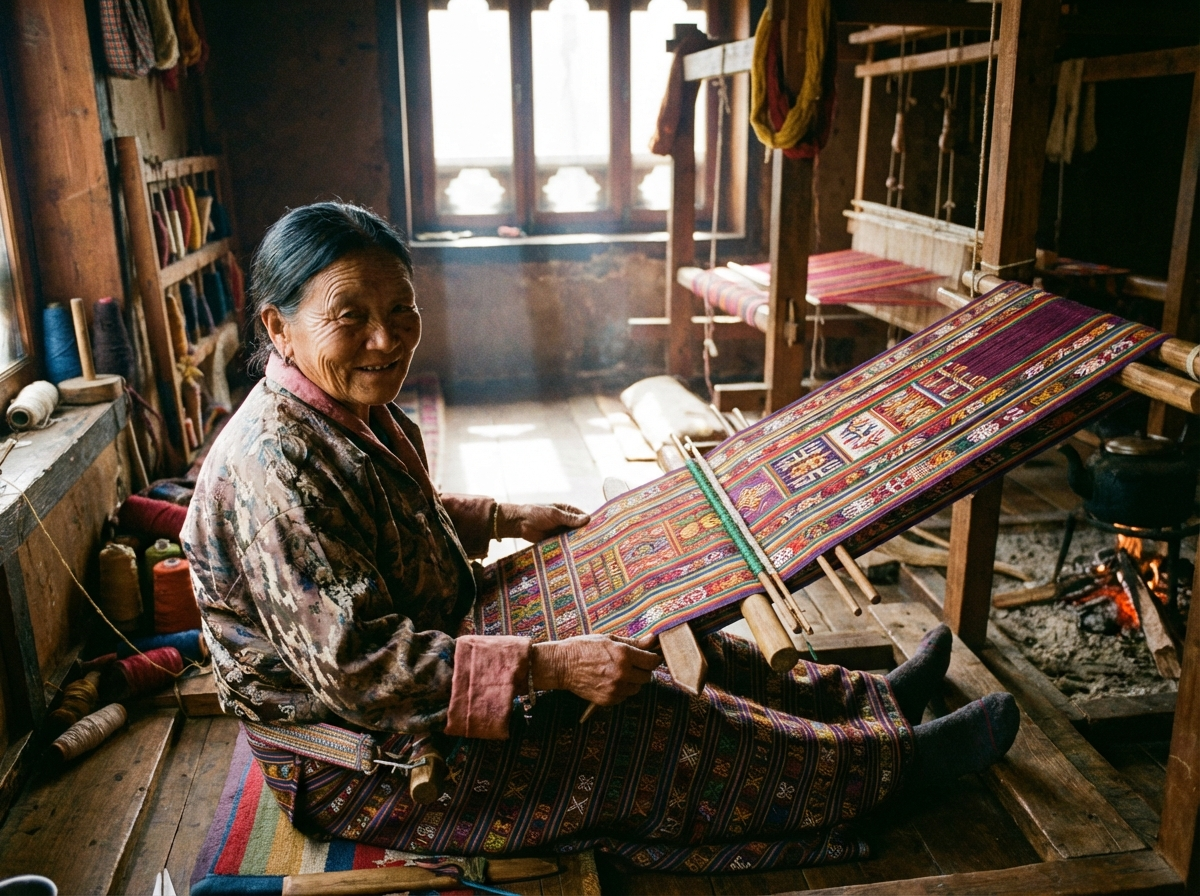
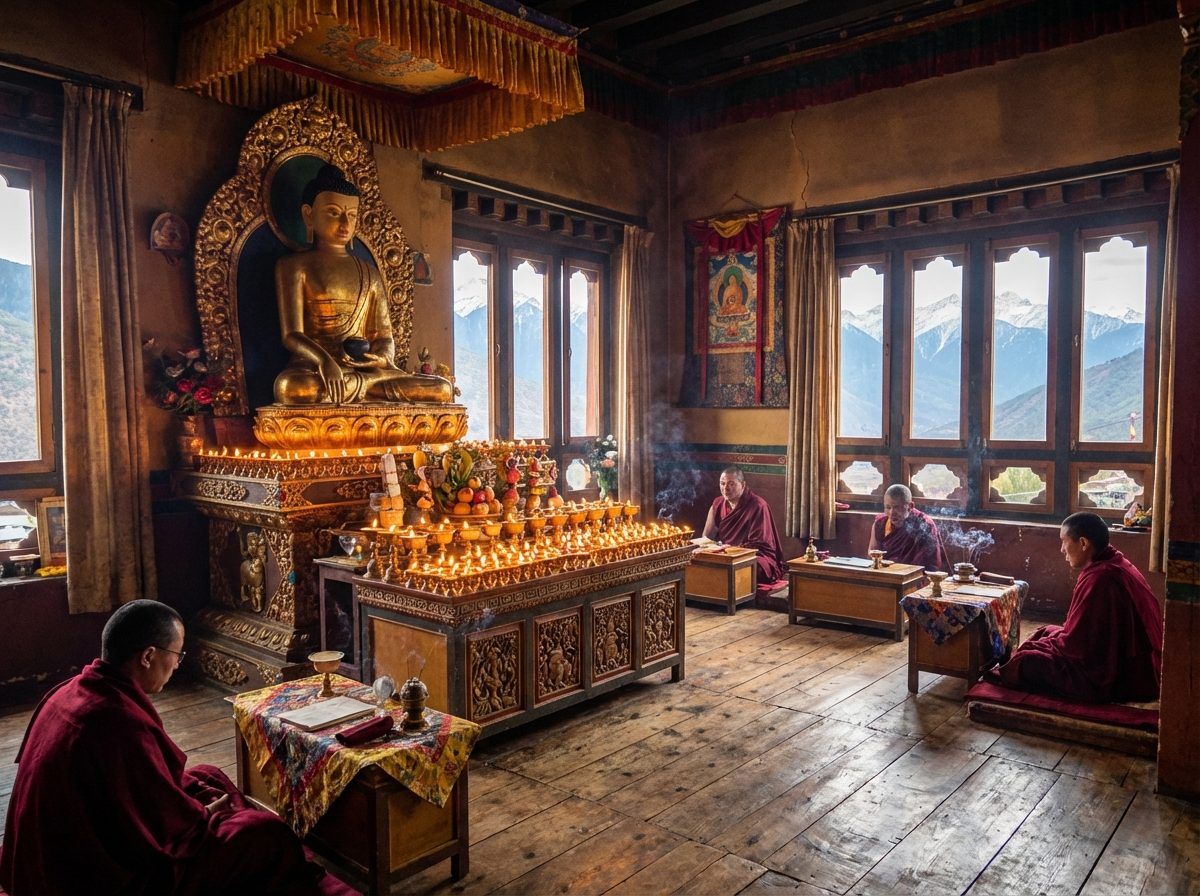
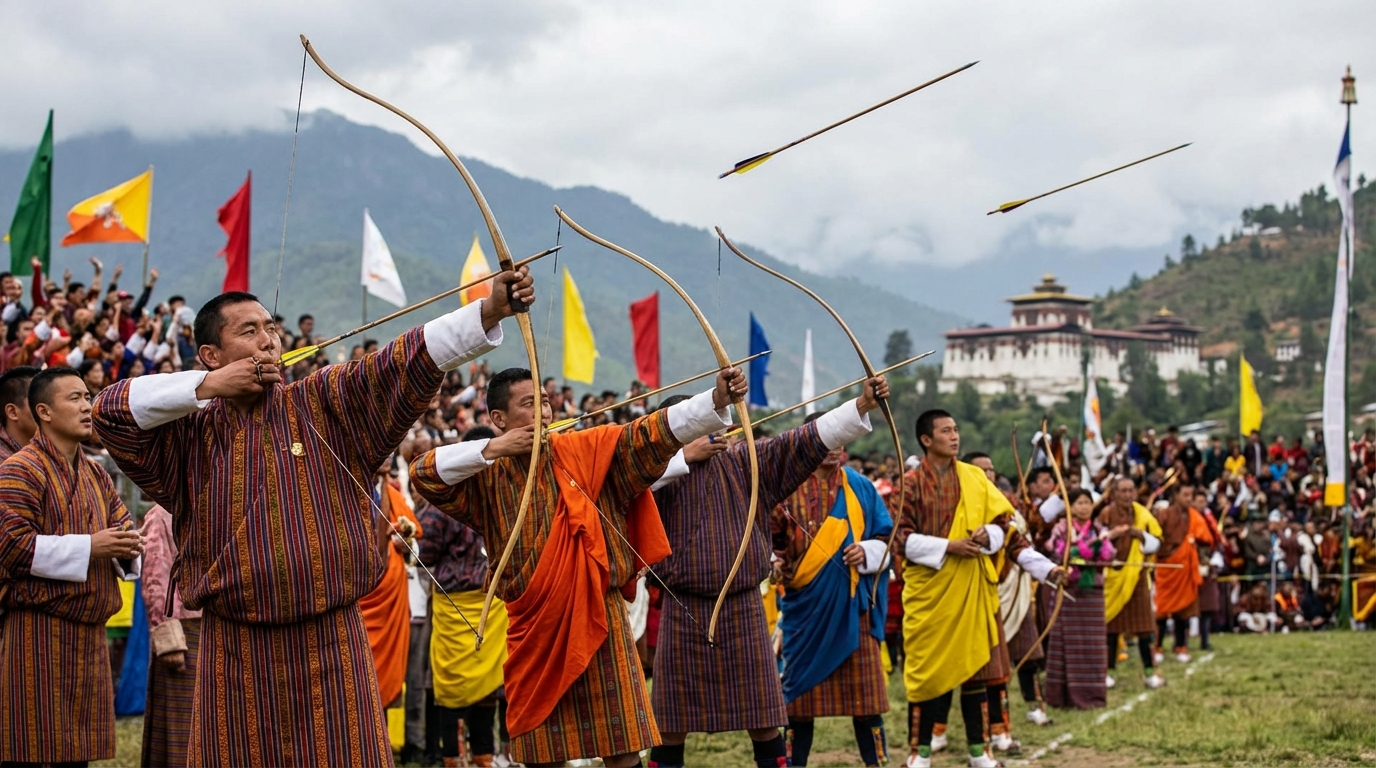
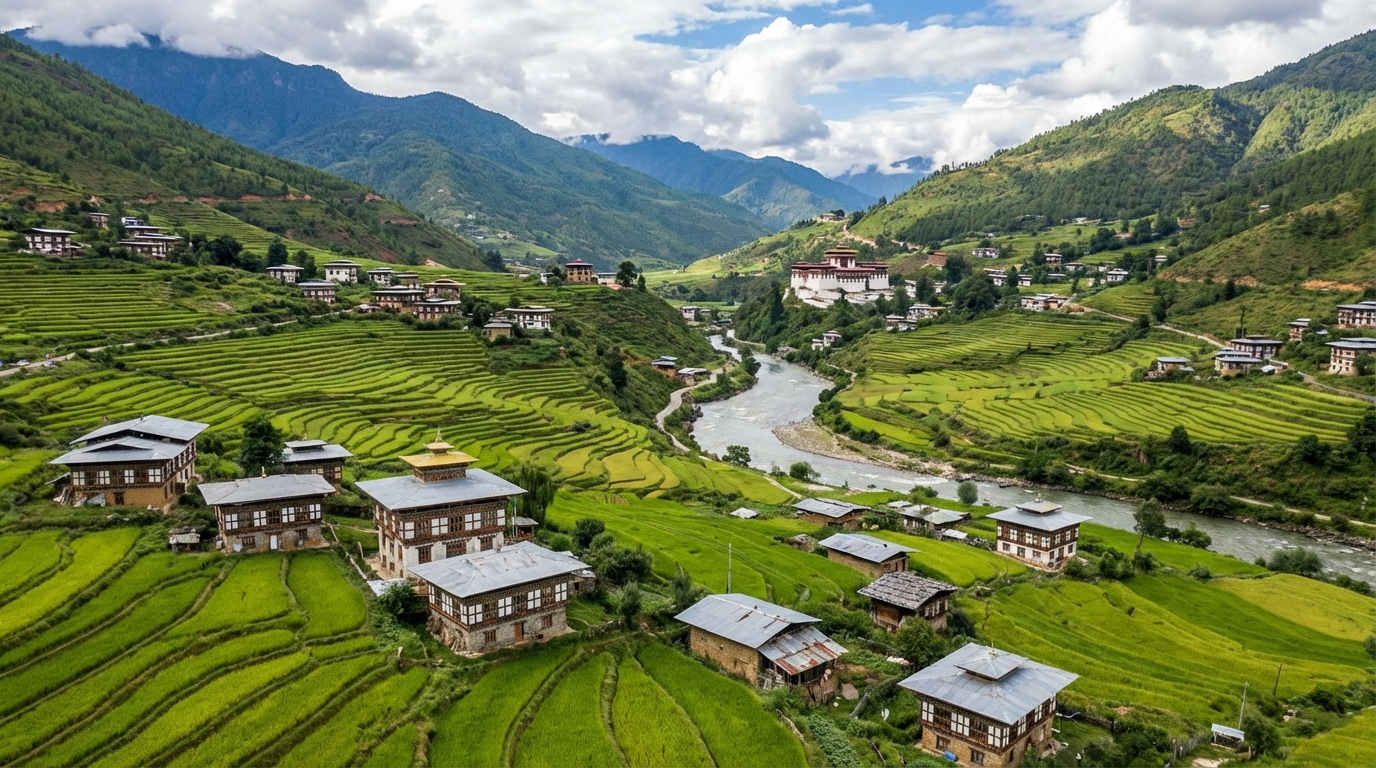
Experiencing Bhutan means immersing yourself in a world that exists nowhere else in this form. The small Himalayan kingdom has preserved its traditions while carefully forging its own path into modernity. Here, centuries-old monasteries blend with living spirituality, pristine mountain landscapes with warm-hearted hospitality. Those who wish to discover Bhutan will find a country that has not opened itself to mass tourism, but consciously embraces sustainable travel.

On this page, we have compiled all experience categories for you – from challenging treks through remote high valleys to colorful festivals, from spiritual moments in quiet monasteries to culinary discoveries. Choose what appeals to you most.

Bhutan's Absolute Highlights

These places and experiences should not be missed on any Bhutan journey

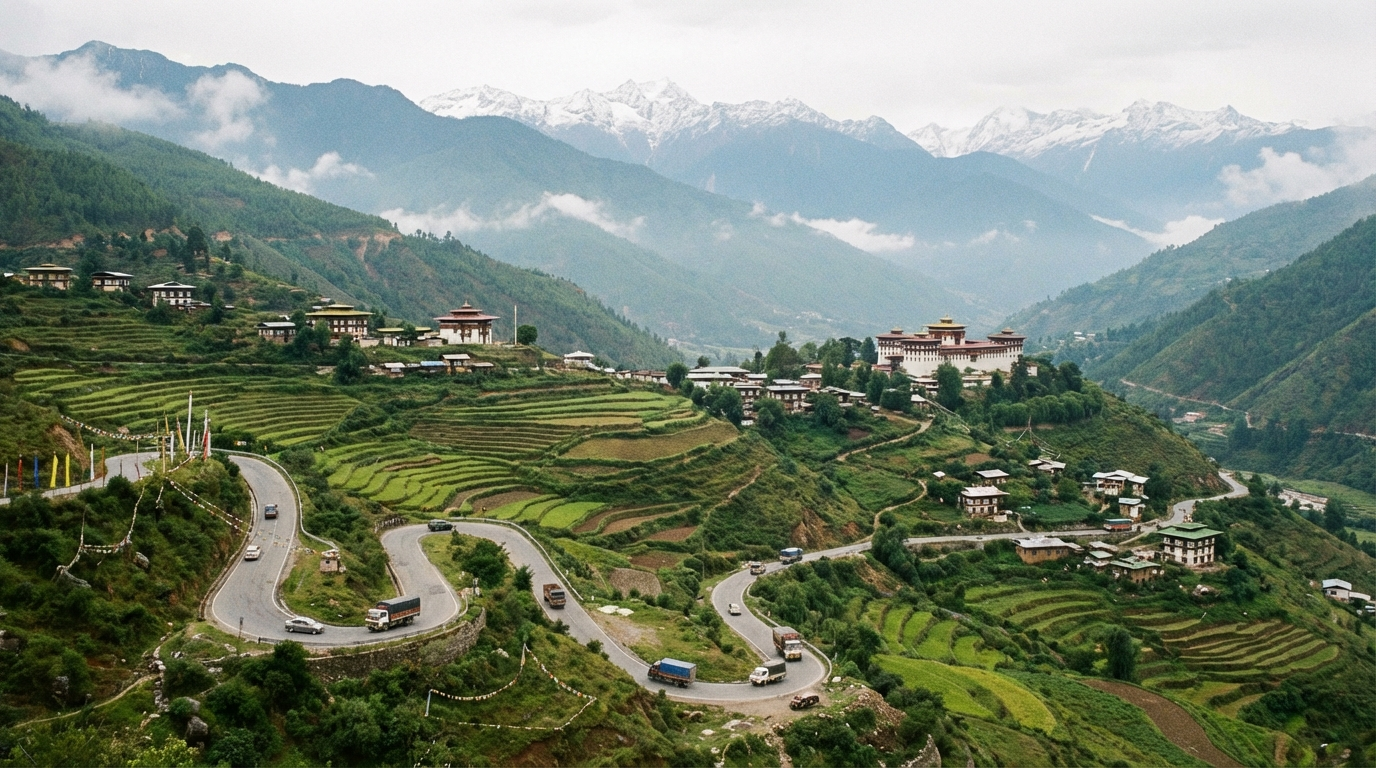
Tiger's Nest, Punakha Dzong, and the Tshechu festivals embody what Bhutan is all about: deep spirituality, impressive architecture, and living traditions. These three highlights often form the core of a Bhutan journey – yet the kingdom has much more to offer. Discover the full diversity of Bhutanese experiences in the categories below.

Ways to Experience Bhutan

Choose your category and discover what the Himalayan kingdom has to offer

The 10 Most Beautiful Attractions in Bhutan

This overview summarizes the absolute highlights that Bhutan travelers find most captivating. In the categories above, you will find detailed information about each attraction and practical planning tips.

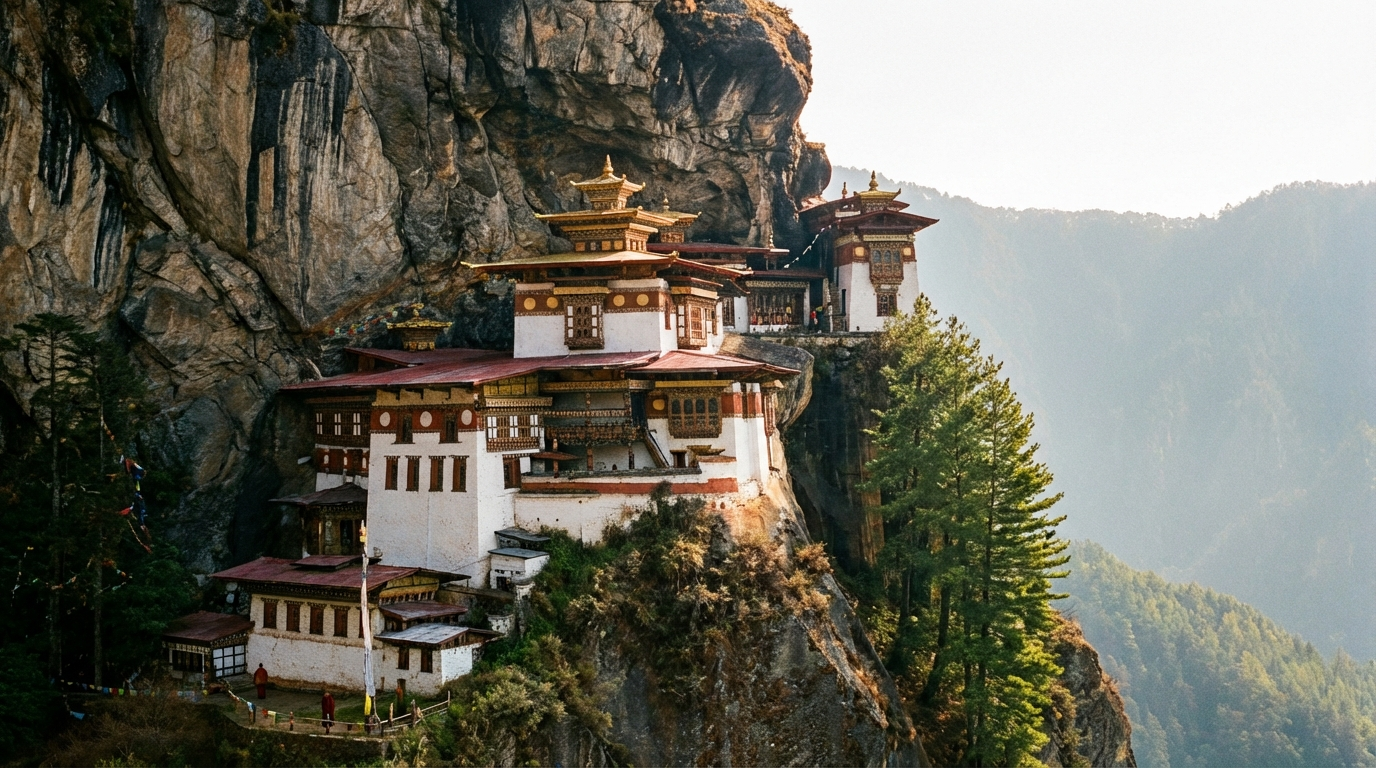
  1. Tiger's Nest (Paro Taktsang)

    Bhutan's most famous monastery clings to a 900-meter-high cliff face above the Paro Valley. The ascent takes about three hours and rewards with one of Asia's most impressive sights. Learn more on our Paro page.

  2. Punakha Dzong

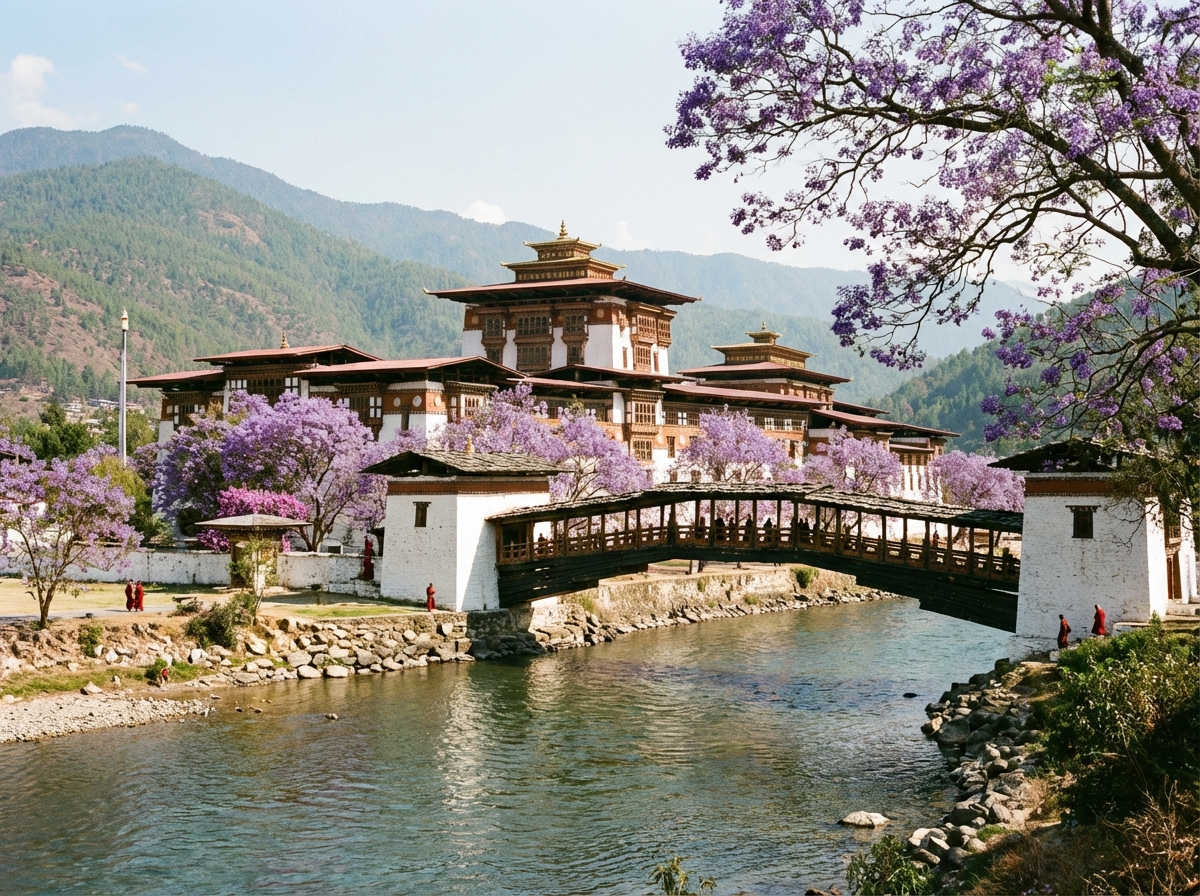
    The "Palace of Great Happiness" lies at the picturesque confluence of the Mo Chhu and Pho Chhu rivers. In spring, blooming jacaranda trees transform the surroundings into a sea of purple blossoms. Details can be found under Punakha.

  3. Thimphu – The Capital

    Bhutan's capital is the only one in the world without traffic lights. The 51-meter-tall Buddha Dordenma overlooks the city, while the Tashichho Dzong serves as the seat of government. Discover Thimphu in detail.

  4. Dochula Pass

    At 3,100 meters altitude, 108 chortens stand before the panorama of snow-capped Himalayan peaks. On clear days, the view extends to Gangkhar Puensum, the world's highest unclimbed mountain. A popular stop between Thimphu and Punakha.

  5. Bumthang Valley

    The spiritual heart of Bhutan consists of four interconnected valleys. Here stand the country's oldest temples, including the Jambay Lhakhang from the 7th century. More under Bumthang.

  6. Phobjikha Valley

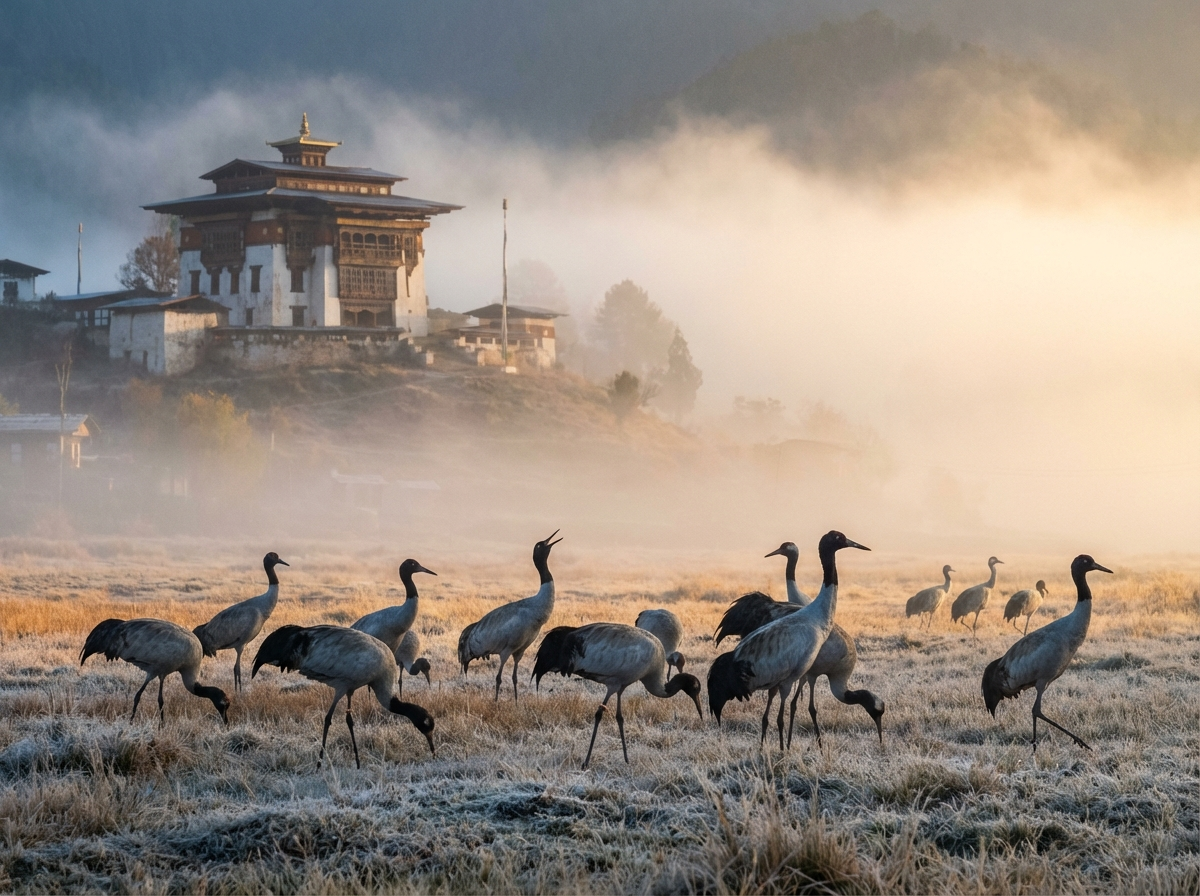
    Every winter, the rare black-necked cranes that breed in Tibet land here. The wide glacial valley offers wonderful hiking and the atmospheric Gangtey Monastery. All information under Phobjikha Valley.

  7. Trongsa Dzong

    Bhutan's largest Dzong perches strategically above the Mangde Chhu and once controlled all east-west traffic. The adjacent Ta Dzong houses a notable museum on royal history. Details on the Trongsa page.

  8. Tshechu Festivals

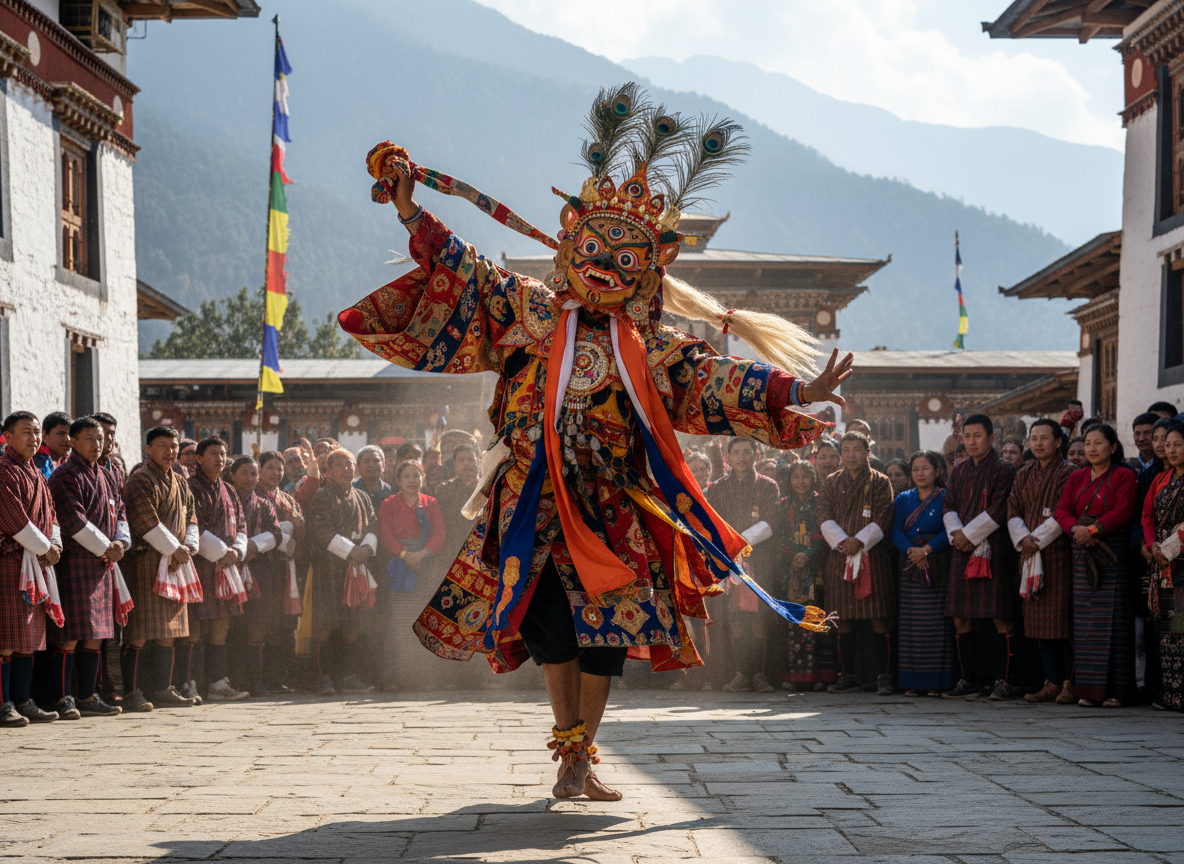
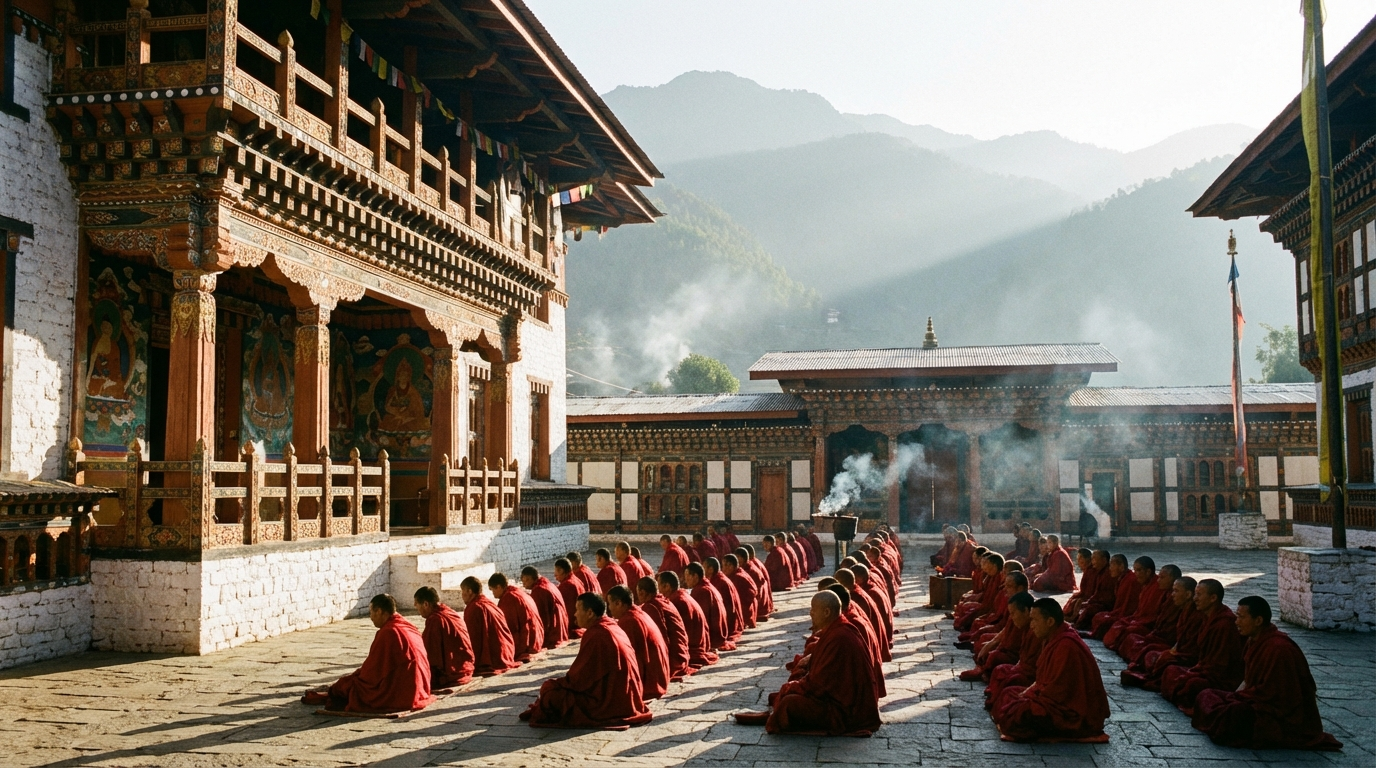
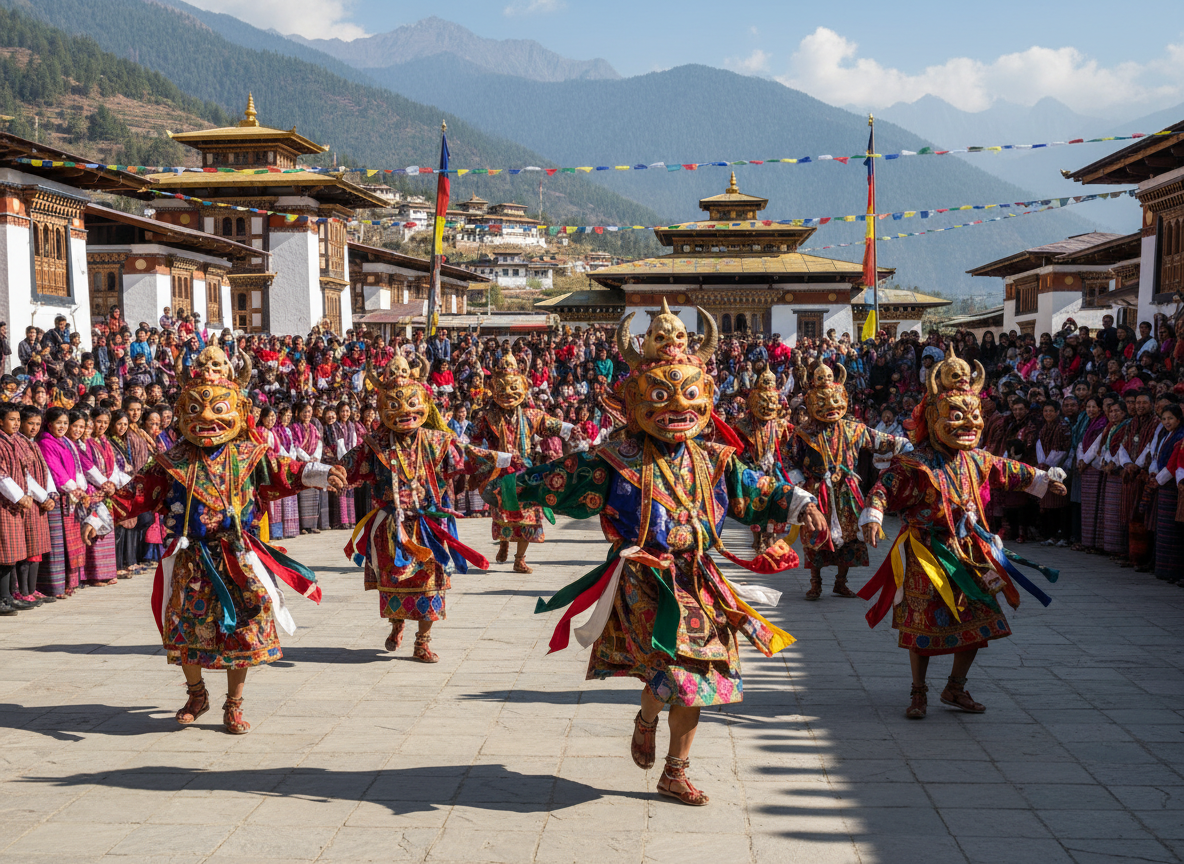
    The religious festivals with their colorful mask dances are among Bhutan's most intense cultural experiences. Paro celebrates in spring, Thimphu in autumn – plan your trip accordingly. More under Festivals.

  9. Chele La Pass

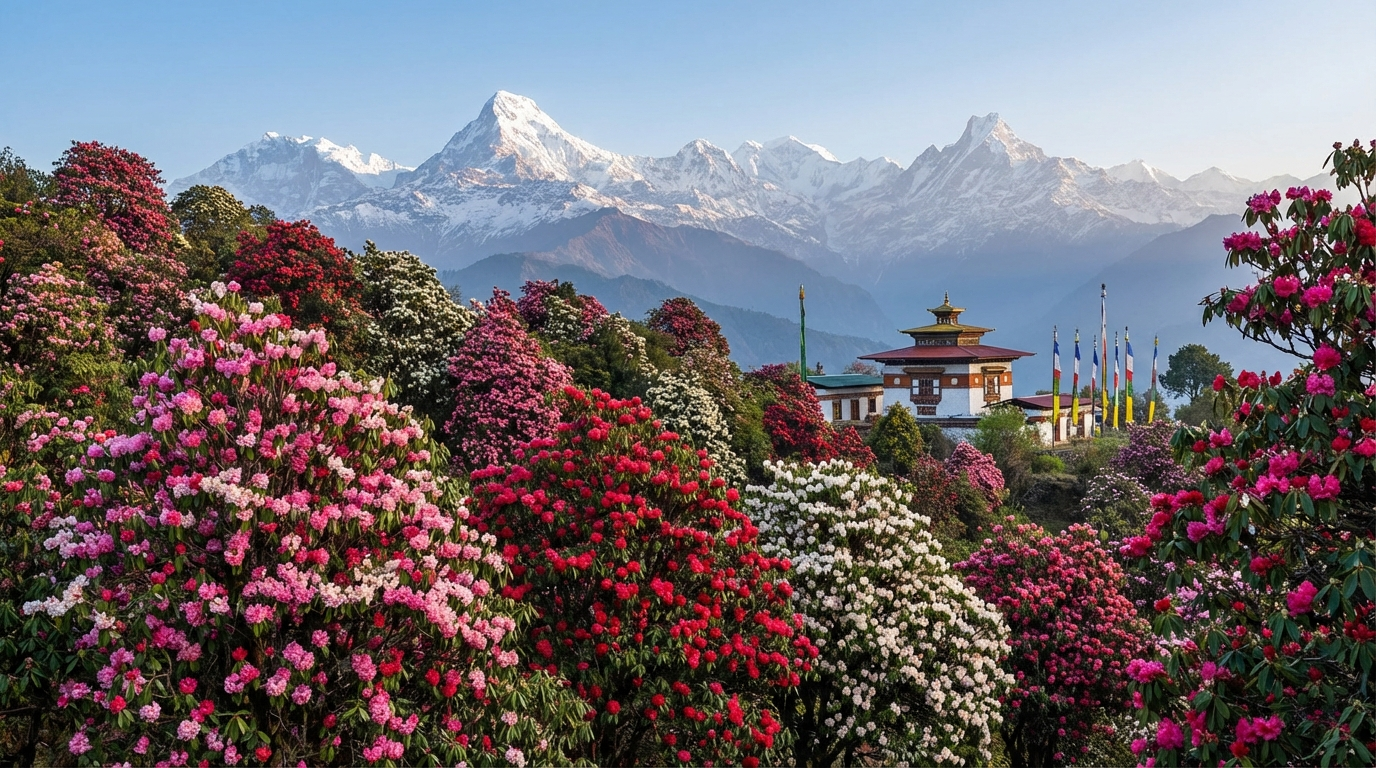
    At 3,988 meters, Chele La is Bhutan's highest motorable pass. In spring, countless rhododendrons bloom here, and on clear days, the sacred Mount Jhomolhari appears on the horizon.

  10. Jigme Dorji National Park

    Bhutan's largest national park spans 4,300 square kilometers of pristine wilderness. Here live snow leopards, takins, and over 300 bird species. A destination for nature lovers off the beaten path.

When Is the Best Time for Each Experience?

Bhutan can be visited year-round, but some experiences have their ideal season. This overview helps you plan – depending on what interests you most.

Best Travel Time by Activity
Activity Best Time Note
Trekking March to May, September to November Clear views and pleasant temperatures on the passes
Festivals Spring and Autumn Paro Tshechu in March/April, Thimphu Tshechu in September
Birdwatching November to February Black-necked cranes winter in Phobjikha Valley
Cultural Tours Year-round Dzongs and monasteries are always accessible
Photography October to November, March to April Clearest views of Himalayan peaks, rhododendron bloom

Detailed information about weather, climate, and the optimal travel time for your interests can be found on our Best Time to Visit page.

Unique Experiences Found Only Here

Bhutan surprises with activities you won't find anywhere else

Good to Know for Your Experiences

Bhutan works differently than other travel destinations. There are a few particularities you should know so your planning goes smoothly and you don't encounter surprises on the ground.

How should I behave during temple visits?

Wear respectful clothing that covers shoulders and knees. At the entrance, remove your shoes and any headwear. Always circumambulate religious objects clockwise. Photography is only permitted outside in many temples – your guide will inform you on site. More on our Dress Code and Etiquette page.

Am I allowed to fly drones in Bhutan?

Drones are strictly prohibited in Bhutan. There are no exemptions for tourists, and violations are taken seriously. Bring a good camera instead – the photo opportunities are spectacular. Details under Photography and Drones.

What fitness level do I need for hiking?

For the Tiger's Nest hike, average fitness is sufficient – the path is well-maintained, and you can take your time. Multi-day treks, however, require good stamina and mountain hiking experience. Also consider the altitude: even in the valleys, you are often above 2,000 meters. More under Trekking and Health.

Can I visit festivals spontaneously?

Tshechu festivals follow the Tibetan lunar calendar and have fixed dates that vary slightly each year. Spontaneous visits are difficult as hotels in festival towns book up quickly. Plan your trip early around a festival – the effort is worth it. All dates can be found under Festivals and Tshechus.

Bhutan's Highlights on the Map

Where are the most beautiful attractions located?

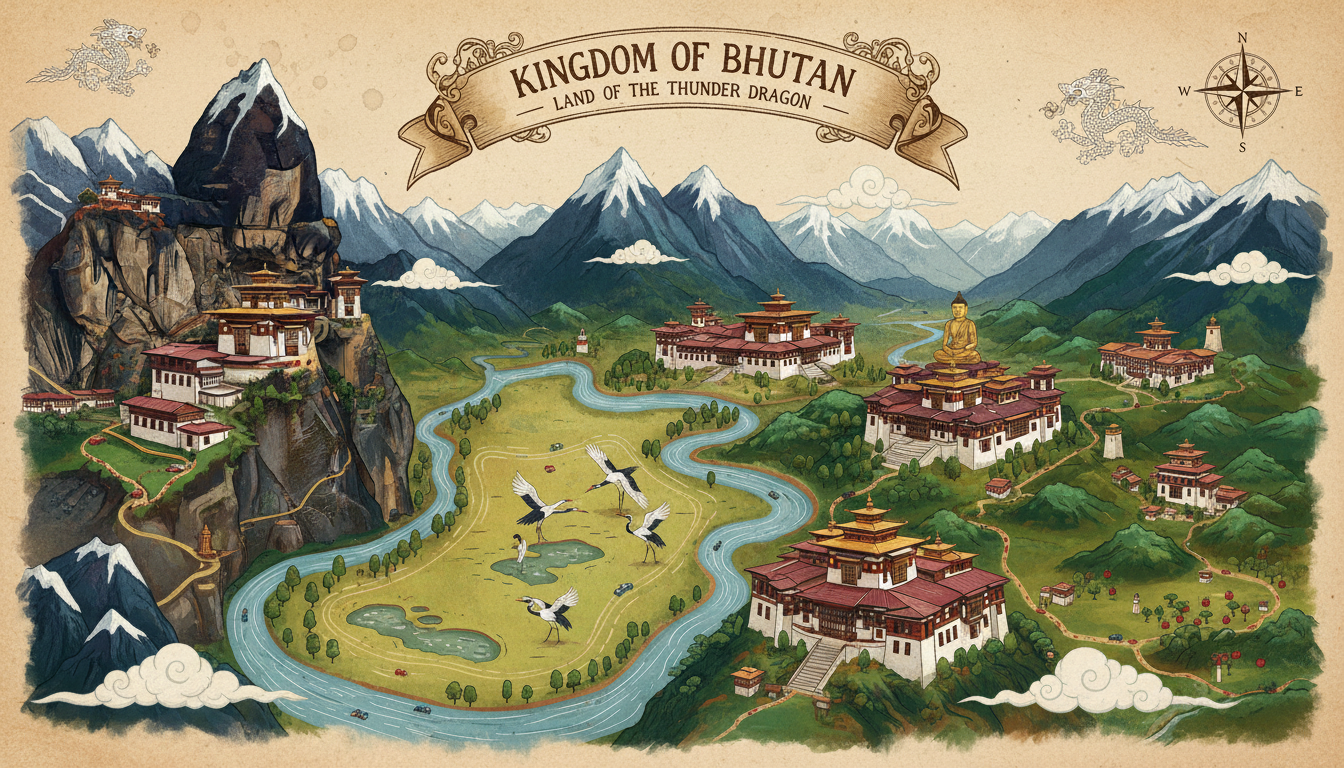
Illustrated map of Bhutan with marked top attractions: Tiger's Nest near Paro, Punakha Dzong, Thimphu, Phobjikha Valley with cranes, Bumthang, and Trongsa Dzong
Bhutan's most important attractions at a glance – from Paro in the west to the spiritual heart in Bumthang

Explore our detailed region descriptions for optimal route planning. There you will find all information about getting there, accommodations, and local highlights.

Plan Your Bhutan Journey

This information will help you with your preparation

Ready for Unforgettable Experiences?

Let our Bhutan experts advise you personally. Together, we will design your individual journey to the Kingdom of Happiness.