Plan Your Bhutan Trip 2026: The Complete Planning Guide
Last updated:
A trip to Bhutan is unlike any other journey. The Himalayan kingdom has consciously chosen sustainable tourism – with a system of visa requirements and daily fees that initially raises many questions. On this page, you will find all the information you need to plan your Bhutan trip systematically: from entry requirements to costs to the best time to visit.
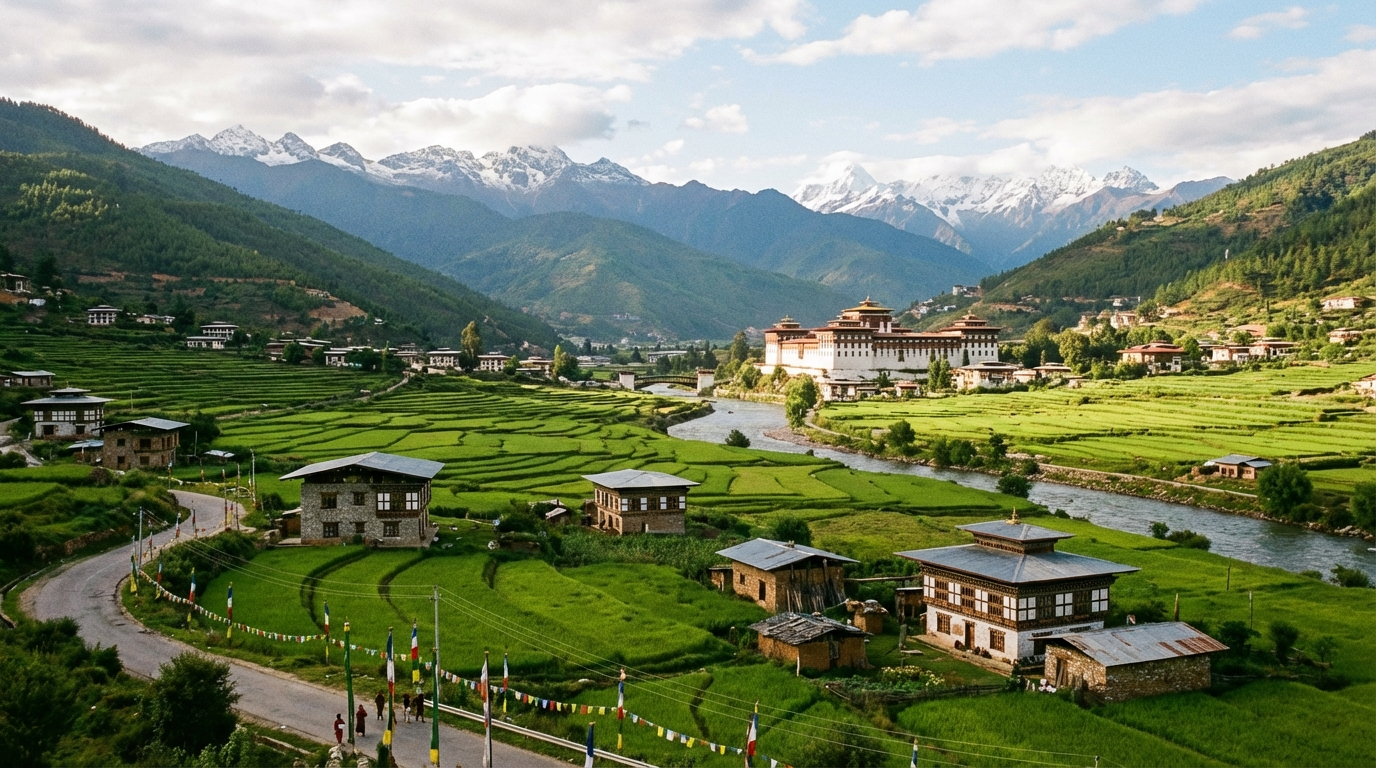
This image was generated with AI.
Key Facts at a Glance
These unique requirements make Bhutan a one-of-a-kind destination, but they also require careful planning. In the following sections and linked detail pages, you will find all the information you need to make an informed decision.
Is Bhutan the Right Destination for Me?
Bhutan captivates through its uniqueness, but it is not the ideal destination for every type of traveler. The following points will help you assess whether a Bhutan trip matches your expectations.
Bhutan is ideal for...
- Culture enthusiasts: Discover living Buddhism, traditional architecture, and festivals that have been celebrated for centuries.
- Nature lovers: Pristine mountain landscapes, dense forests, and fascinating flora and fauna await you.
- Hikers and trekking enthusiasts: From day hikes to Tiger's Nest to challenging multi-day treks through the Himalayas.
- Photographers: Spectacular landscapes, colorful festivals, and impressive Dzongs offer endless subjects.
- Quality-conscious travelers: Those who prefer exclusive experiences over mass tourism destinations will find what they're looking for here.
- Eco-conscious tourists: With your trip, you actively contribute to Bhutan's sustainable tourism model.
- Spiritual seekers: Experience tranquility, meditation, and Buddhist wisdom in an authentic setting.
Bhutan is less suitable for...
- Budget backpackers: The SDF makes Bhutan one of the more expensive destinations in Asia.
- Spontaneous travelers: The visa requires several weeks of lead time – last-minute trips are difficult.
- Complete independence: The guide requirement outside main towns limits free exploration.
- Nightlife seekers: Bhutan has no party scene, and alcohol consumption is restricted.
- Beach vacations: Bhutan is a landlocked country with no ocean access.
- Luxury shopping: You won't find international brands or shopping malls here.
All Planning Aspects at a Glance
Planning a Bhutan trip involves several interconnected areas. Here you will find a summary of each topic – for all details, click on the respective detail page.
Visa & Entry
All international visitors need an e-visa, which is applied for through the official portal of the Department of Immigration. The visa fee is 40 USD per person. Processing takes 2-5 business days – we recommend applying at least 3 weeks before departure.
| Aspect | Details |
|---|---|
| Visa fee | 40 USD per person |
| Processing time | 2-5 business days |
| Maximum stay | 90 days |
| Passport validity | 6 months beyond travel dates |
SDF Fees (Sustainable Development Fee)
The Sustainable Development Fee is Bhutan's instrument for sustainable tourism. Currently, it is 100 USD per person per night (reduced from 200 USD until August 2027). The revenue funds environmental protection, free education, and healthcare. Children receive discounts: 50% for ages 6-11, free for under 6.
Costs & Budget
A 7-day Bhutan trip costs approximately 2,150-2,700 USD per person (excluding international flights). This amount comprises SDF, visa, and tour package. Tour packages include accommodation, meals, licensed guide, and transportation within Bhutan.
| Cost Type | Amount |
|---|---|
| SDF (7 nights) | 700 USD |
| Visa | 40 USD |
| Tour package (standard) | approx. 1,400-2,000 USD |
| Total (excluding flights) | approx. 2,150-2,750 USD |
Best Time to Visit
The best times to visit Bhutan are spring (March to May) and autumn (September to November). In spring, rhododendrons bloom in spectacular colors; in autumn, clear mountain air offers breathtaking views. The monsoon season from June to August brings heavy rainfall but is not impossible for travel.
Spring (March-May)
- Rhododendron blooms in full splendor
- Pleasant temperatures
- Major festivals: Paro Tshechu
Autumn (September-November)
- Best views of the Himalayas
- Ideal trekking conditions
- Thimphu Tshechu, Punakha Tshechu
Getting There & Flights
There are no direct flights to Bhutan from most countries. The most common connections route through Bangkok, Delhi, Kathmandu, or Singapore. Only two airlines fly to Bhutan: Drukair (national carrier) and Bhutan Airlines. Paro Airport is considered one of the most challenging in the world – a spectacular start to your adventure.
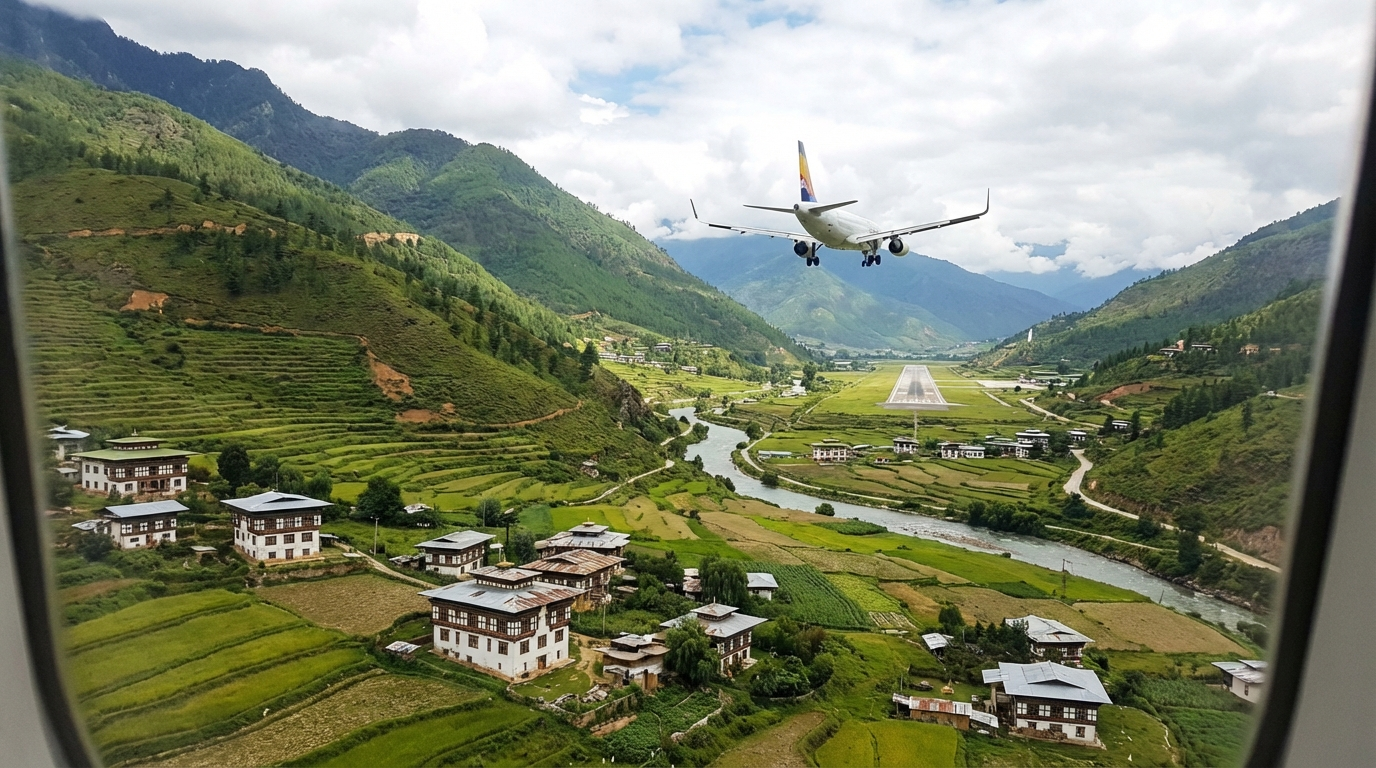
This image was generated with AI.
Additional Planning Topics
Beyond the core topics, there are other important aspects for your travel preparation. Here you will find an overview of all additional planning pages:
This image was generated with AI.
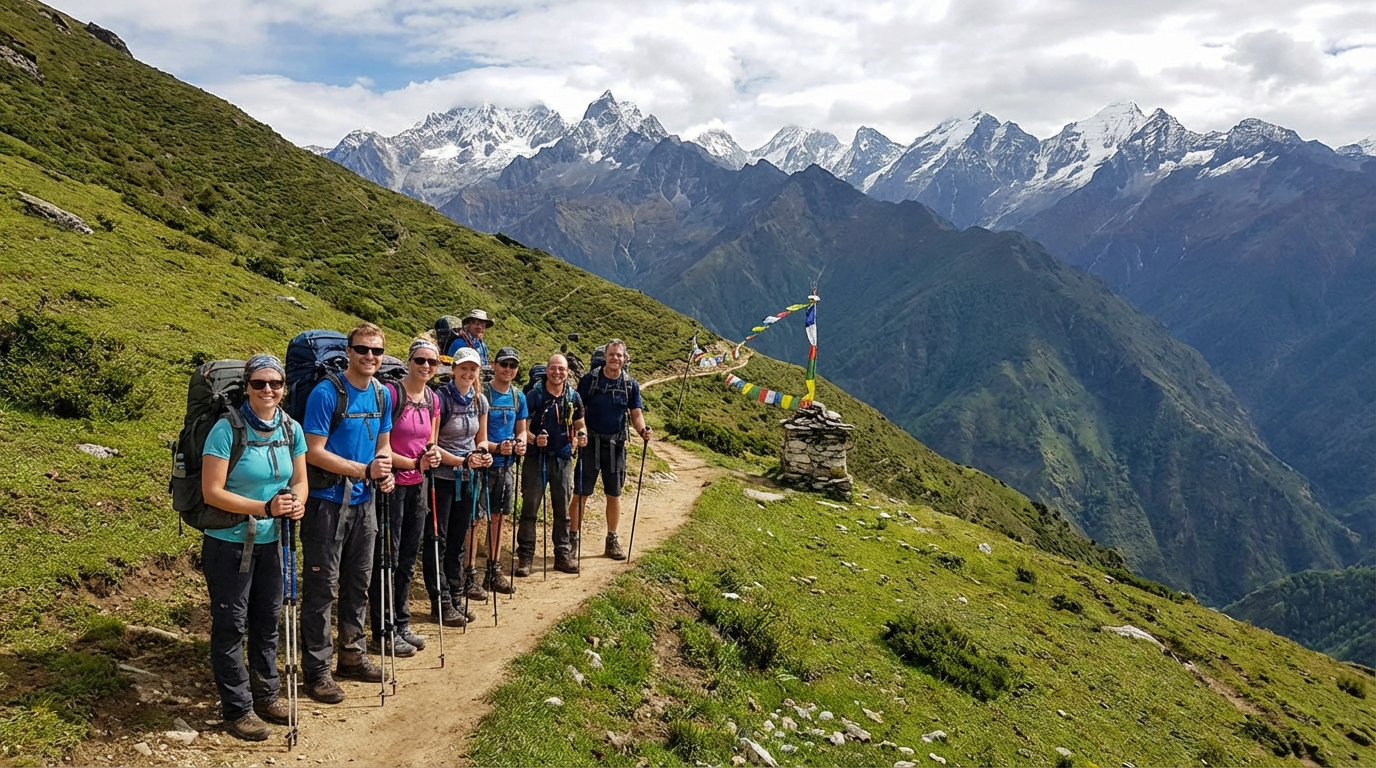
Packing List
What to pack – organized by season and activity.
This image was generated with AI.
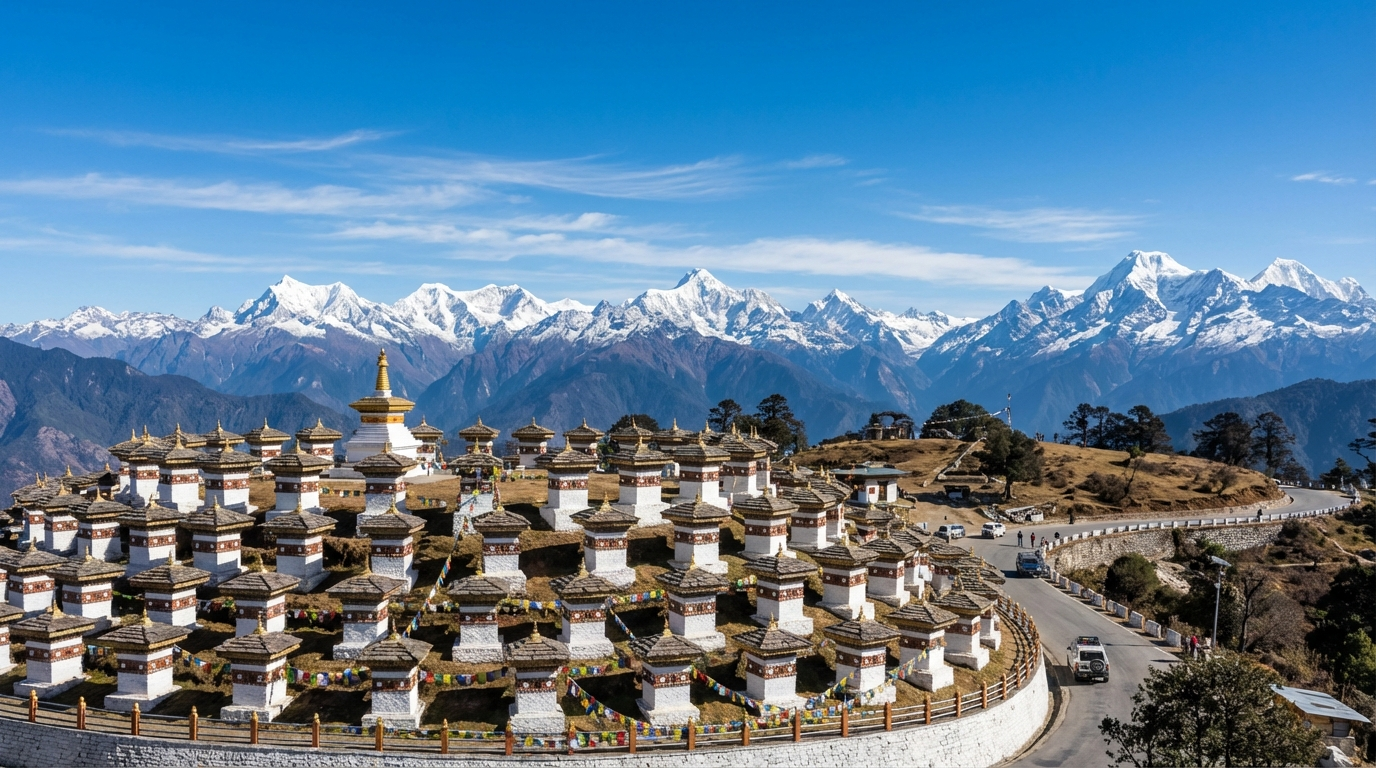
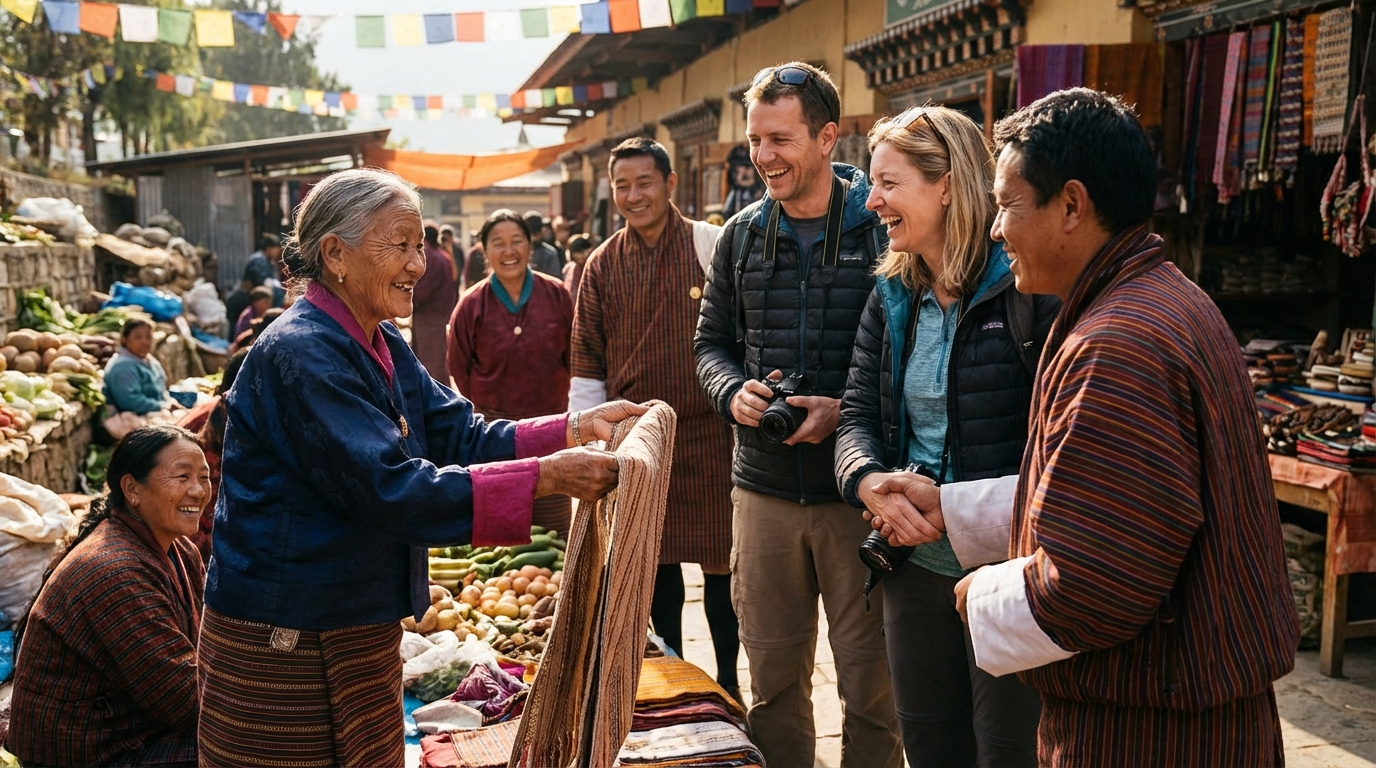
Health & Vaccinations
Recommended vaccinations, altitude sickness, and travel pharmacy.
This image was generated with AI.
Safety
Security situation, natural hazards, and tips for solo travelers.
This image was generated with AI.
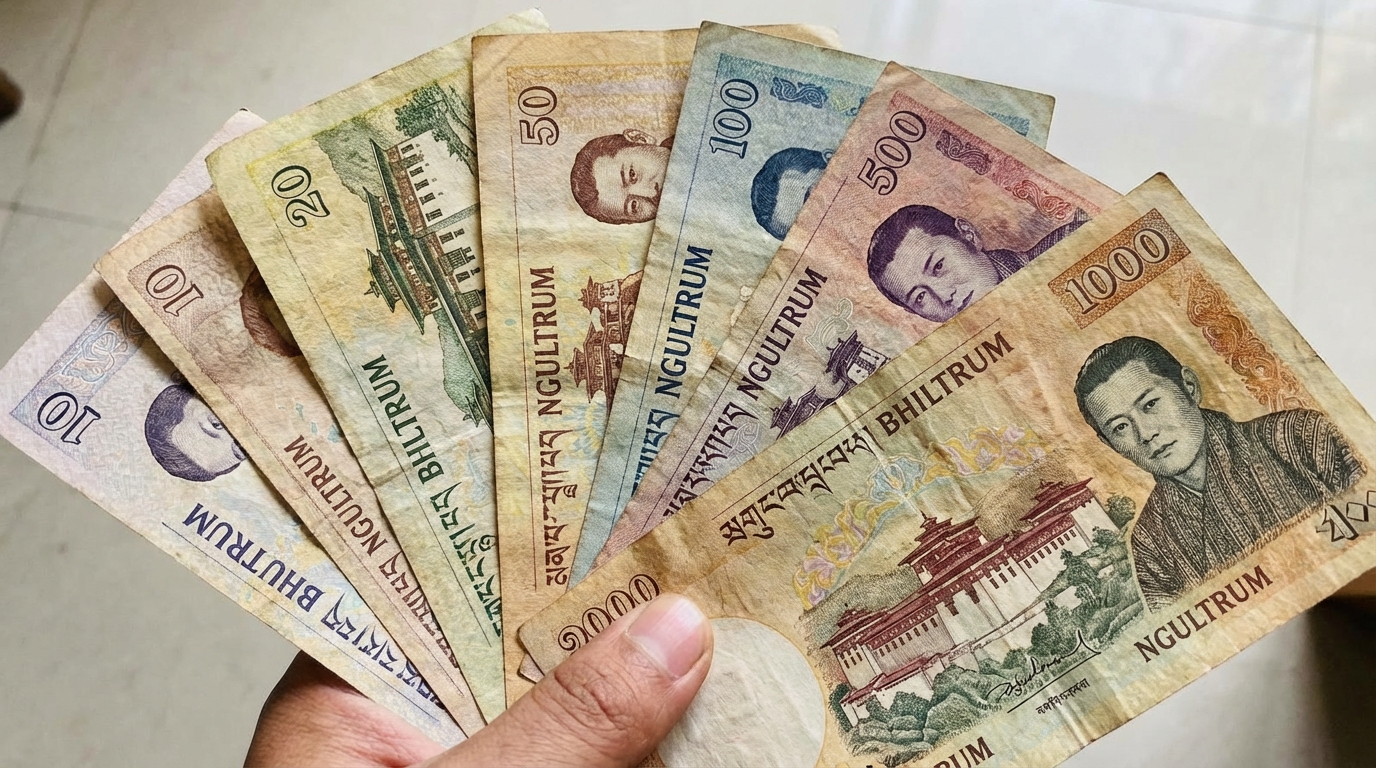
Money & Currency
Ngultrum, exchange rates, cash vs. credit card.
This image was generated with AI.
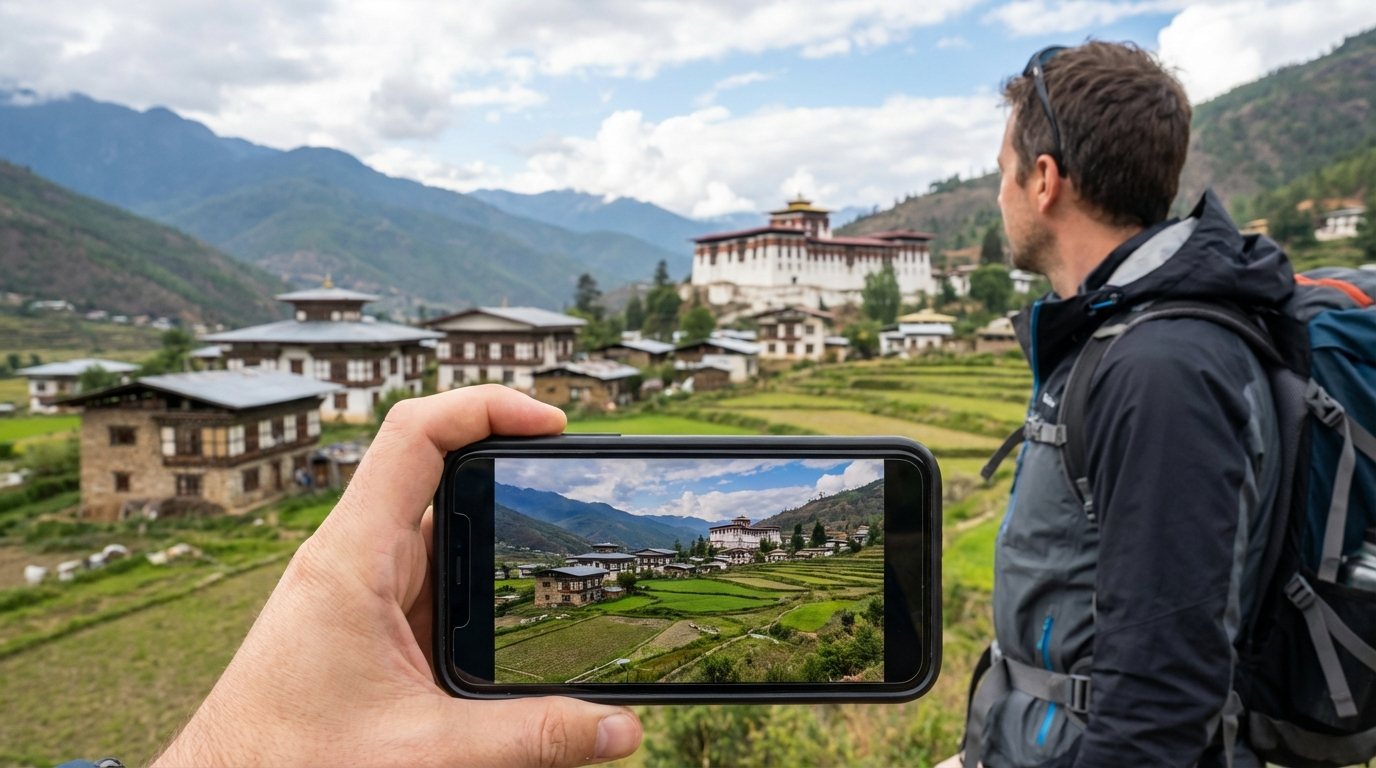
Internet & SIM
Mobile coverage, SIM cards, and eSIM options.
This image was generated with AI.
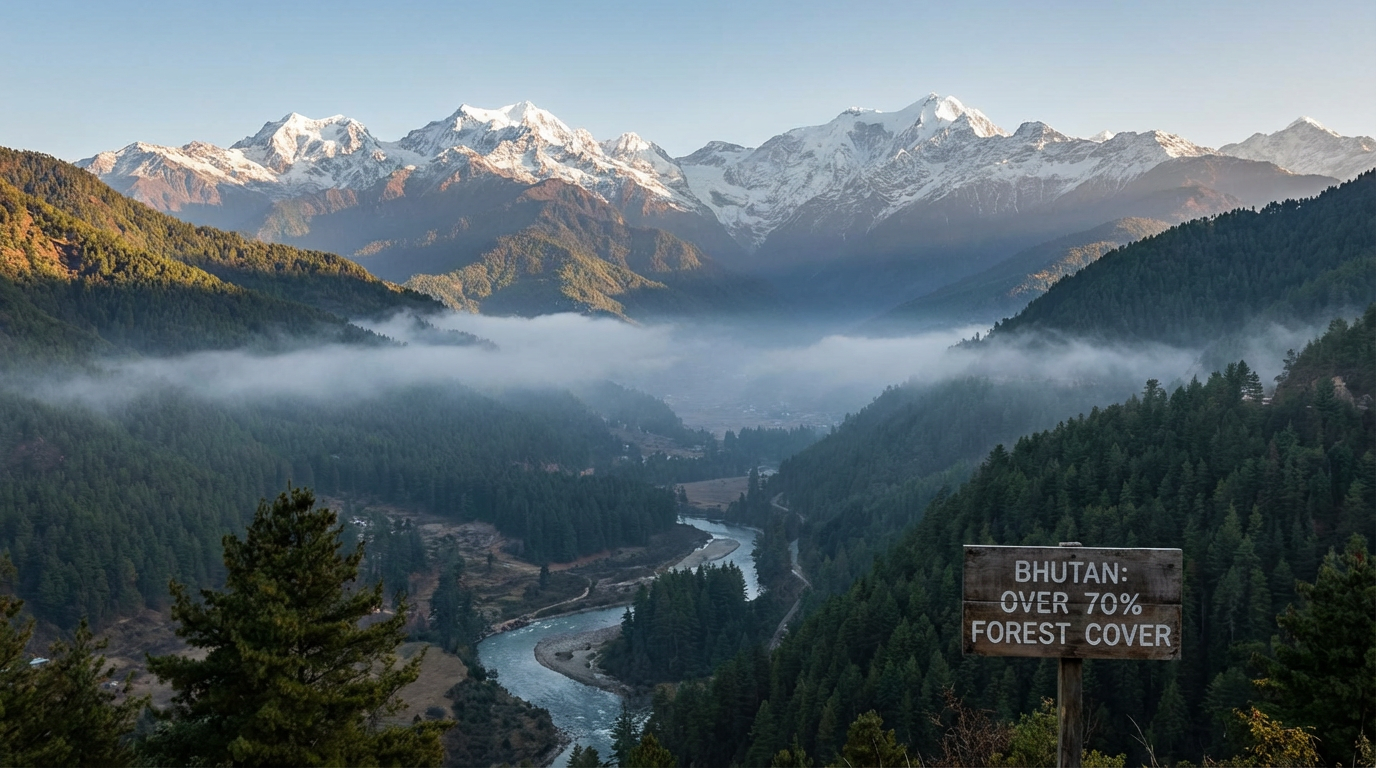
Sustainability
Bhutan's philosophy and how to travel responsibly.
Your Next Steps
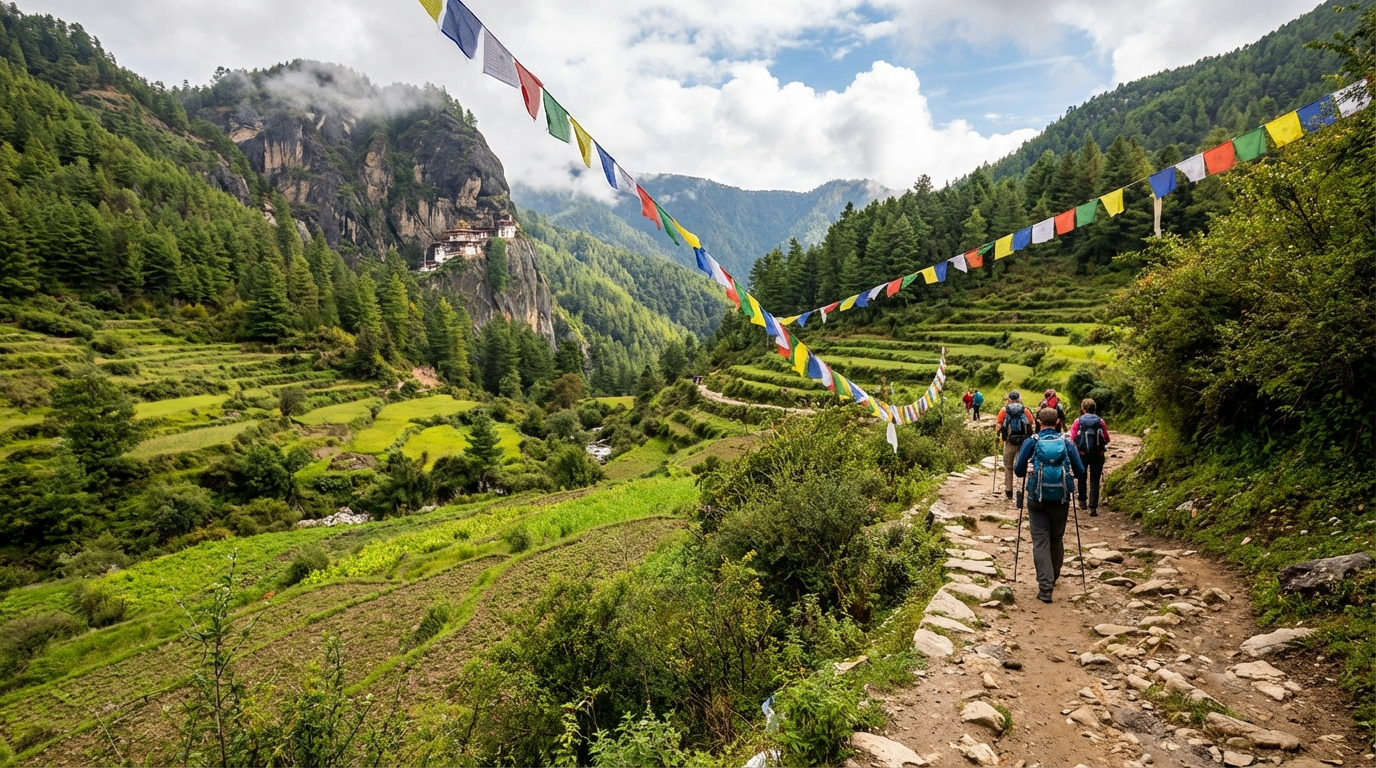
You now know the most important planning aspects for your Bhutan trip. The next step: Discover our route suggestions for various travel durations and interests – or get personal advice.
This image was generated with AI.
Discover Routes
From 7 days to 3 weeks: Find the perfect route for your Bhutan trip.
This image was generated with AI.
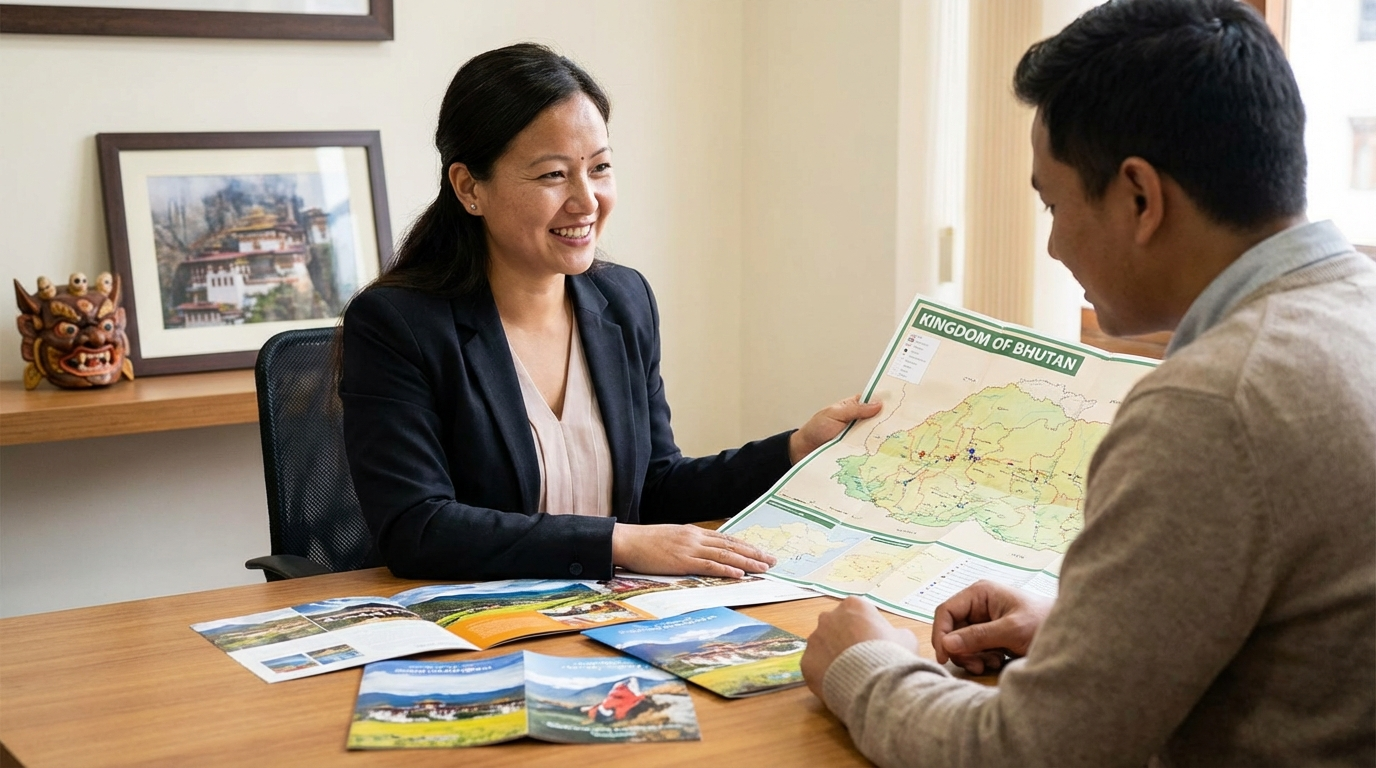
Personal Consultation
We'll help you with the individual planning of your dream trip to Bhutan.
Frequently Asked Questions About Planning a Bhutan Trip
How far in advance should I plan a Bhutan trip?
We recommend starting your planning at least 2-3 months before your intended travel date. The visa requires 2-5 business days processing time but should be applied for at least 3 weeks before departure. During peak season (March-May, September-November), earlier booking may be advisable.
Can I travel to Bhutan spontaneously?
Spontaneous travel to Bhutan is only possible to a limited extent. The visa must be applied for in advance, and the SDF must be paid before entry. A certain lead time is therefore unavoidable. With express processing, short-notice trips within 1-2 weeks are theoretically possible.
How expensive is a Bhutan trip really?
A 7-day Bhutan trip costs approximately 2,150-2,750 USD per person (excluding international flights). This amount comprises the SDF (700 USD for 7 nights), the visa fee (40 USD), and the tour package. The costs include accommodation, meals, guide, and transportation. Detailed breakdowns can be found on our costs page.
Do I need a guide for the entire trip?
No, not anymore. Since September 2022, you can move freely without a guide in Paro, Thimphu, and Punakha. For all other regions, Dzong visits, and trekking tours, a licensed guide remains mandatory. Most travelers still opt for a guide, as they provide valuable insights into culture and history.
When is the best time for a Bhutan trip?
The main seasons are spring (March to May) and autumn (September to November). Spring offers rhododendron blooms and mild temperatures; autumn brings clear views and ideal trekking conditions. The monsoon (June-August) brings rain but also green landscapes and fewer tourists. Winter is cold but sunny.
Is Bhutan safe as a travel destination?
Bhutan is considered one of the safest travel destinations in the world. The crime rate is extremely low, and tourists are treated with great hospitality. The main risks are natural hazards such as earthquakes and monsoon-related landslides, as well as winding mountain roads. Good travel insurance is still recommended.
Can I travel to Bhutan with children?
Yes, Bhutan is a family-friendly destination. Children under 6 are exempt from the SDF; children aged 6-11 pay 50%. Hikes and altitudes should be chosen appropriately for age. Many families report very positive experiences – Bhutanese culture is child-friendly.
What is the SDF and why do I have to pay it?
The Sustainable Development Fee (SDF) is a daily fee for tourists, currently 100 USD per night. Bhutan uses this revenue for environmental protection, free education, healthcare, and cultural preservation. The fee is part of Bhutan's "High Value, Low Volume" tourism philosophy, which protects the country from mass tourism.
Ready for Your Bhutan Trip?
We'll support you with planning and answer all your questions – no obligation and personally.