Birdwatching in Bhutan – Flora & Fauna in the Himalayas
Last updated:
A Nature Paradise for Birdwatchers
Bhutan unites stunning species diversity within an area smaller than Switzerland. Over 700 documented bird species – representing seven percent of all bird species worldwide – call this Kingdom home. More than 70 percent of Bhutan is forested, with a quarter of the land protected as nature reserves. Bhutan's constitution even mandates that at least 60 percent of the country remain forested forever – a commitment unique globally.
Bhutan offers ideal conditions for birdwatchers. Within a compact area, diverse climate zones stretch from subtropical lowlands to alpine heights exceeding 4,000 meters. This habitat diversity hosts species you cannot observe anywhere else in the world. The largely untouched forests and consistent conservation policies make every birding excursion an authentic nature experience.
The Black-Necked Crane – Bhutan's Sacred Bird
This image was generated with AI.
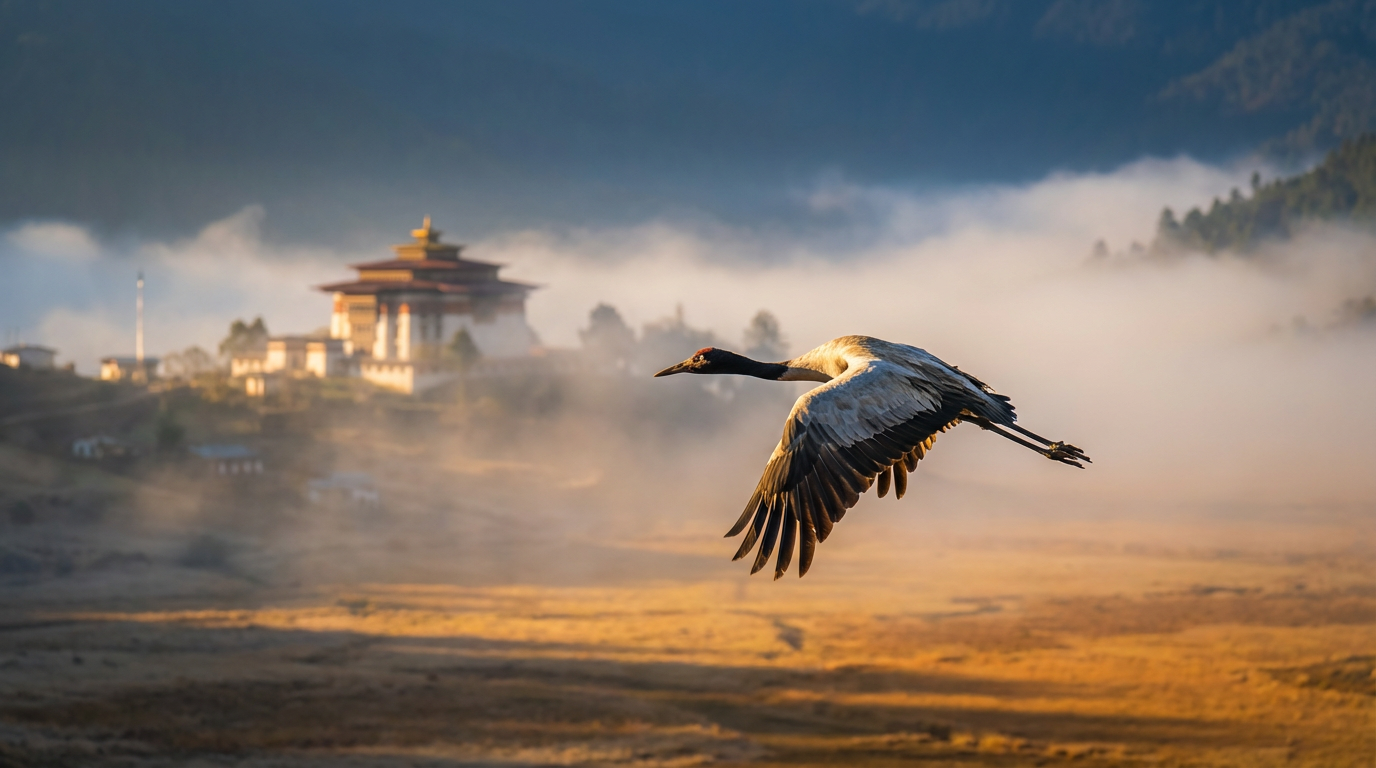
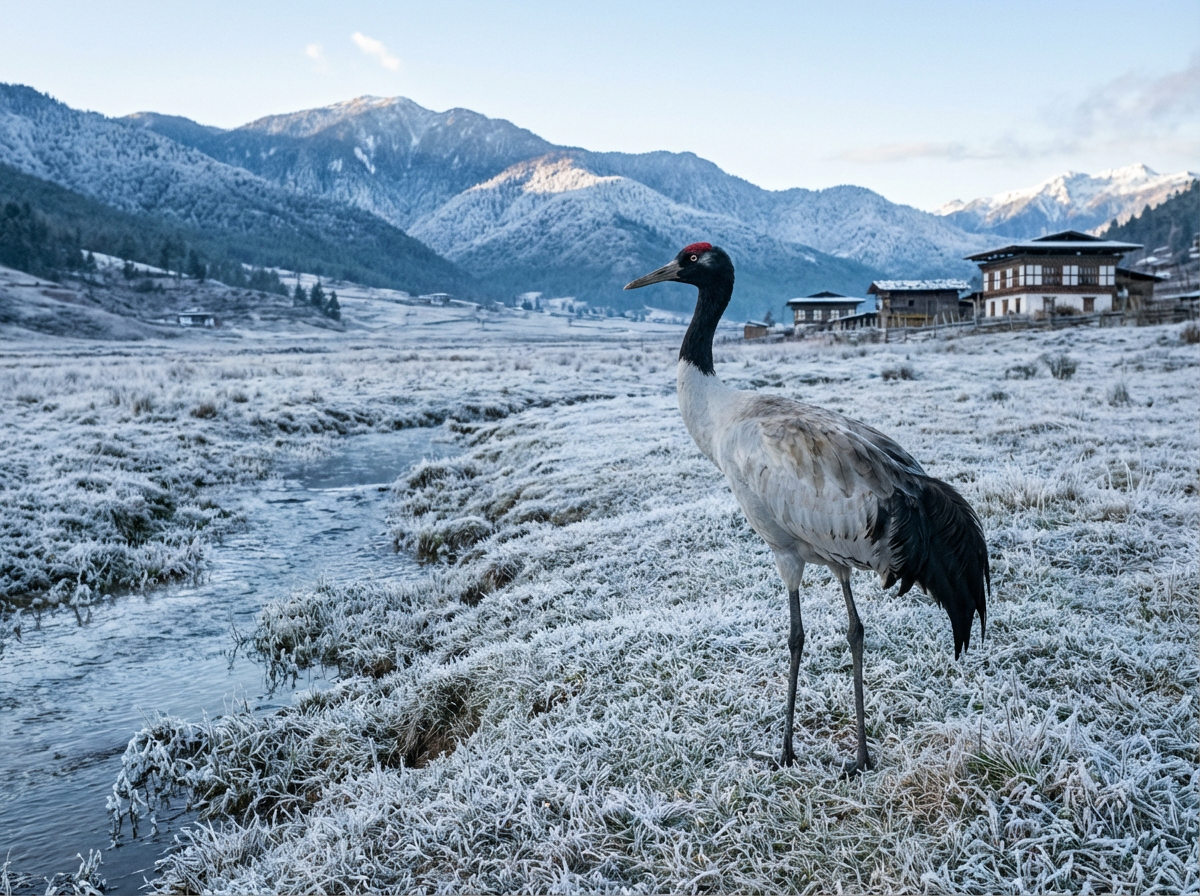
The Black-necked Crane (Grus nigricollis) is considered one of Bhutan's most sacred birds. These majestic creatures with their characteristic black necks and red crowns are classified as endangered by the International Union for Conservation of Nature. Over 600 of these elegant birds choose Bhutan as their winter refuge each year – a fact that makes the Kingdom one of the species' most important protection areas.
The Winter Home in Phobjikha Valley
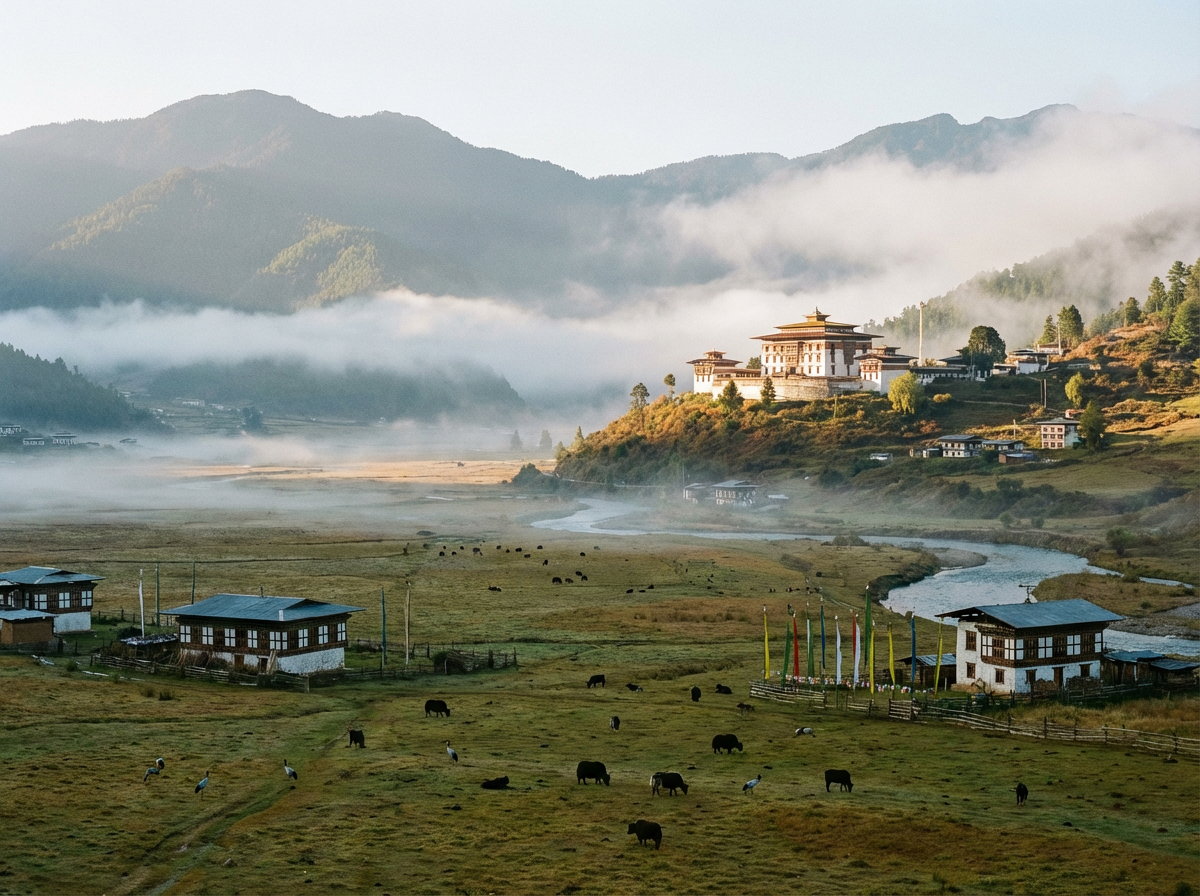
The Phobjikha Valley at approximately 3,000 meters elevation is Bhutan's most important winter refuge for black-necked cranes. The 163-square-kilometer Phobjikha Conservation Area, managed by the Royal Society for Protection of Nature (RSPN) since 2003, provides ideal conditions for the cranes: expansive wetland meadows, abundant food, and protection from disturbance.
A second significant winter home exists in Bomdeling Valley in Eastern Bhutan. Approximately 140 cranes winter there annually. This lesser-known valley offers an alternative for travelers seeking routes less frequently visited.
The Best Time for Crane Watching
Black-necked cranes arrive from their Tibetan breeding grounds in late October and stay until mid-February. The optimal viewing period is between November and January. Particularly moving is the ritual at arrival and departure: the cranes circle Gangtey Monastery three times before landing or departing northward. This spectacle, which locals interpret as a gesture of reverence, ranks among Bhutan's most unforgettable natural experiences.
The Best Regions for Birdwatching
Bhutan's elevations range from 200 to over 7,000 meters – from subtropical forests to alpine heights. Each climate zone supports distinct bird communities. This diversity enables observing dozens of different habitats and their avian inhabitants on a single journey.
 Cranes
 This image was generated with AI.
Phobjikha Valley
The famous winter refuge of black-necked cranes. The open wetlands and meadows also host numerous waders, songbirds, and raptors.
 Pheasants
 This image was generated with AI.
Thrumshingla National Park
Central Bhutan's most species-rich park stretches from 1,500 to 4,500 meters. It's home to tragopans, magnificent pheasants, and rare hornbills.
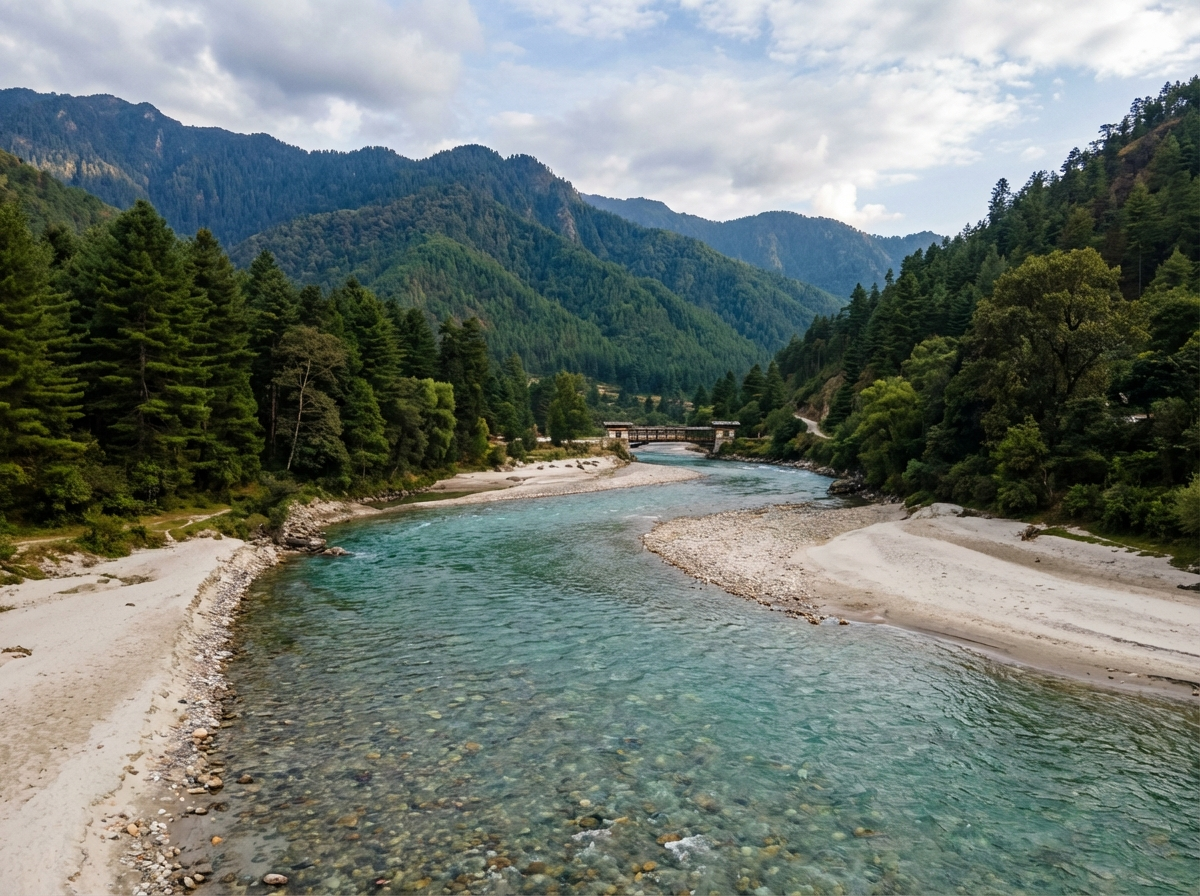 Premier Destination
 This image was generated with AI.
Bumdeling Wildlife Sanctuary
Located in northeastern Bhutan, this sanctuary unites multiple climate zones. In winter, black-necked cranes share the habitat with impressive species diversity.
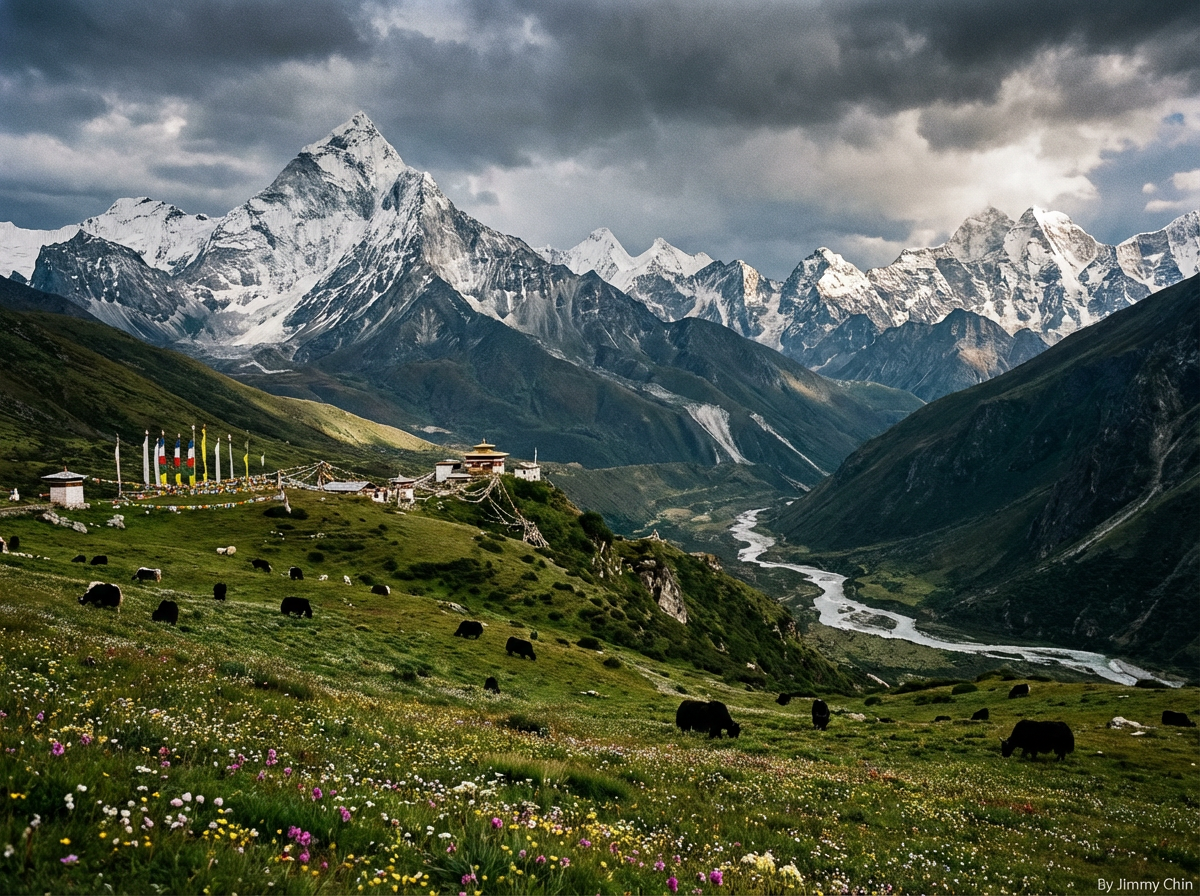 Largest Park
 This image was generated with AI.
Jigme Dorji National Park
Bhutan's largest national park encompasses 4,349 square kilometers – from warm deciduous forest to permanent ice. Over 100 mammal species and rich birdlife await here.
The Stars of Bhutan's Bird World
Certain bird species make Bhutan a dream destination for birders worldwide. Many of these spectacular birds are rarely or never observable elsewhere. An experienced local guide can significantly increase your chances of spotting these special species.
| Common Name | English Name | Special Features |
|---|---|---|
| Himalayan Monal | Himalayan Monal | Colorful ground-dweller, national bird of Nepal |
| Satyr Tragopan | Satyr Tragopan | Spectacular red-black coloring, rarely observed |
| Rufous-necked Hornbill | Rufous-necked Hornbill | One of the region's largest hornbill species |
| Fire-tailed Myzornis | Fire-tailed Myzornis | Brilliant green plumage, lives at high elevations |
| Ibisbill | Ibisbill | Unique curved bill, found on mountain streams |
| Beautiful Nuthatch | Beautiful Nuthatch | Colorful and rare, in misty forests |
| Ward's Trogon | Ward's Trogon | Magnificent pink-red coloring, very difficult to find |
| White-bellied Heron | White-bellied Heron | Extremely rare, only about 200 individuals worldwide |
Impressions from Bhutan's Bird World
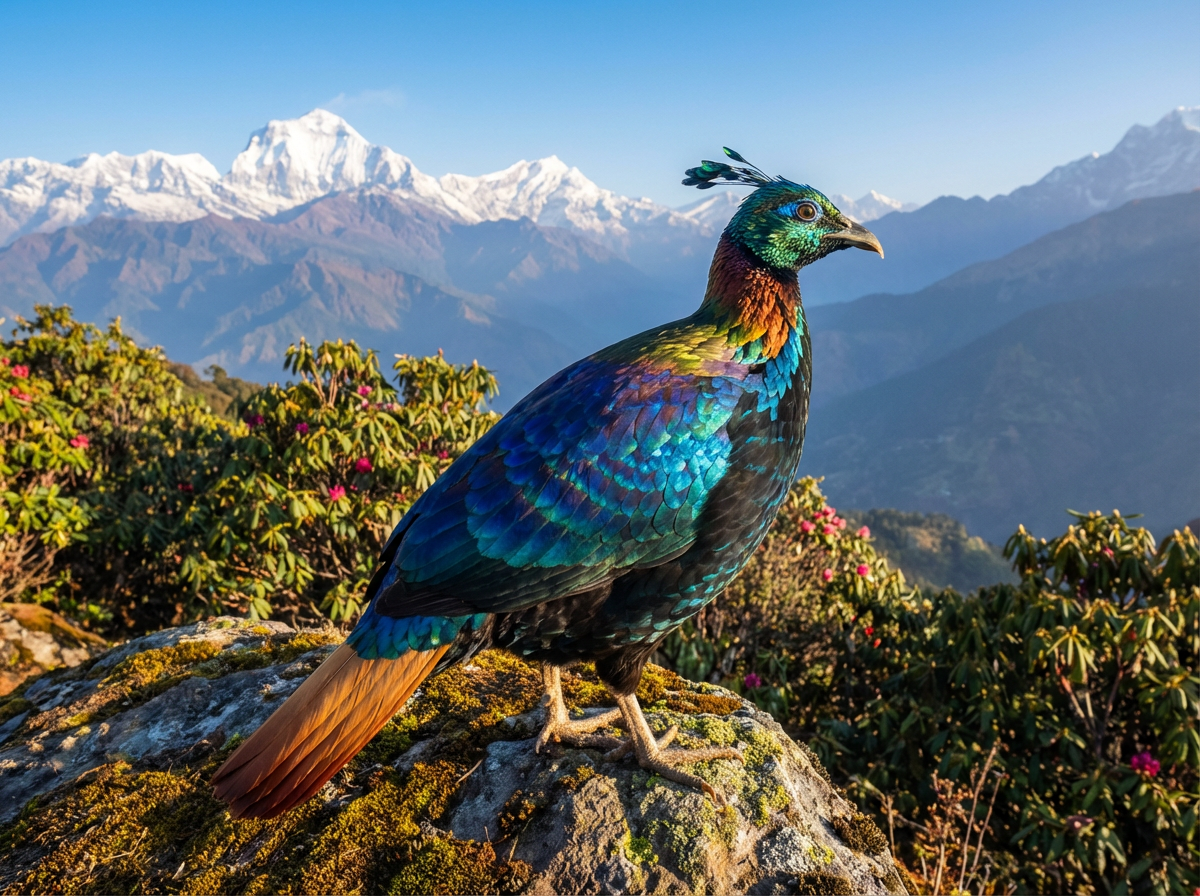
This image was generated with AI.
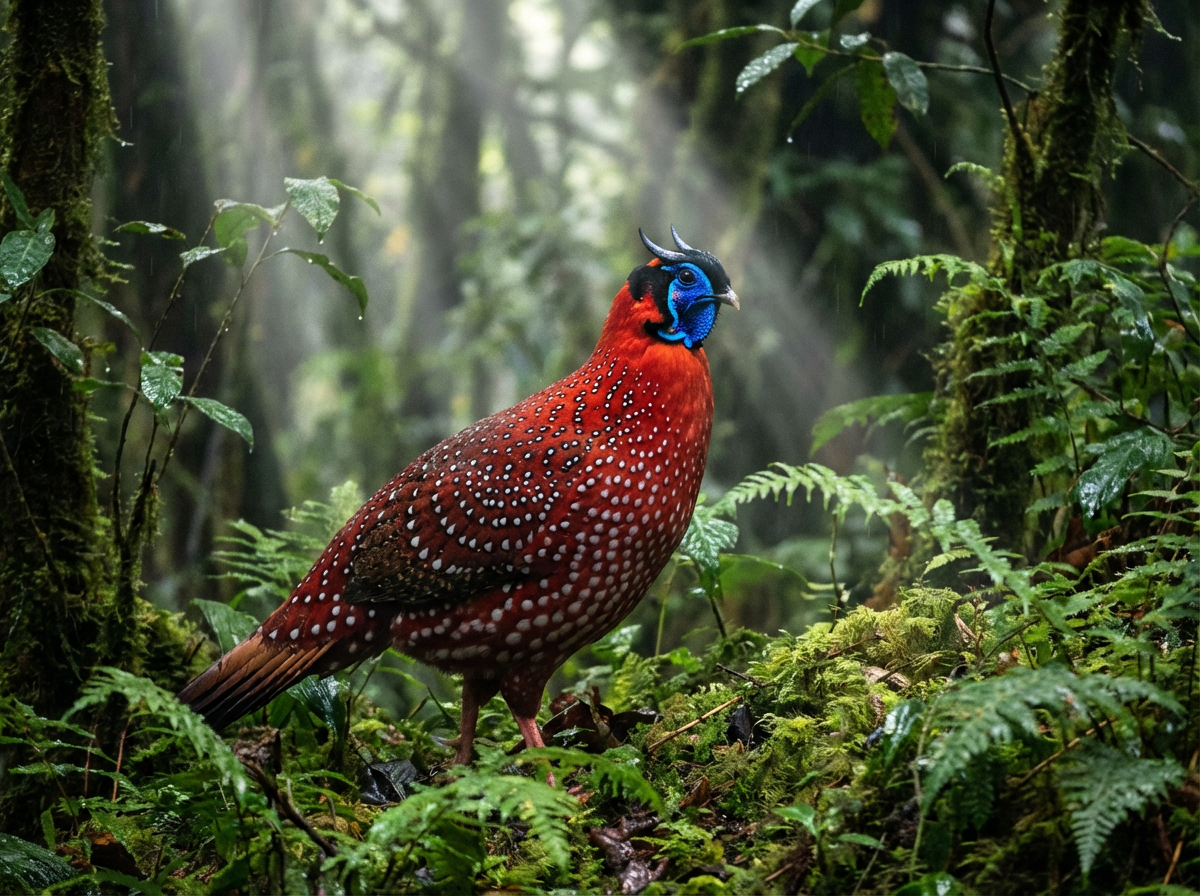
This image was generated with AI.
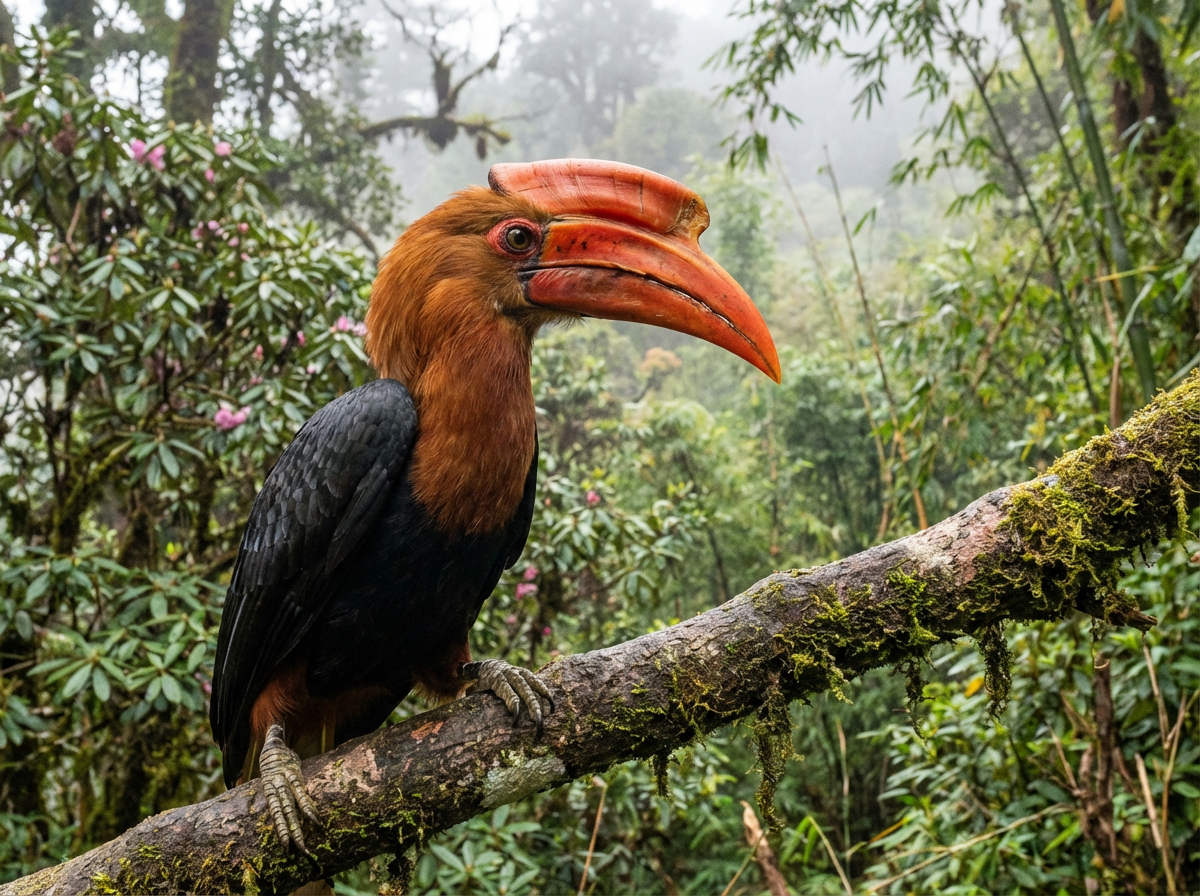
This image was generated with AI.
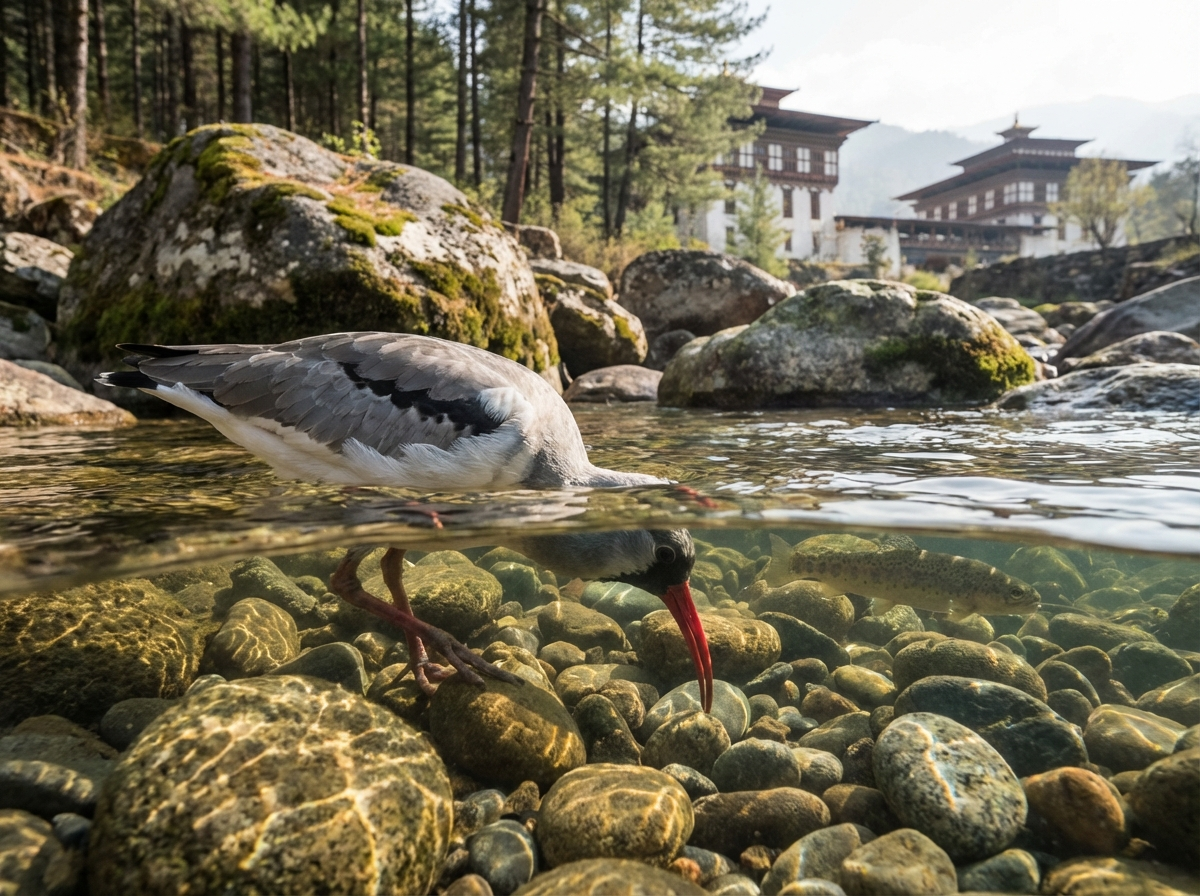
This image was generated with AI.
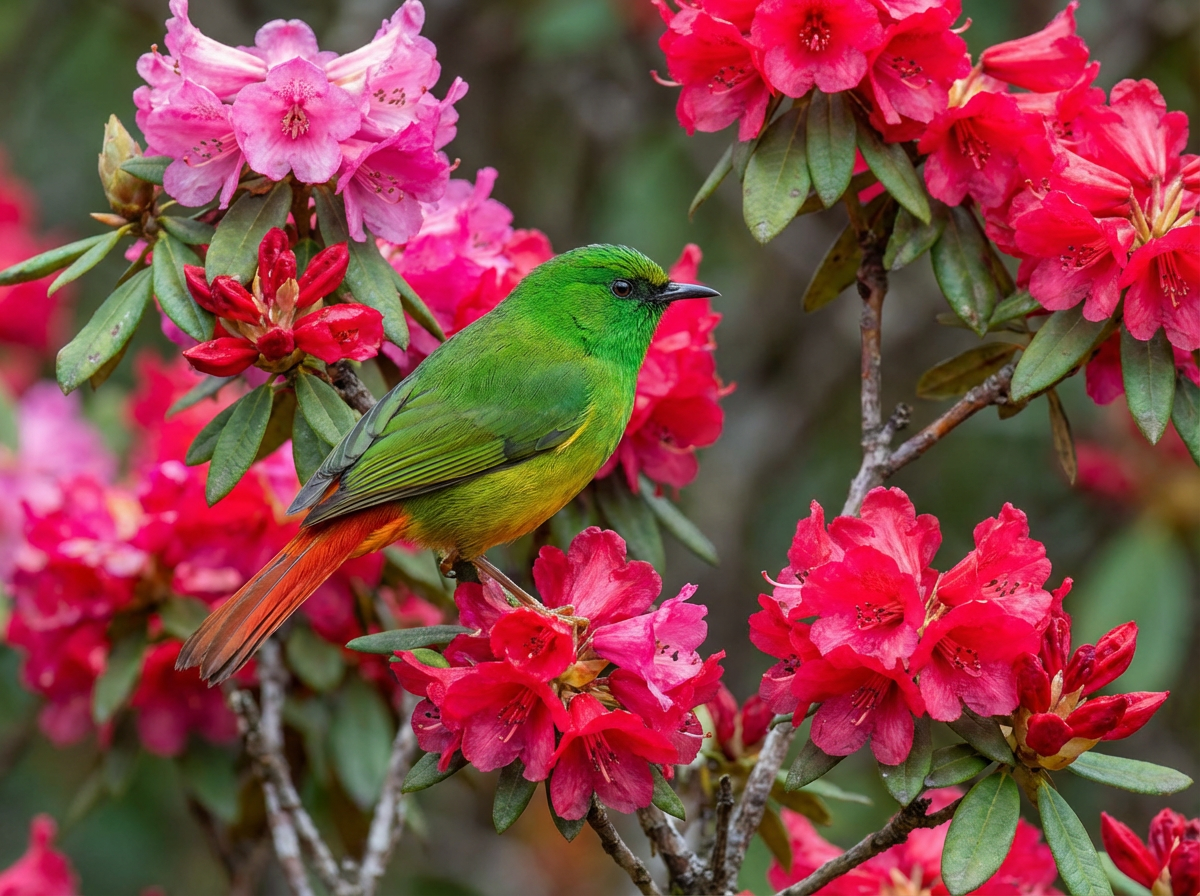
This image was generated with AI.
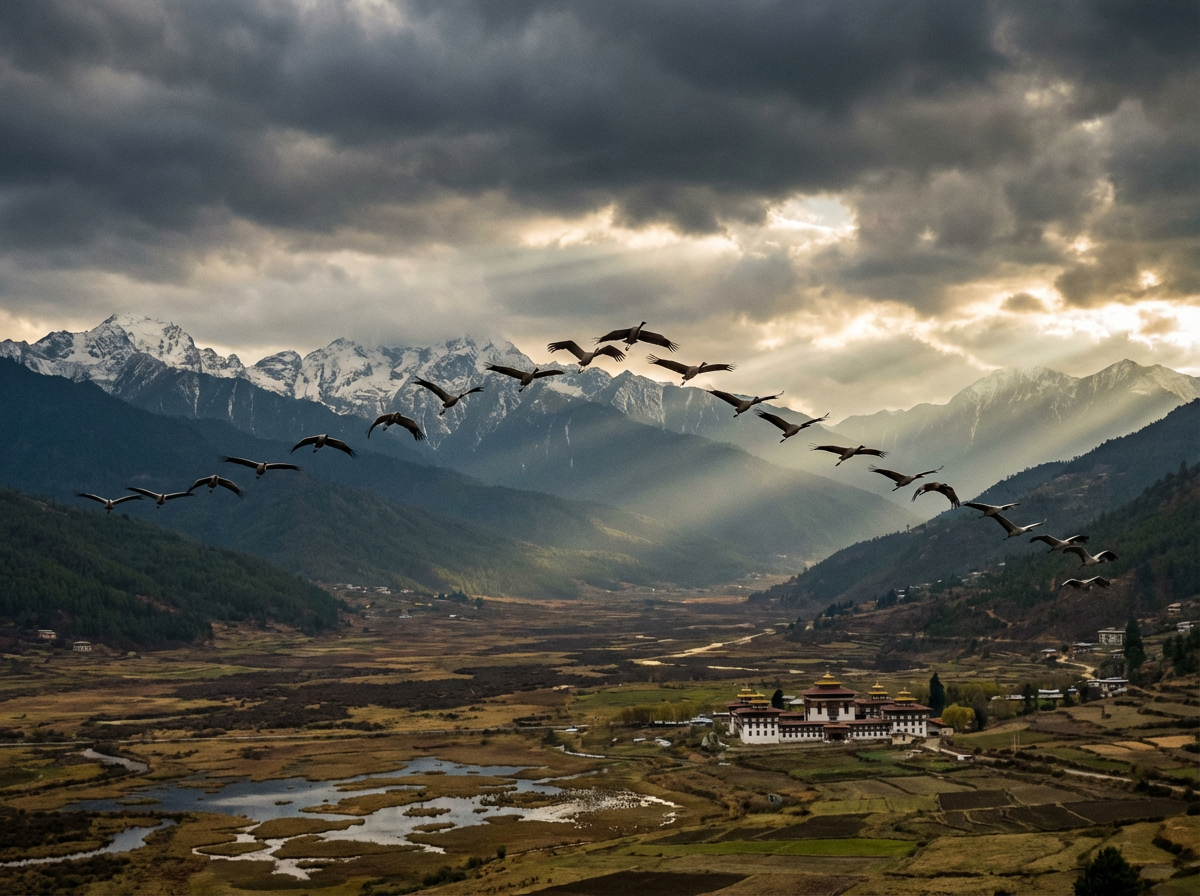
This image was generated with AI.
The Best Time for Birdwatching
Bhutan offers birdwatching opportunities year-round. Each season has its own charm and special highlights. The choice of optimal travel timing depends on which species particularly interest you.
Winter – November to February
Winter brings the big highlight: black-necked cranes in Phobjikha Valley. Additionally, various migratory birds visit the country. The weather is cold but often sunny and clear – ideal conditions for observations. Those wanting to experience the cranes should visit during these months.
Spring – March to May
Breeding season makes spring the best overall time for birdwatching. Birds are most active, males display their plumage and fill the forests with song. Simultaneously, blooming rhododendrons transform mountain landscapes into a sea of color. For general birding, this season is hard to beat.
Autumn – September to November
In autumn, weather stabilizes after the monsoon, visibility is clear, and temperatures pleasant. Late October brings the cranes – an experience making autumn a good alternative to spring. Migrating birds heading south further enrich species diversity.
| Season | Months | Highlights | Recommendation |
|---|---|---|---|
| Winter | November – February | Black-necked cranes, winter visitors | Best time for cranes |
| Spring | March – May | Breeding season, bird song, rhododendrons | Best overall birding time |
| Autumn | September – November | Crane arrival, clear visibility | Good alternative to spring |
Bhutan's Diverse Plant Life
Bhutan's bird world is inseparably connected to the country's rich flora. The forests covering over 70 percent of the Kingdom provide not only habitat for birds – they also shape the visual experience of every nature trip. From tropical lowland forests to alpine wildflower meadows, plant diversity extends across a range unmatched in Asia.
Forest Types by Elevation
- Subtropical Forest up to about 1,000 meters – dense, evergreen vegetation with palms and ferns
- Temperate Deciduous Forest from 1,000 to 3,000 meters – characterized by oaks, maples, and magnolias
- Coniferous Forest from 3,000 to 4,000 meters – firs, pines, and junipers dominate
- Alpine Zone above 4,000 meters – expansive grasslands with dwarf shrubs and wildflowers
Rhododendrons – Bhutan's Blooming Splendor
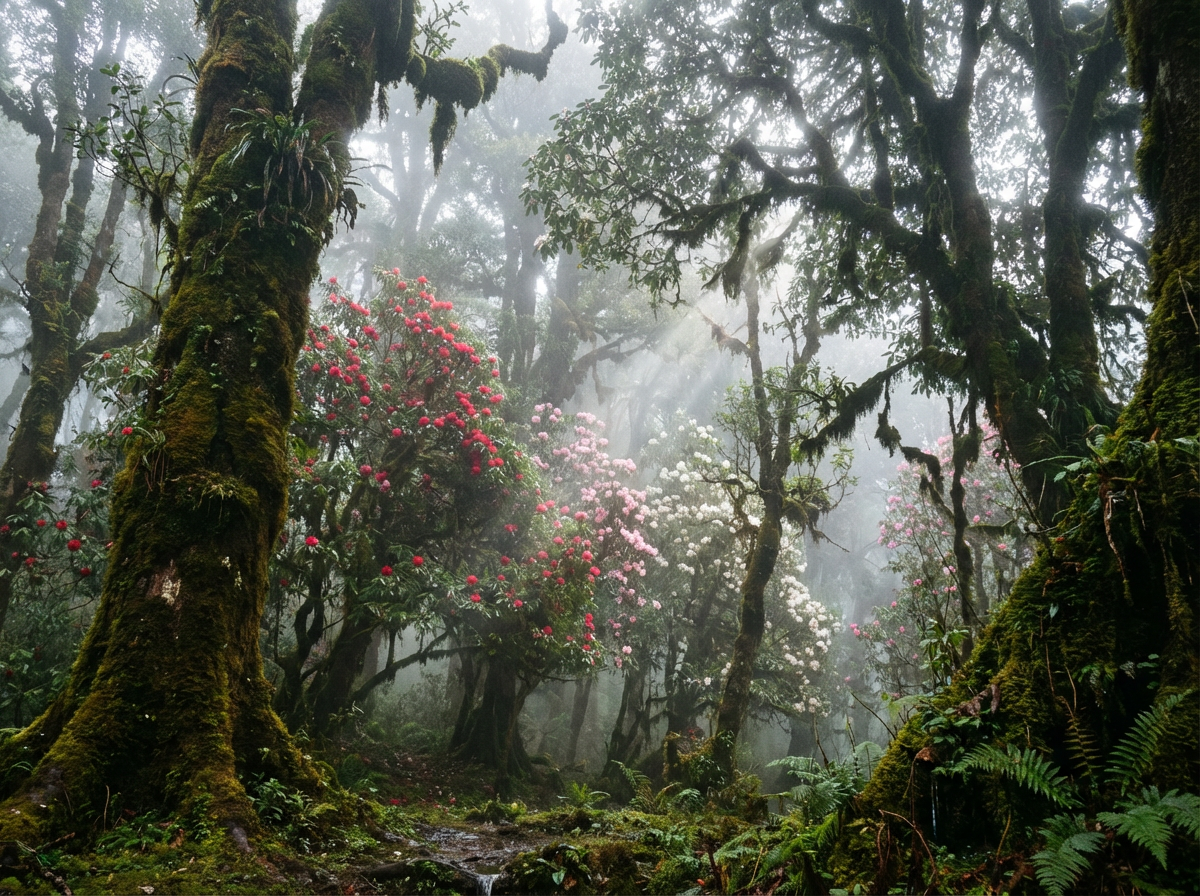
Over 45 rhododendron species thrive in Bhutan. From March to May, they transform hillsides into a sea of color from white through pink to deep red. Particularly impressive blooms occur at Dochula Pass and Chelela Pass. Those scheduling their birding trip during this season experience the spectacular combination of birdwatching and flower displays.
The Blue Poppy – Bhutan's National Flower
The Blue Poppy (Meconopsis) is Bhutan's national flower and one of the Himalayas' botanical treasures. It grows on alpine meadows above 3,500 meters and blooms from June to July in an intense, almost surreal blue. Finding the plant requires persistence and often lengthy hikes – but for plant lovers, this encounter is unforgettable.
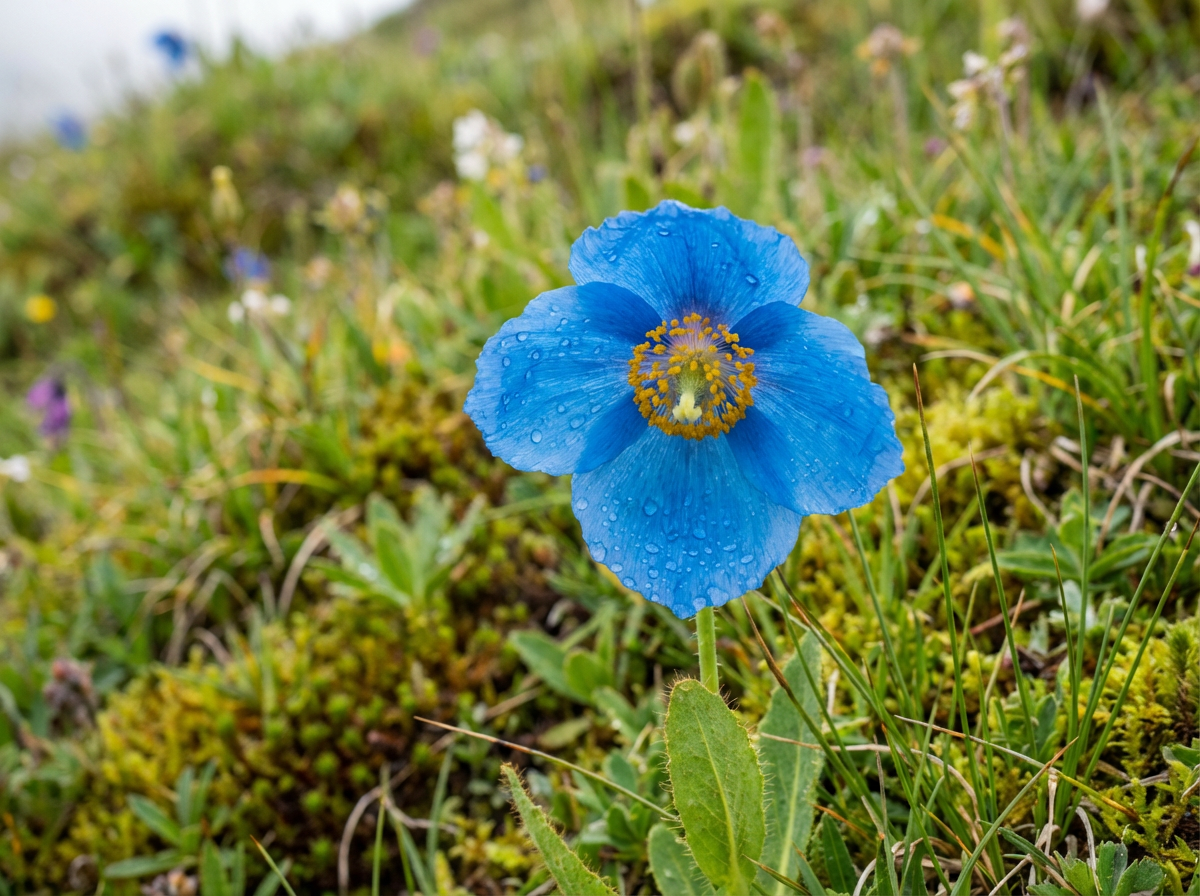
This image was generated with AI.
Bhutan's Fascinating Mammal World
Beyond the impressive bird world, Bhutan hosts remarkable mammal diversity. Over 100 species live in the Kingdom's various habitats – including some of the world's rarest and most endangered animals.
| Animal | Status | Habitat |
|---|---|---|
| Snow Leopard | Endangered, very rare | High mountains, Jigme Dorji National Park |
| Bengal Tiger | Endangered | Subtropical and temperate forests |
| Red Panda | Endangered | Temperate bamboo forests |
| Takin (National Animal) | Strictly protected | High-altitude pastures above 3,000 meters |
| Blue Sheep (Bharal) | Not endangered | Alpine rocky regions |
The Takin – Bhutan's Unique National Animal
The Takin looks like a cross between a goat, antelope, and buffalo – an animal you must see to believe. It lives on high pastures above 3,000 meters and feeds on bamboo and herbs. In Thimphu, you can observe takins up close at the Motithang Takin Preserve. Legend says the animal was created by the holy madman Drukpa Kunley from the bones of a goat and buffalo – explaining its unusual appearance.
Specialized Birding Tours in Bhutan
Bhutan travel requires a licensed local guide – for birdwatchers, this is an advantage. Specialized birding guides know the best observation spots, can identify bird calls, and know exactly where rare species are found. With their assistance, even difficult-to-locate birds become realistic sightings.
Recommended Trip Duration
- 7 to 10 days – ideal for a first overview and major highlights
- 14 to 18 days – comprehensive exploration of multiple regions and elevation zones
- 21 days or more – for serious birders wanting to explore remote areas
What Birding Tours Include
A specialized birding tour includes guidance by experienced local bird experts, early departures at dawn – the most active time for birds – and transportation to remote observation areas. Bird checklists help document sightings. Most tours combine birding with cultural experiences, so you experience Bhutan in all its diversity.
Recommended Equipment
- Binoculars – essential, ideally 8x42 or 10x42
- Spotting scope with tripod – for long distances, particularly helpful for cranes
- Field guide or app – for species identification on-site
- Warm, layerable clothing – mornings are cool even in spring
- Camera with telephoto lens – for memorable photos of special sightings
Nature Conservation as State Philosophy
Bhutan's conservation commitment is globally unique. The Gross National Happiness concept places environmental protection on equal footing with economic development. For birdwatchers, this means: you experience nature here as it has vanished elsewhere – and your trip actively supports its preservation.
Royal Society for Protection of Nature (RSPN)
Founded in 1987, the RSPN is Bhutan's leading conservation organization. It monitors wildlife populations, protects habitats, and particularly works for black-necked crane conservation. Its work includes scientific research, environmental education in schools, and collaboration with local communities. As a Bhutan visitor, you indirectly support this important work through your contribution to the local economy.
Bhutan's Protected Area System
The Kingdom maintains an impressive network of five national parks, four wildlife sanctuaries, and one nature reserve. Biological corridors connect these areas and enable wildlife migrations across long distances. Overall, more than 25 percent of the land is protected – a share unmatched globally.
How Your Visit Contributes to Conservation
The Sustainable Development Fee (SDF) paid by all international visitors goes directly to conservation projects, education, and healthcare. Bhutan intentionally limits visitor numbers to protect sensitive ecosystems. As a traveler, you become part of a sustainable tourism model that combines conservation with authentic experiences.
In Bhutan, nature is not just protected – it is part of our soul. When the black-necked cranes arrive in autumn and circle our monastery three times, the entire valley stands still. In that moment, our guests understand why we revere these birds as sacred.
Frequently Asked Questions About Birdwatching in Bhutan
When is the best time for birding in Bhutan?
For general birding, we recommend spring from March to May – breeding season brings song, courtship behavior, and active birds. For black-necked cranes, winter from November to February is ideal when birds winter in Phobjikha Valley. Autumn from September to November offers stable weather and crane arrivals in late October.
Can I birdwatch independently in Bhutan?
Bhutan requires a licensed guide for all international visitors. For birdwatchers, this is a clear advantage: specialized birding guides know the best observation spots, can identify bird calls, and know where rare species are found. Their local expertise often makes the difference between an average and an extraordinary birding experience.
What equipment do I need for birdwatching?
High-quality binoculars (8x42 or 10x42) are essential. Optional but recommended is a spotting scope for longer distances, particularly helpful for crane watching. A field guide or app helps with identification. Warm, layerable clothing is important, as mornings are cool even in spring. A camera with a telephoto lens allows memorable photos of special sightings.
How can I experience the Black-Necked Crane Festival?
The festival occurs annually on November 11th at Gangteng Monastery in Phobjikha Valley. Plan your trip early around this date, as valley accommodations fill quickly. The festival combines crane watching with traditional dances and cultural performances – a unique experience. Learn more on our Phobjikha Valley page.
What rare species can I see in Bhutan?
Among the most sought-after are the Satyr Tragopan with its spectacular red plumage, the iridescent Himalayan Monal, the magnificent Ward's Trogon, and the colorful Beautiful Nuthatch. The White-bellied Heron is extremely rare – only about 200 individuals exist worldwide. Black-necked cranes are the absolute winter highlight. An experienced guide significantly increases your sighting chances.
How many days should I plan for a birding trip?
We recommend a minimum of 7 to 10 days for major highlights. Optimal is 14 to 18 days to explore multiple regions and elevation zones. Serious birders wanting to visit remote areas like Eastern Bhutan should plan 21 days or more. Longer trips not only increase species numbers but enable deeper insights into Bhutan's culture.
You May Also Be Interested In

This image was generated with AI.
Phobjikha Valley
The glacier valley of black-necked cranes: Gangtey Monastery, expansive meadows, and one of Bhutan's most beautiful nature experiences.

This image was generated with AI.
Best Time to Visit
When is the ideal time for your Bhutan trip? Overview of climate, festivals, and seasonal highlights.

This image was generated with AI.
Sustainability
Understand Bhutan's unique philosophy: how the Kingdom combines conservation and tourism.
Plan Your Bhutan Birding Journey
We advise you on the best routes and travel times for birdwatching in Bhutan. Together we design a customized tour with specialized local guides that maximize your chances of unforgettable sightings.