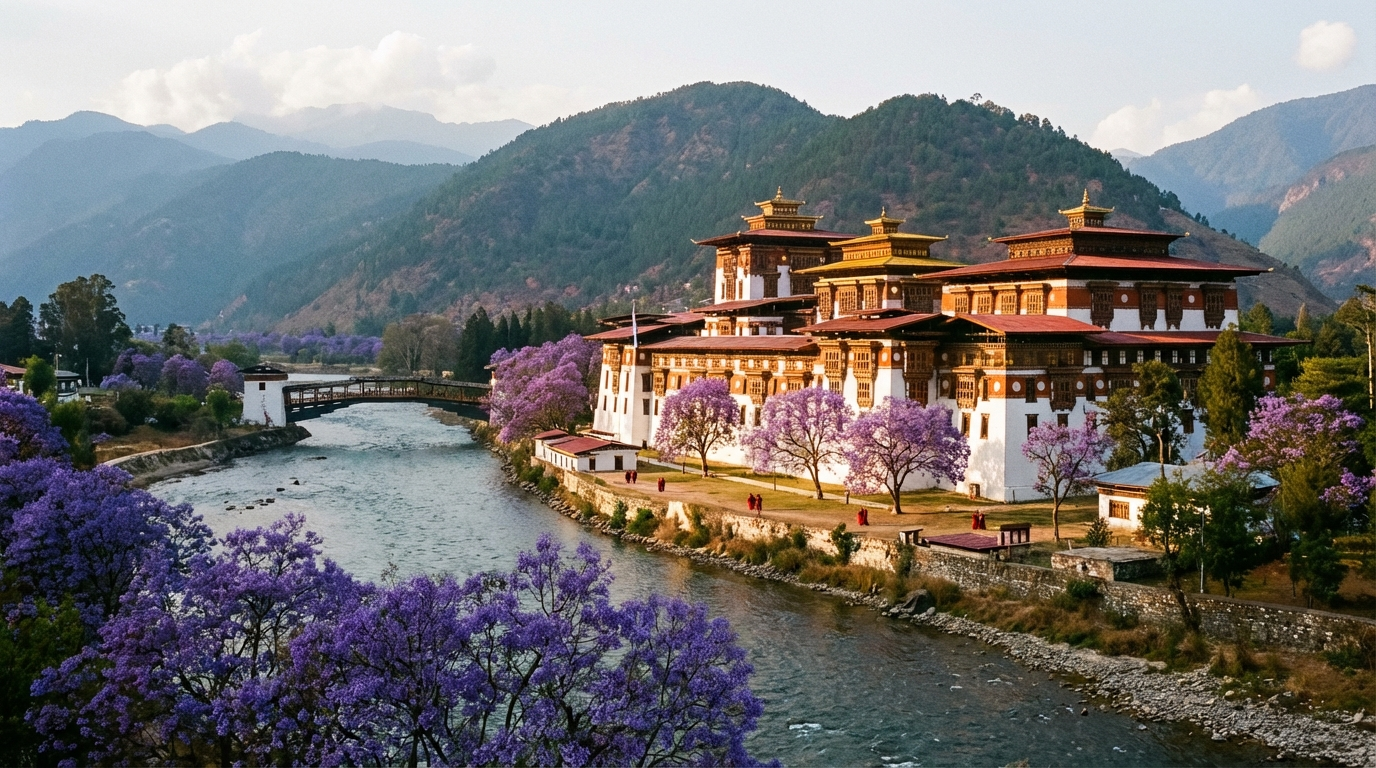
Dzongs and Monasteries in Bhutan – Discover Sacred Fortresses
Last updated:
A Bhutan dzong is far more than just a historical structure – it is the beating heart of Bhutanese culture. These imposing fortress-monasteries have united government and religion under one roof for centuries. For travelers, they offer a unique insight into the kingdom's living traditions, as many dzongs serve today as administrative centers and house active monastic communities.
On this page, we introduce you to Bhutan's most important dzongs, explain the key behavioral rules for your visit, and showcase the spiritual experiences that await you – from morning prayers to colorful Tshechu festivals.
What is a Dzong?
The word "Dzong" translates to "fortress" – but this designation only captures part of the truth. A Dzong (fortified monastery) is a unique combination of monastery, administrative center, and fortress. Originally developed in Tibet, this architectural form was perfected in Bhutan. Here, the most imposing dzongs were created, structures that continue to define the landscape and play a central role in the kingdom's daily life today.
Architectural Features
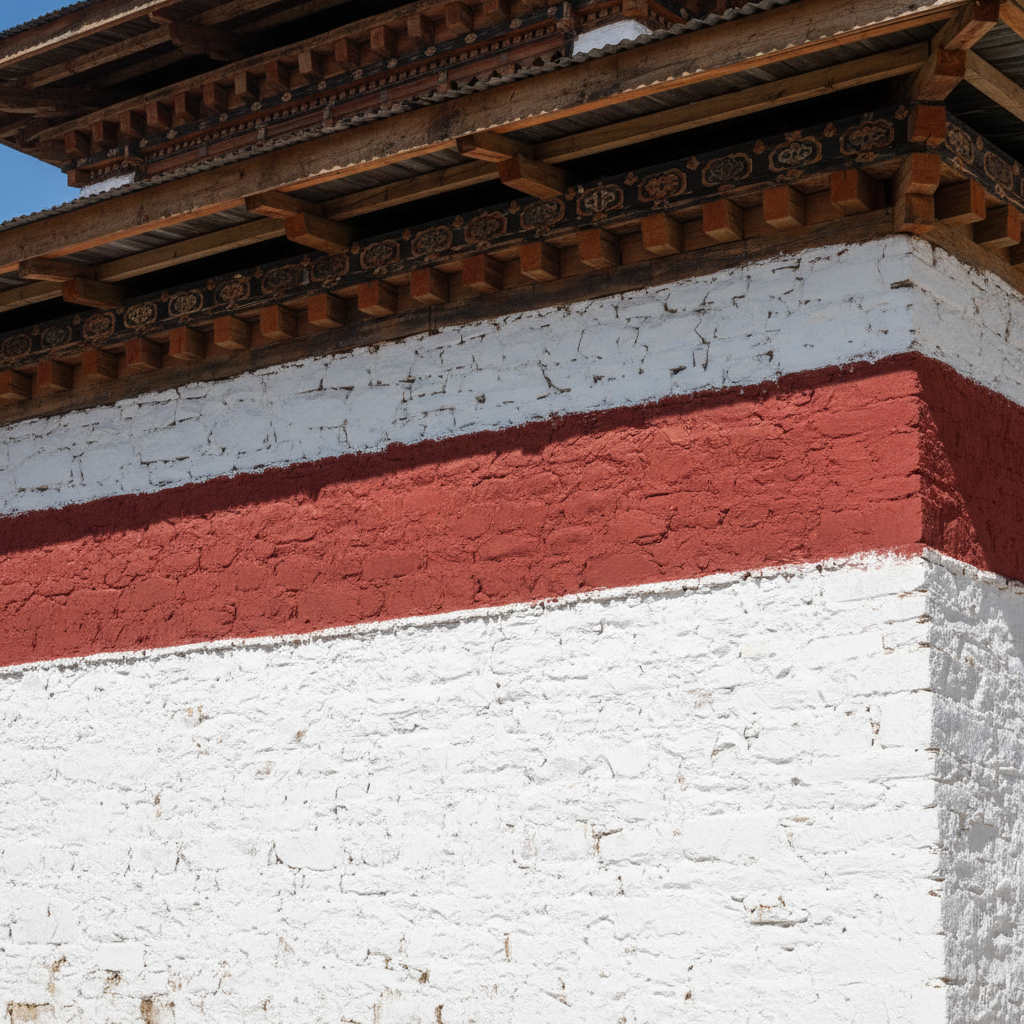
Dzongs impress through their massive construction. The tall, whitewashed outer walls are characteristically inclined inward – a feature that served both defense and earthquake resistance. Below the roof line runs a red ochre stripe that marks the boundary between the secular and sacred areas. At the center of each dzong rises the Utse, a central tower that houses the most important temples. Rectangular buildings group around paved courtyards called Shabkhor. Remarkably: In the traditional wooden construction, not a single nail was used.
Historical Significance
The first dzongs were built in the 12th century by Tibetan Buddhist schools. The decisive impetus came from Zhabdrung Ngawang Namgyal, who united Bhutan from 1616 onward and had the most important dzongs constructed. Strategically positioned at river valleys and mountain passes, they served to control trade routes and valleys. Today, five of these impressive structures are on the UNESCO World Heritage Tentative List – as witnesses to unique architectural and cultural achievement.
Bhutan's Most Important Dzongs
Each dzong in Bhutan has its own character and history. Four dzongs stand out particularly and should not be missed on any Bhutan trip. They offer not only architectural highlights but also deep insights into the country's history and spirituality.
| Dzong | Region | Built | Special Feature |
|---|---|---|---|
| Punakha Dzong | Punakha | 1637 | Most beautiful dzong, historic coronation site |
| Tashichho Dzong | Thimphu | 1216/1641 | Seat of government, summer residence of monks |
| Trongsa Dzong | Trongsa | 1543 | Most impressive location, gateway to the east |
| Rinpung Dzong | Paro | 1656 | Venue for the famous Paro Tshechu |
Punakha Dzong – The Palace of Great Happiness
This image was generated with AI.
This image was generated with AI.
This image was generated with AI.
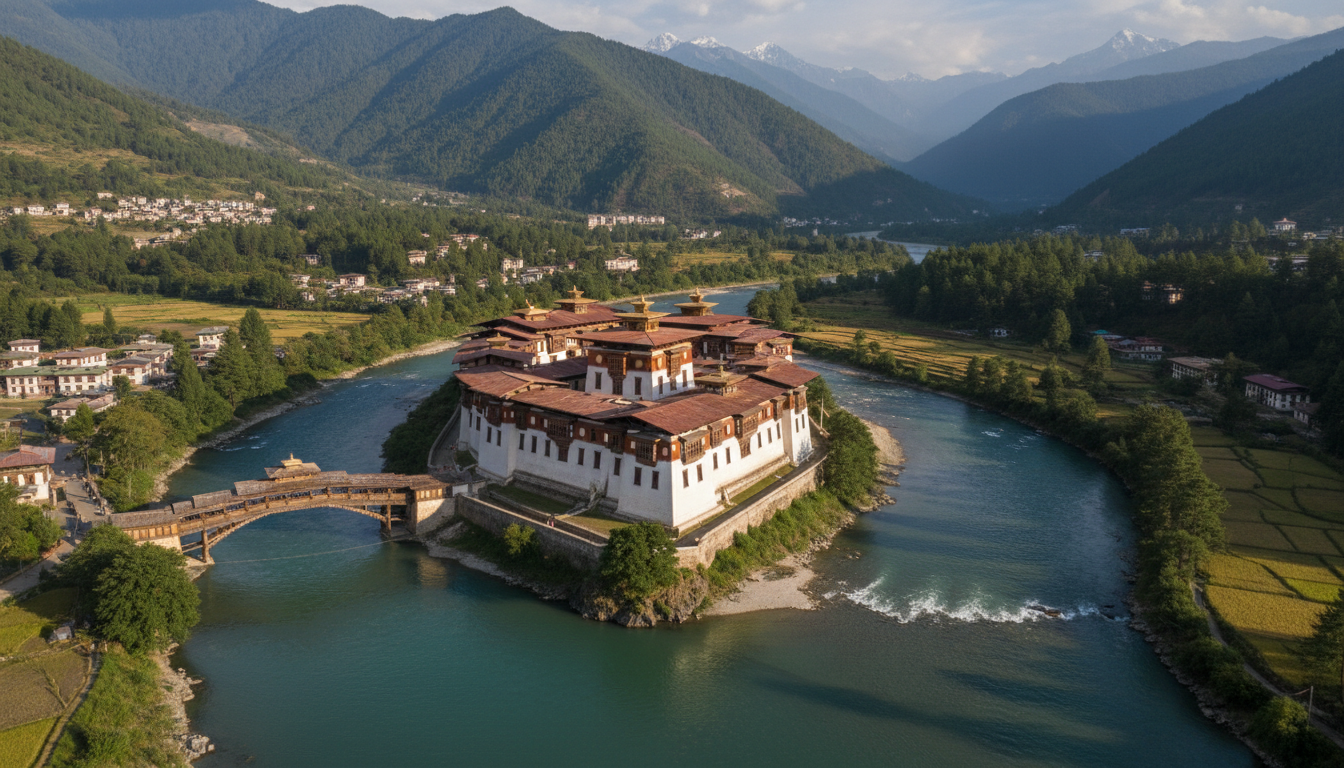
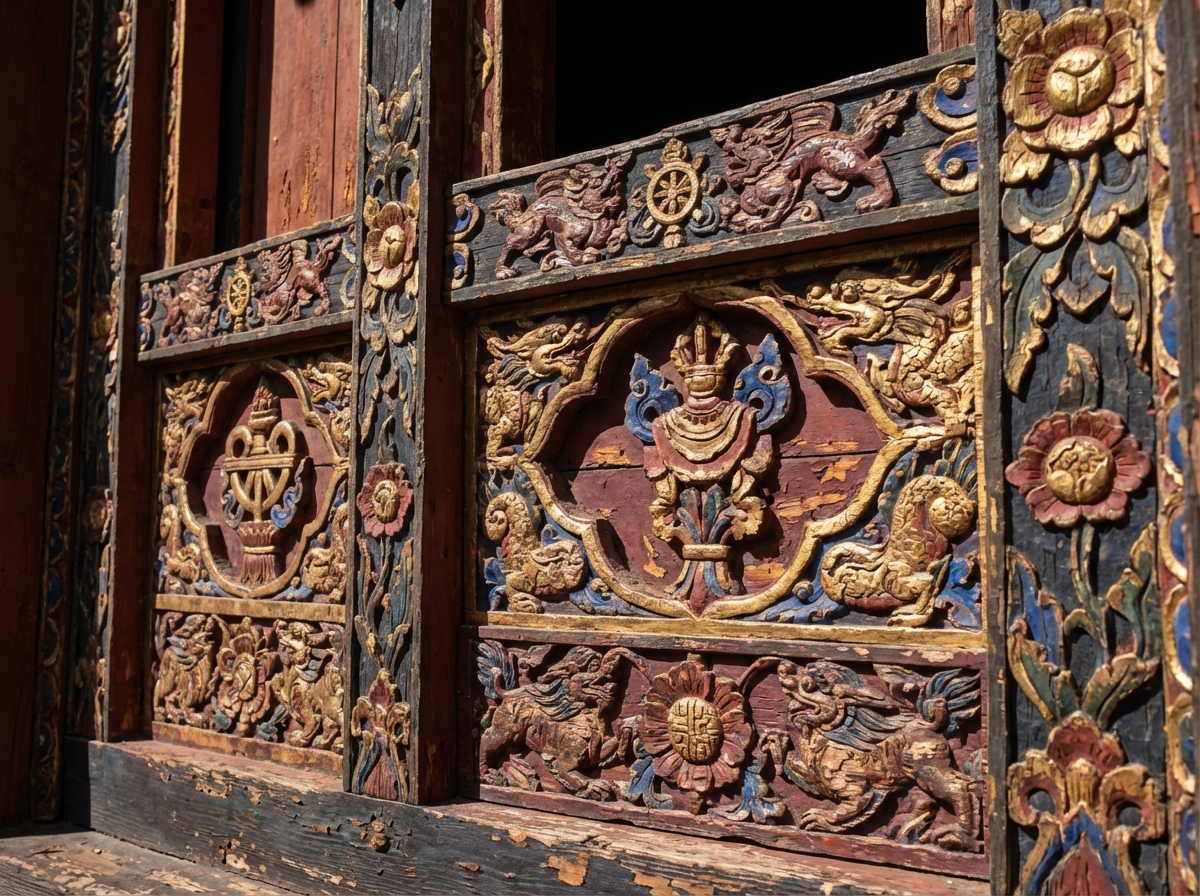
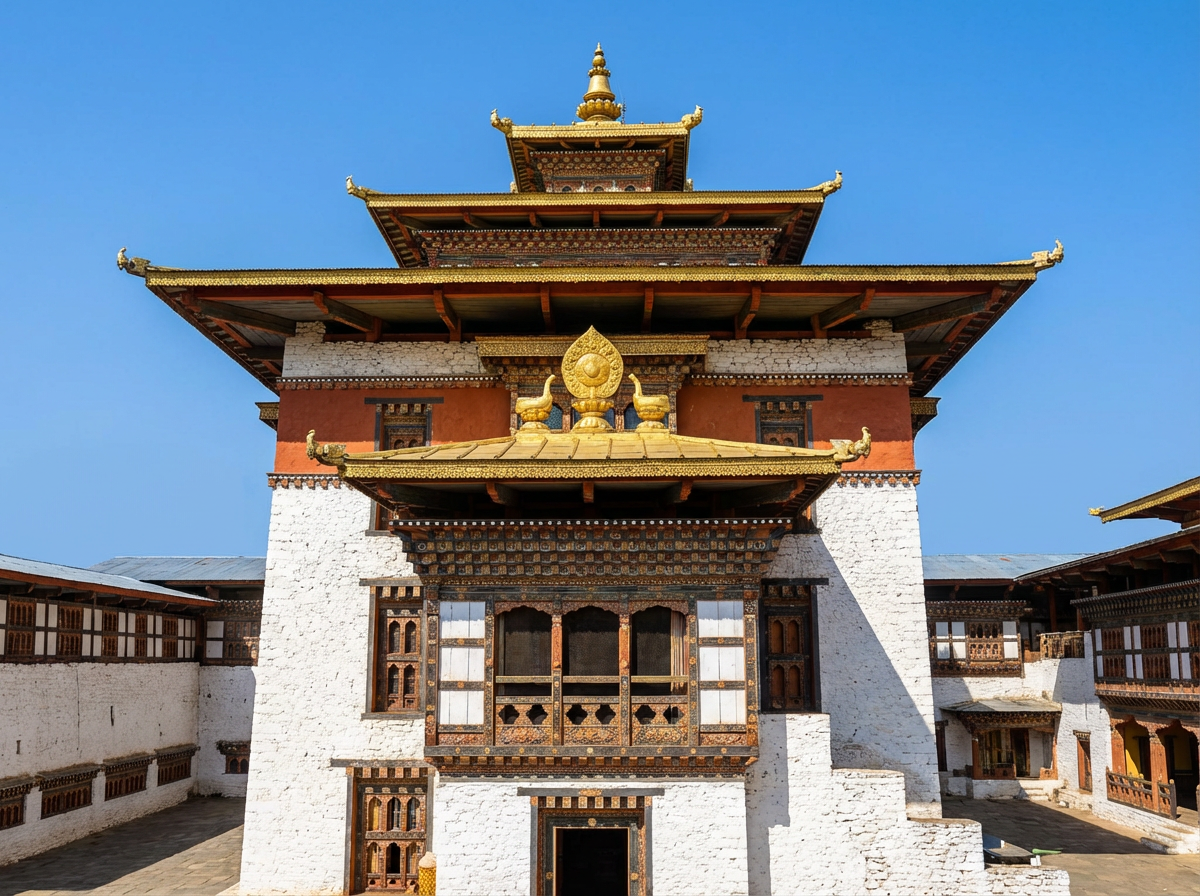
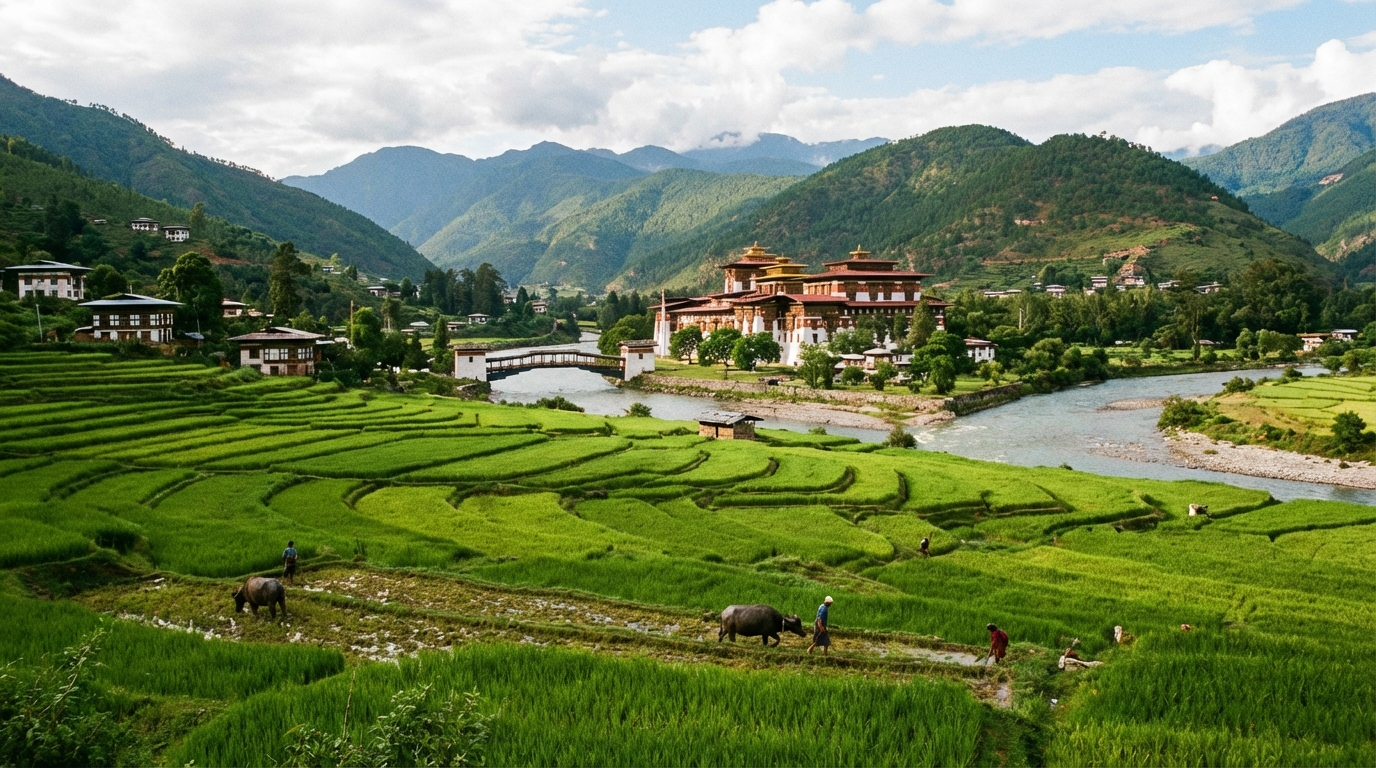
Punakha Dzong bears the full name Pungtang Dechen Photrang Dzong – "Palace of Great Happiness". Built in 1637 by Zhabdrung Ngawang Namgyal, it is considered the most beautiful dzong in Bhutan. Its spectacular location at the confluence of Mo Chhu (Mother River) and Pho Chhu (Father River) makes it one of the most photographed structures in the country. As the second-oldest and second-largest dzong, it impresses with three courtyards – a rarity, as all other dzongs have only two. In winter, Bhutan's central monastic body relocates here, and all the country's kings have been crowned in this historic structure.
Tashichho Dzong – Fortress of Glorious Religion
This image was generated with AI.
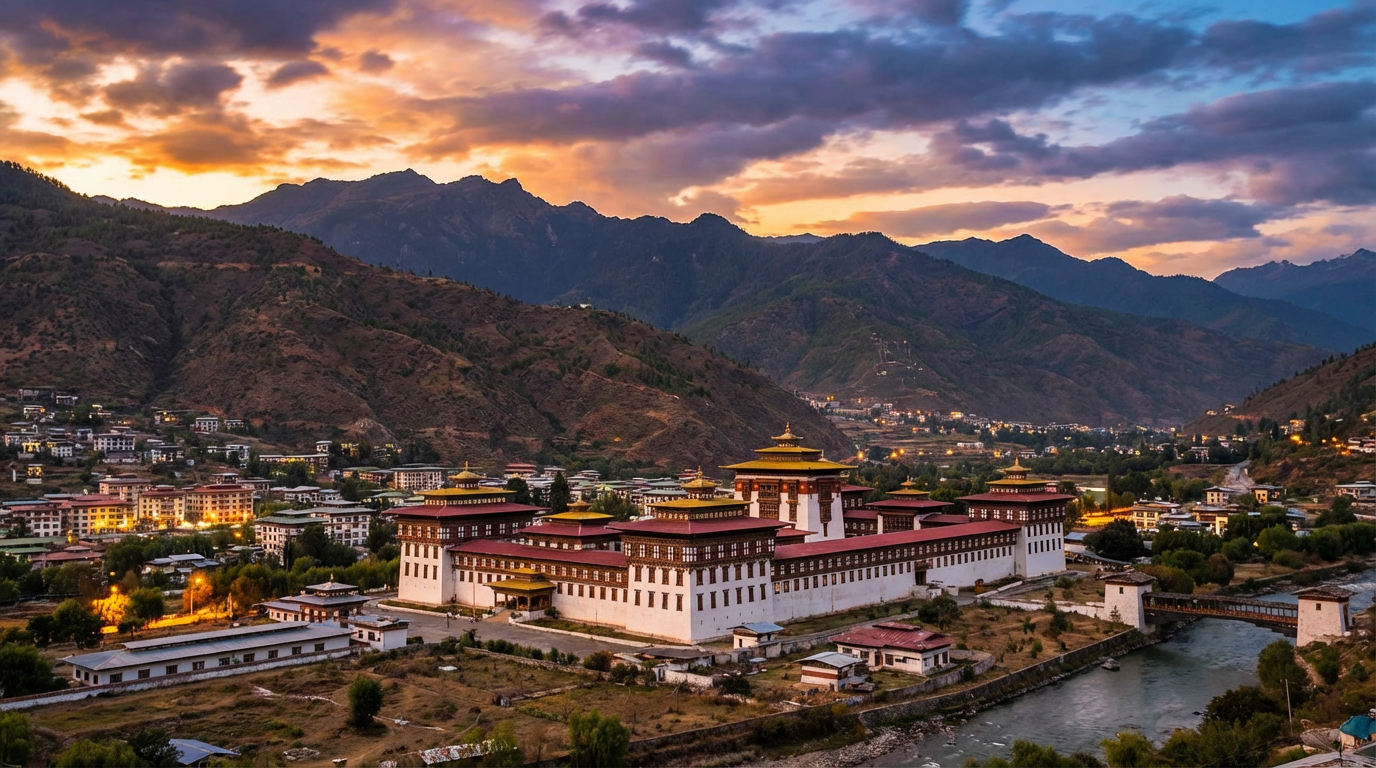
In the heart of the capital Thimphu rises Tashichho Dzong – the "Fortress of Glorious Religion". A small temple already stood here in 1216, which was expanded over the centuries into the impressive complex we see today. Tashichho Dzong is the political and religious center of Bhutan: It houses the offices of the King and several ministries, and in summer, the central monastic body resides in the monastery chambers. The annual Thimphu Tshechu, one of the country's largest festivals, takes place in this dzong's courtyard.
Trongsa Dzong – Guardian of the East
This image was generated with AI.
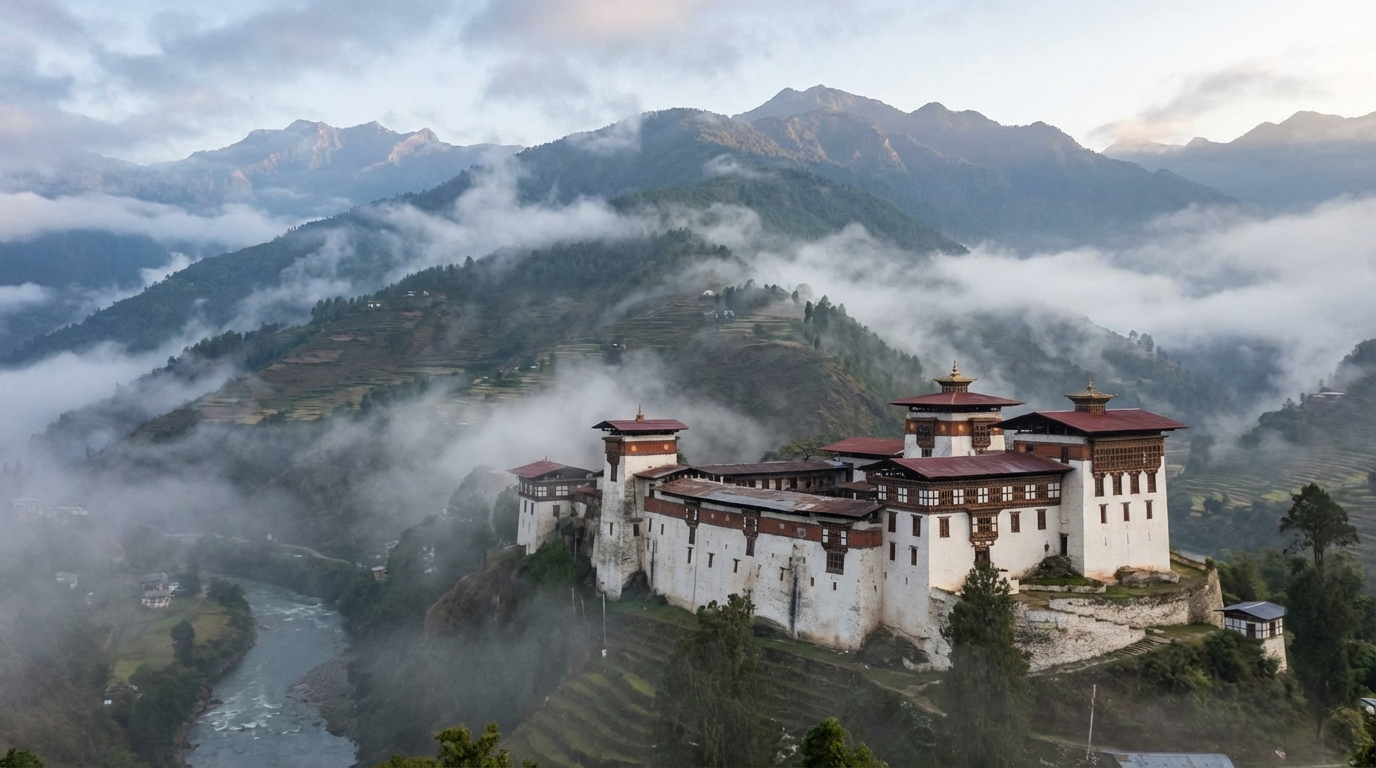
When traveling from west to east Bhutan, you cannot avoid Trongsa – and that was the point. Trongsa Dzong perches dramatically on a mountain ridge high above the Mangde Chhu valley and controlled the only connection between the country's regions for centuries. No wonder all of Bhutan's kings first served as Penlop (Governor) of Trongsa before ascending the throne. Even today, approximately 200 monks live in this sprawling complex. The nearby Tower of Trongsa Museum tells the fascinating story of the royal dynasty.
Paro (Rinpung) Dzong – Fortress of the Jewel Heap
This image was generated with AI.
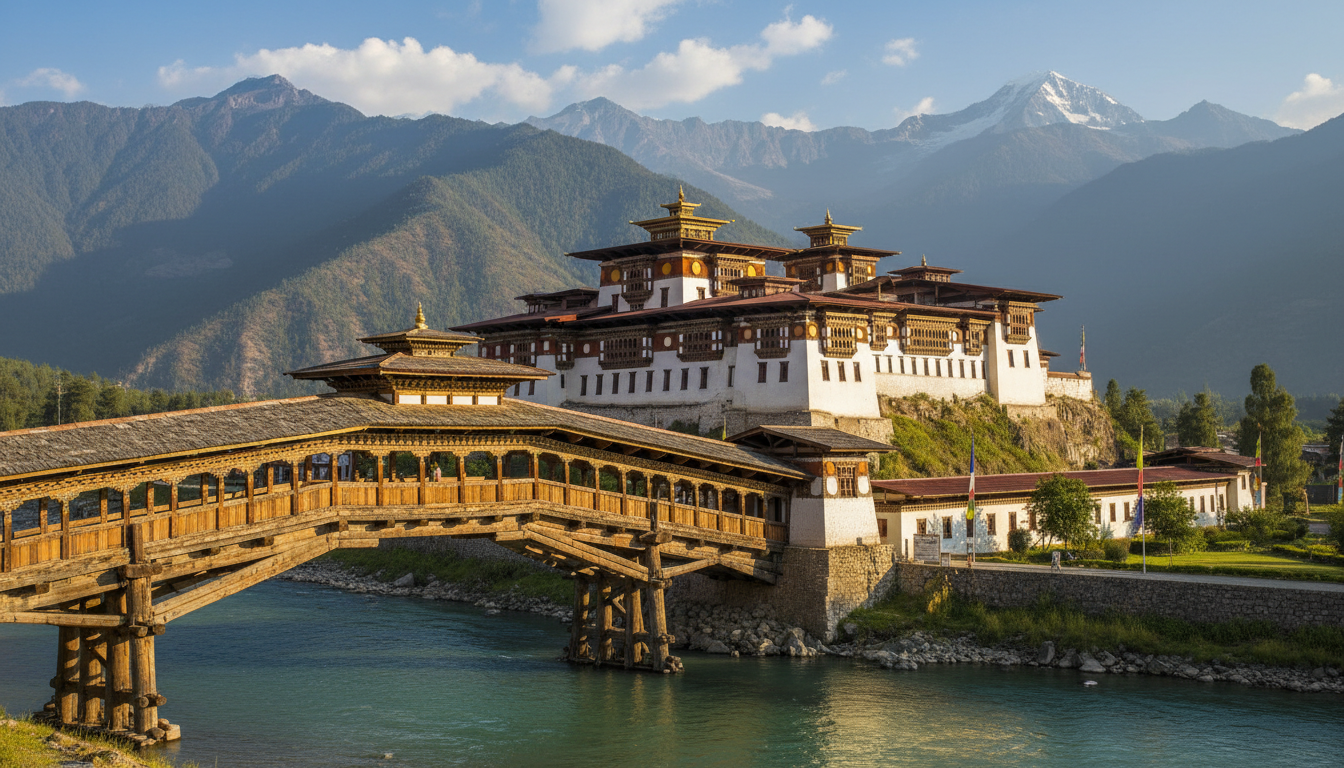
The Rinpung Dzong in Paro was completed in 1656 and is often the first dzong that Bhutan travelers see – the international airport is only a few kilometers away. One of Bhutan's oldest covered cantilever bridges crosses the Paro Chhu to the imposing entrance. Inside, you'll find an important monastery school of the Drukpa lineage. The Paro Rinpung Dzong is world-famous as the venue for the spectacular Paro Tshechu in spring. The neighboring Ta Dzong, once built as a watchtower, today houses Bhutan's National Museum with an impressive collection of Buddhist thangkas and artifacts.
Important Monasteries (Lhakhang and Goenpa)
Besides the dzongs, Bhutan hosts numerous monasteries without administrative functions. These are divided into Lhakhang (temples with religious ceremonies) and Goenpa (meditation centers for monks and nuns). Many of these monasteries rank among the spiritually most significant places in the Himalayas.
 Must-See
 This image was generated with AI.
Paro Taktsang (Tiger's Nest)
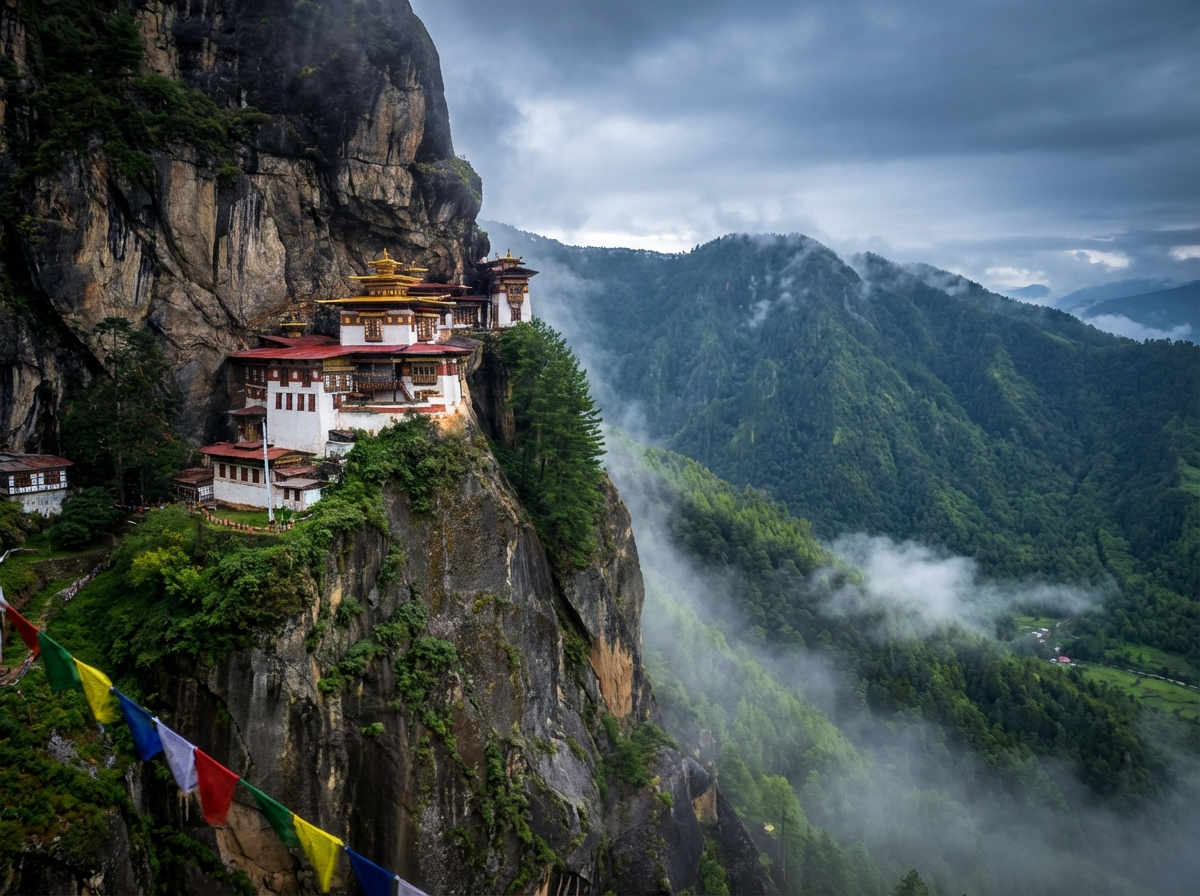
Bhutan's most iconic monastery clings spectacularly to a 900-meter-high cliff face. The hike is challenging but unforgettable.
This image was generated with AI.
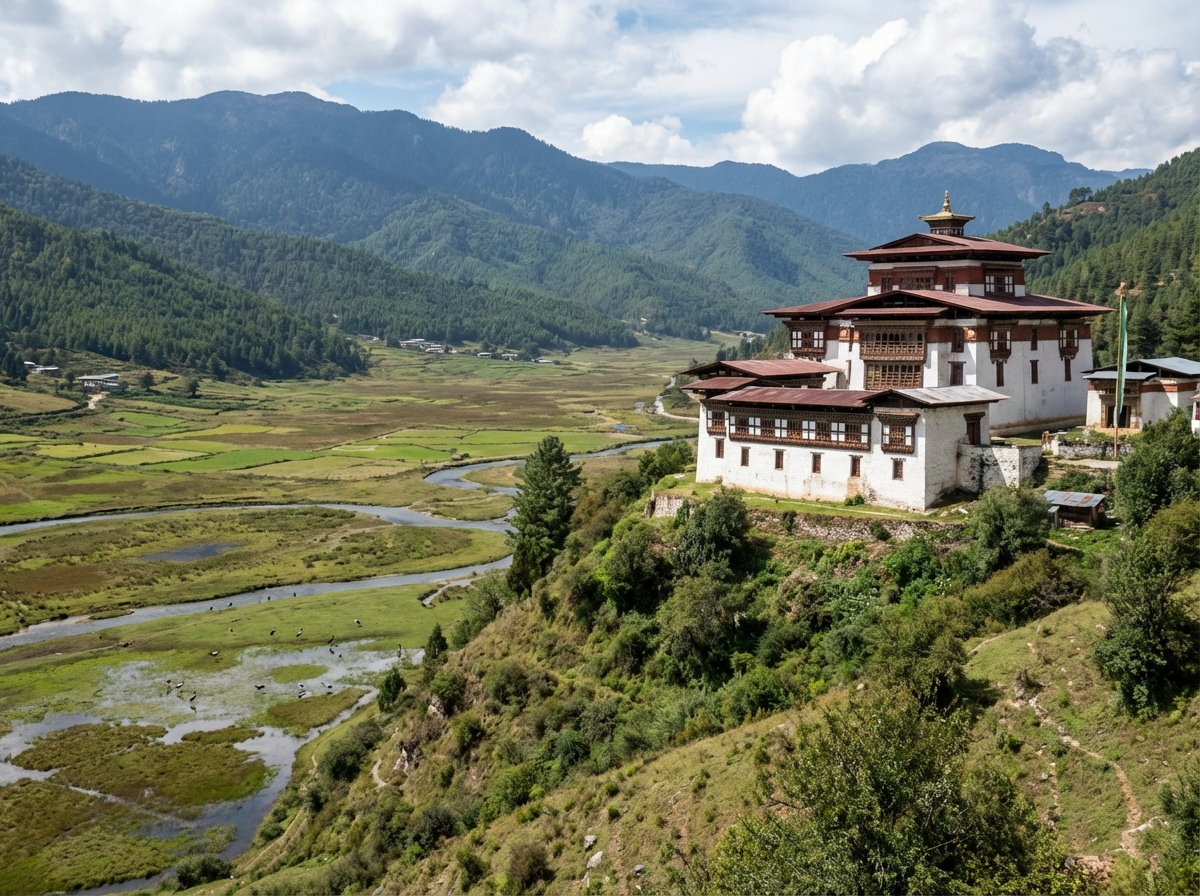
Gangtey Goenpa
The most important Nyingmapa monastery in western Bhutan overlooks the Phobjikha Valley, where rare black-necked cranes winter.
This image was generated with AI.
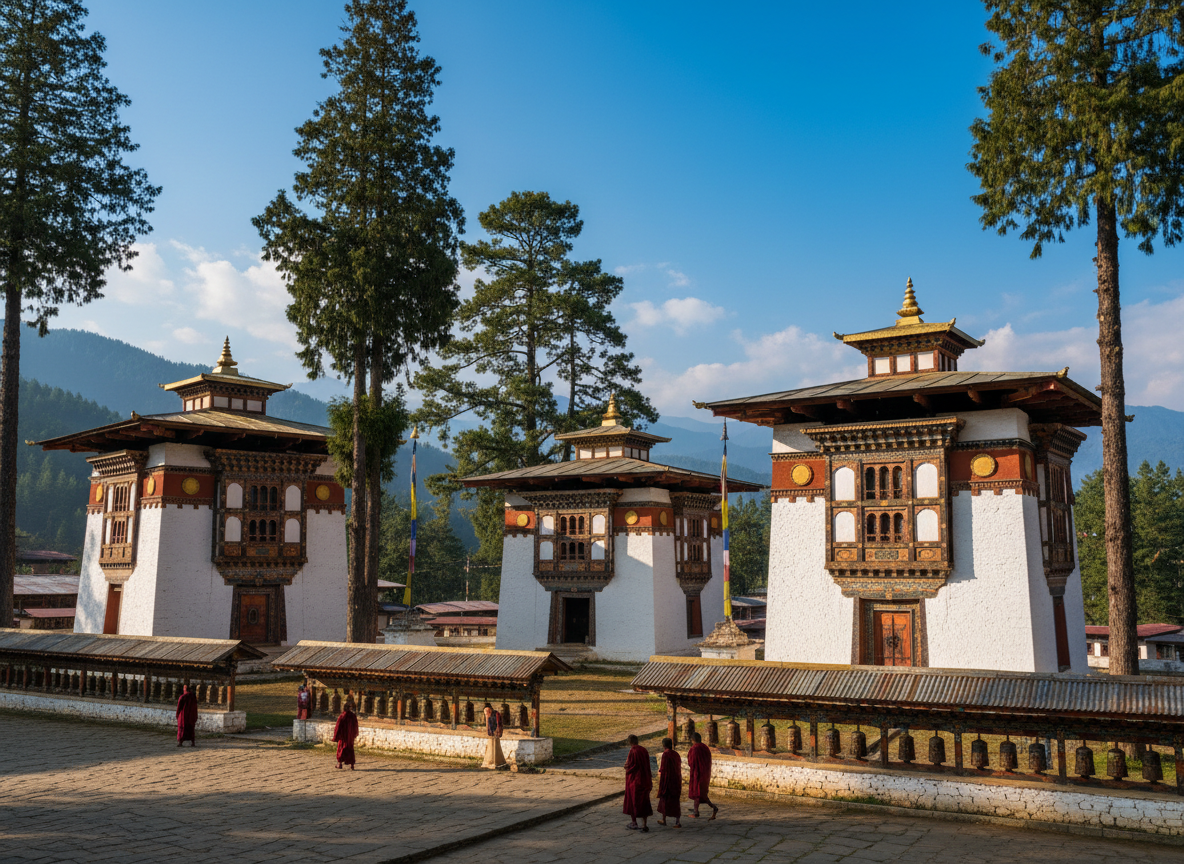
Kurjey Lhakhang
One of Bhutan's holiest sites: Here Guru Rinpoche left his body imprint in the rock. Three temples from different eras form the complex.
This image was generated with AI.
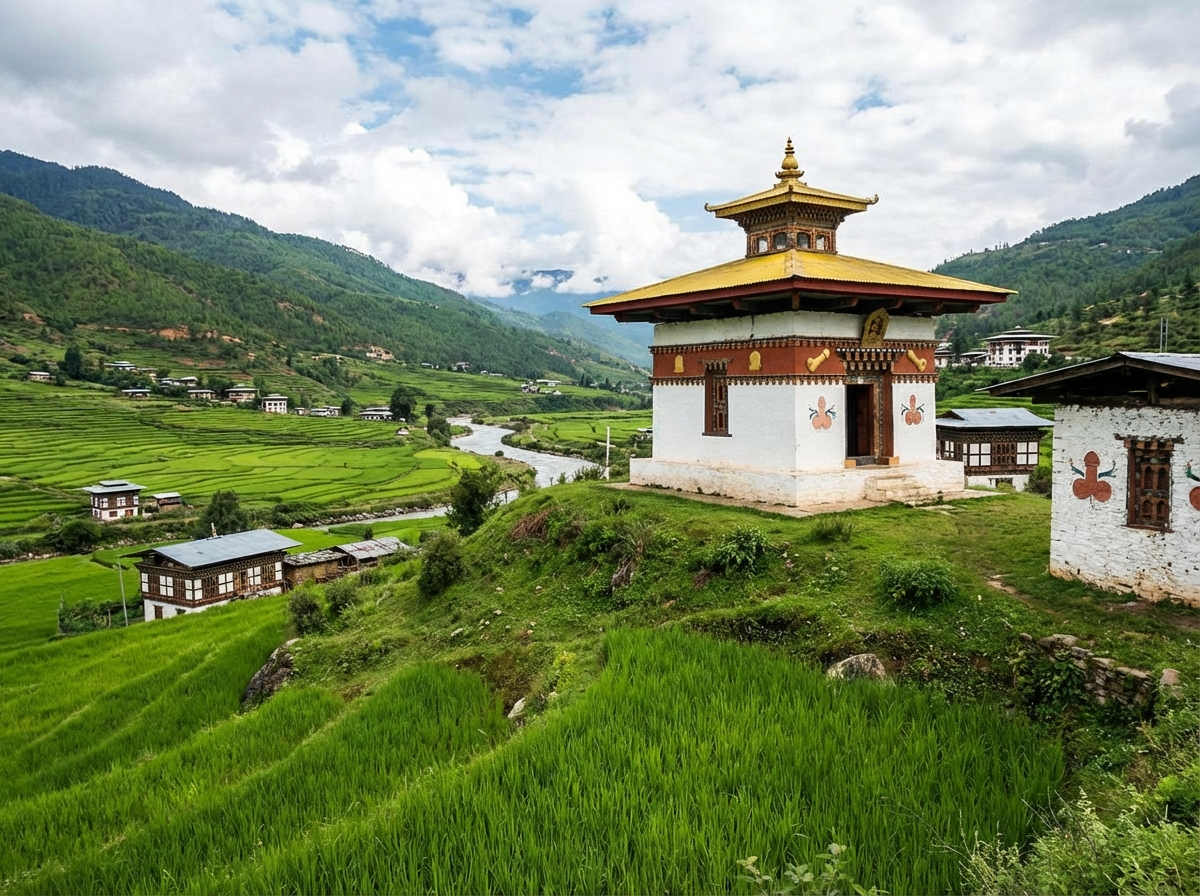
Chimi Lhakhang
The fertility temple is dedicated to the eccentric saint Drukpa Kunley. Couples from around the world pilgrimage here to ask for fertility blessings.
Behavior Rules During Your Visit
Dzongs and monasteries in Bhutan are not museums – they are active religious sites where monks pray and meditate daily. Respectful behavior is not only appreciated but expected.
Don't worry: Your guide will explain the most important rules before each visit. If uncertain, simply ask – Bhutanese appreciate genuine interest in their culture. Detailed information can be found on our page about dress and etiquette.
Dress Code for Dzong and Temple Visits
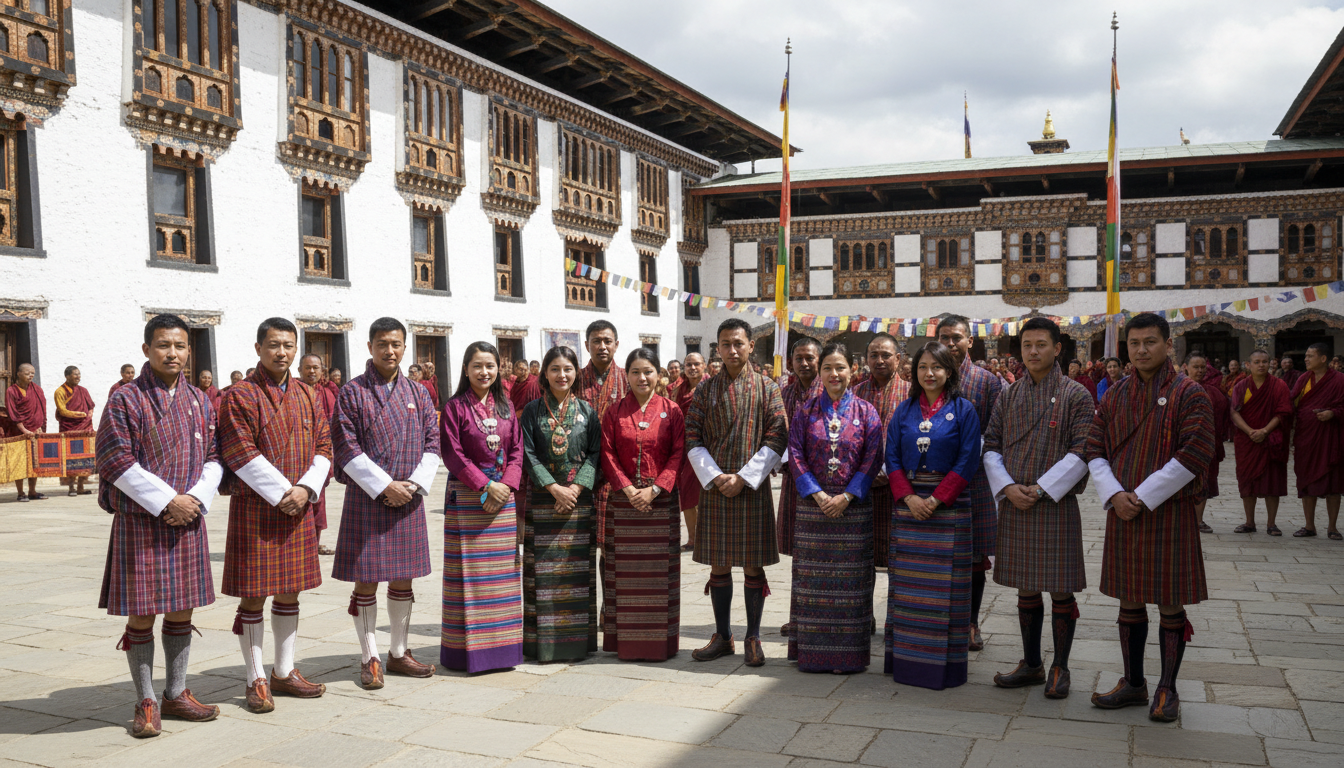
Appropriate clothing is mandatory in Bhutan's religious sites. Bhutanese themselves wear their national dress – the Gho for men and the Kira for women – for official occasions and temple visits. Visitors are not expected to wear traditional clothing, but following some basic rules shows respect.
| Body Area | Rule | Recommendation |
|---|---|---|
| Shoulders | Keep covered | T-shirt or light blouse, no tank tops or sleeveless tops |
| Knees | Keep covered | Long pants or skirts and dresses that cover at least the knees |
| Head | Remove hats and caps | Remove head coverings before entering the temple and store in your bag |
| Feet | Remove shoes | Easy-to-put-on and remove shoes are practical; socks may be kept on |
Photography Rules in Dzongs and Monasteries
Bhutan is a paradise for photographers – the majestic dzongs against dramatic mountain backdrops offer countless subjects. However, strict rules apply in religious sites. As a general rule: Exterior shots are usually allowed, but photography inside temples is almost always prohibited. Ask your guide if in doubt.
What is Allowed?
- Exterior views of dzongs are generally allowed without restriction
- In courtyards, you may often photograph after asking your guide
- Please only photograph monks with their explicit permission
- Special rules apply during Tshechu festivals – your guide will inform you
When in doubt, always ask your guide – he knows the rules of each location well. Detailed information about photography in Bhutan can be found in our photography guide.
Ceremonies and Spiritual Experiences
A Bhutan trip can be far more than sightseeing. If you wish, you can participate in genuine religious moments and experience the country's living spirituality. Opportunities range from simple gestures like lighting a butter lamp to multi-day monastery stays.
Tshechu Festivals
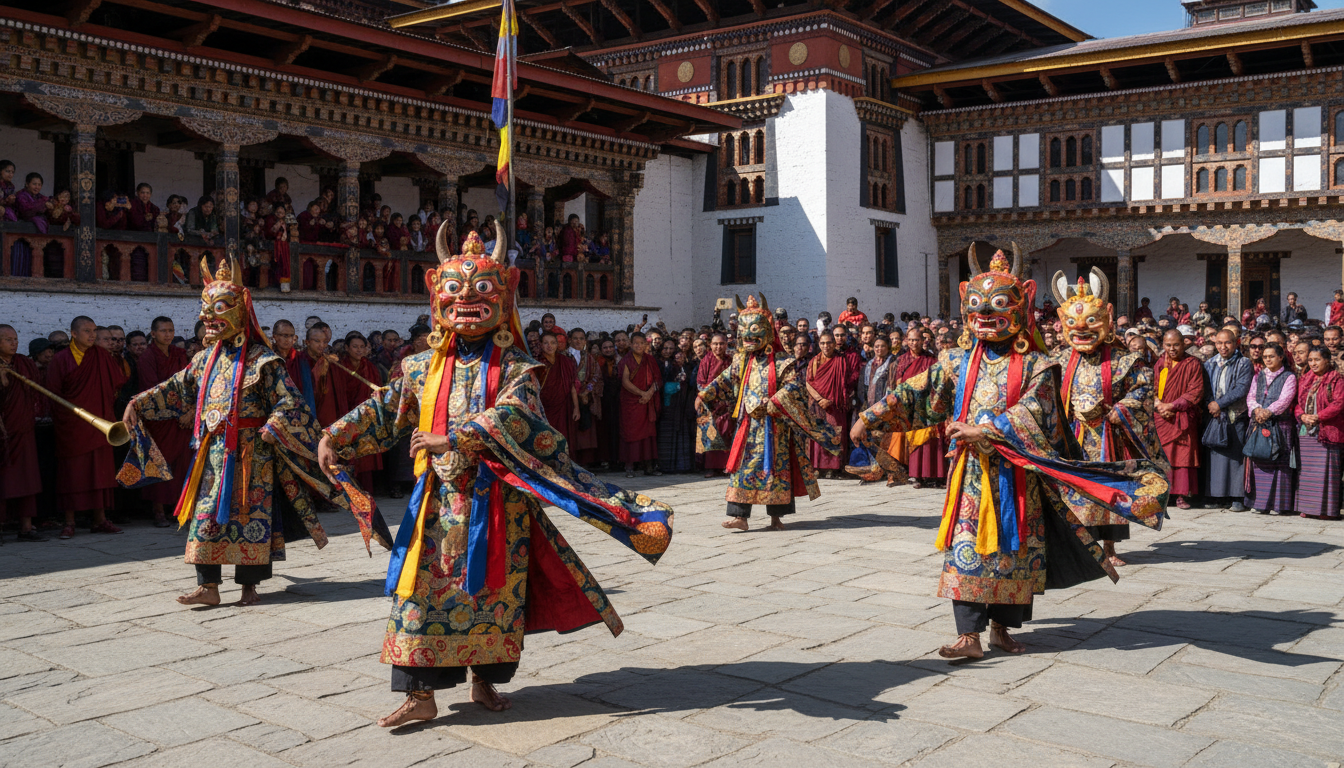
Bhutan's largest religious festivals take place in the courtyards of the dzongs. During the multi-day Tshechu festivals, monks and laypeople perform colorful masked dances that convey Buddhist teachings and ward off evil spirits. The entire community gathers, wears its finest clothing, and receives blessings. There's no better opportunity to experience Bhutan's spirituality firsthand. You can find the festival calendar on our festival page.
Attending Morning Prayers
In some monasteries, visitors can attend the monks' morning prayers. The rhythmic chanting in the morning stillness, the scent of incense, and the warm candlelight create a meditative atmosphere that lingers in memory long afterward.
Receiving Blessings
In most temples, you can receive a personal blessing from a monk. A small donation as a sign of respect is customary. The blessing is given through contact with a sacred object placed on the head.
Monastery Stays
For deeper spiritual experiences, stays at selected monasteries can be arranged. You meditate together with monks, experience the daily life of a monastic community, and enjoy a restorative break from digital life. Such stays must be booked in advance through your travel operator.
Architecture in Detail
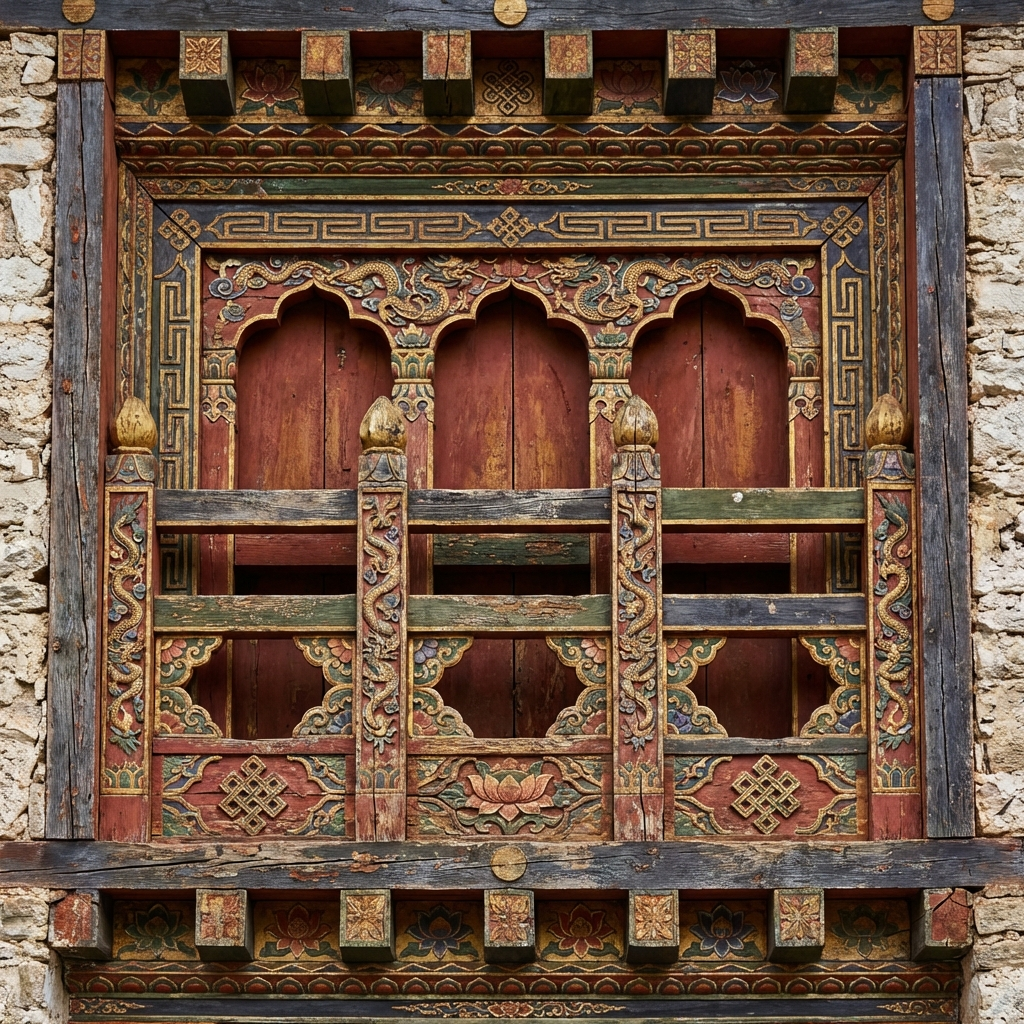
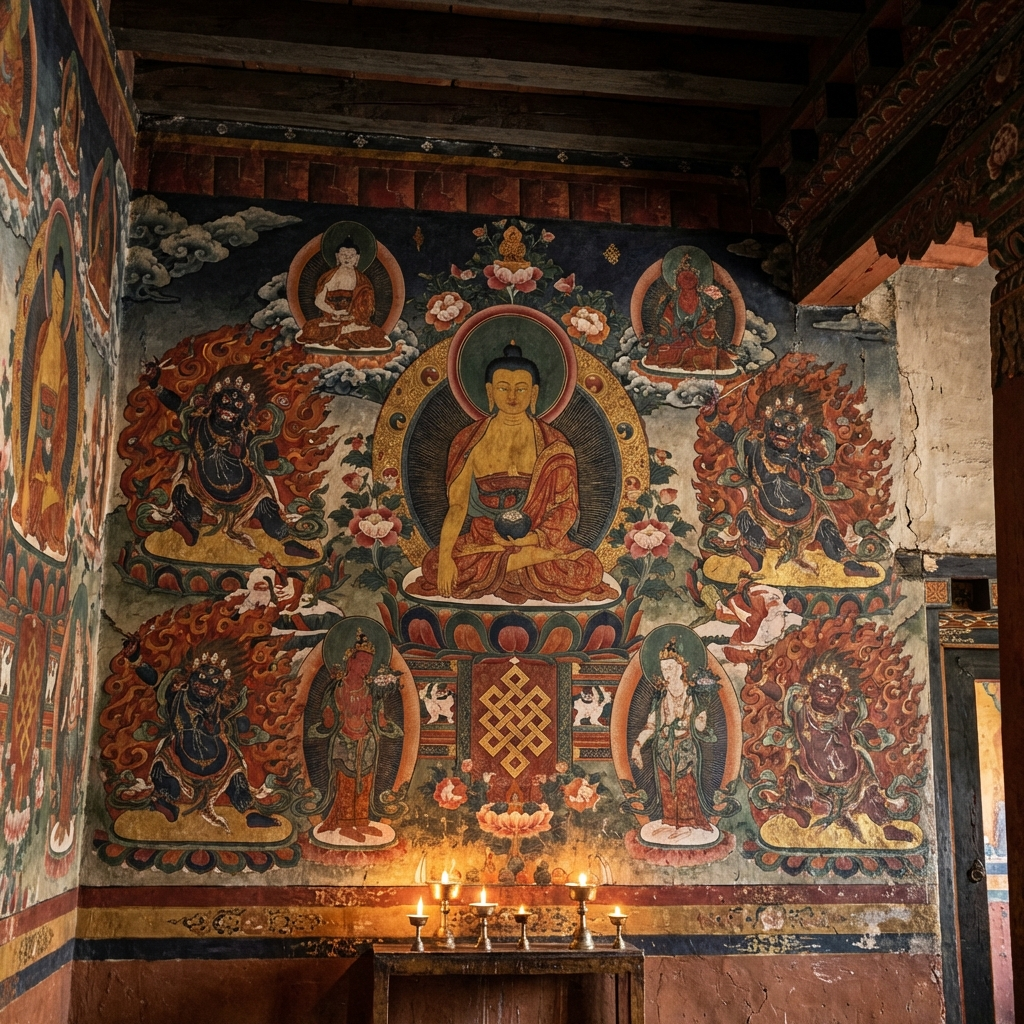
Dzong architecture is an art form in itself, perfected over centuries. Every detail has its meaning – from the slope of the walls designed to withstand earthquakes, to the colors of the ornaments that carry Buddhist symbolism.
This image was generated with AI.
This image was generated with AI.
This image was generated with AI.
Typical Layout of a Dzong
- Outer fortifications with tall stone walls inclined inward for defense
- Massive main gate, often richly decorated with Buddhist motifs
- First courtyard (Dochey) with the administrative area of the district government
- Second courtyard with the religious area and monks' quarters
- Utse (central tower) as the highest building, housing the main temples and shrines
Handcrafted Masterpiece
Traditional dzong architecture completely avoids nails – all wooden connections are held together through ingenious joinery. Intricate wooden carvings adorn windows, doors, and balconies, while colorful murals depict Buddhist deities and legends. In the temples, you'll find elaborate gold and silver ornaments created by generations of craftsmen.
Frequently Asked Questions About Dzongs and Monasteries
Can you visit dzongs without a guide?
No, all international tourists in Bhutan are required to have a licensed guide. There's good reason for this: Your guide not only explains the fascinating history of each dzong but also the important behavioral rules. This helps you avoid unintended mistakes and gain deeper insights.
How much time should you plan for a dzong visit?
Plan between one and two hours depending on the dzong. For large dzongs like Punakha or Trongsa, we recommend at least two hours to explore the various courtyards, temples, and architectural details in peace.
Are all dzongs accessible to tourists?
The major dzongs are open to visitors, though not all areas. The administrative wings where government officials work are generally not accessible. Access may be temporarily restricted during important religious ceremonies or government occasions.
Are there entrance fees for dzongs?
Entrance to most dzongs is included in the Sustainable Development Fee (SDF) that all Bhutan visitors pay. For some museum dzongs like the Ta Dzong in Paro (National Museum), a small additional fee may apply and is paid on-site.
Can you stay overnight in a monastery in Bhutan?
Yes, monastery stays are possible at selected monasteries. These special experiences must be arranged in advance through your travel operator – spontaneous inquiries are not possible. Expect simple but clean accommodations and be prepared for early wake-ups for morning prayers.
When are the dzongs most beautiful to visit?
For photographers, early morning or late afternoon work best, when soft light makes the white walls glow. You'll experience the liveliest atmosphere during a Tshechu festival. Learn more about the best time to visit in our guide.
Experience Bhutan's Dzongs and Monasteries
Let us create a custom route to Bhutan's most beautiful dzongs and monasteries – tailored to your interests and travel dates.
Further Information
This image was generated with AI.
Punakha – The Fertile Valley
Discover the region around Bhutan's most beautiful dzong: subtropical climate, lush rice terraces, and the sacred Chimi Lhakhang.
This image was generated with AI.
Dress and Etiquette in Bhutan
Our comprehensive guide to dress codes and behavioral rules – so you can confidently navigate temple visits and encounters with locals.
This image was generated with AI.
Tshechu Festivals
Experience Bhutan's colorful religious festivals in dzongs: mask dances, centuries-old rituals, and living spirituality.