Request trip
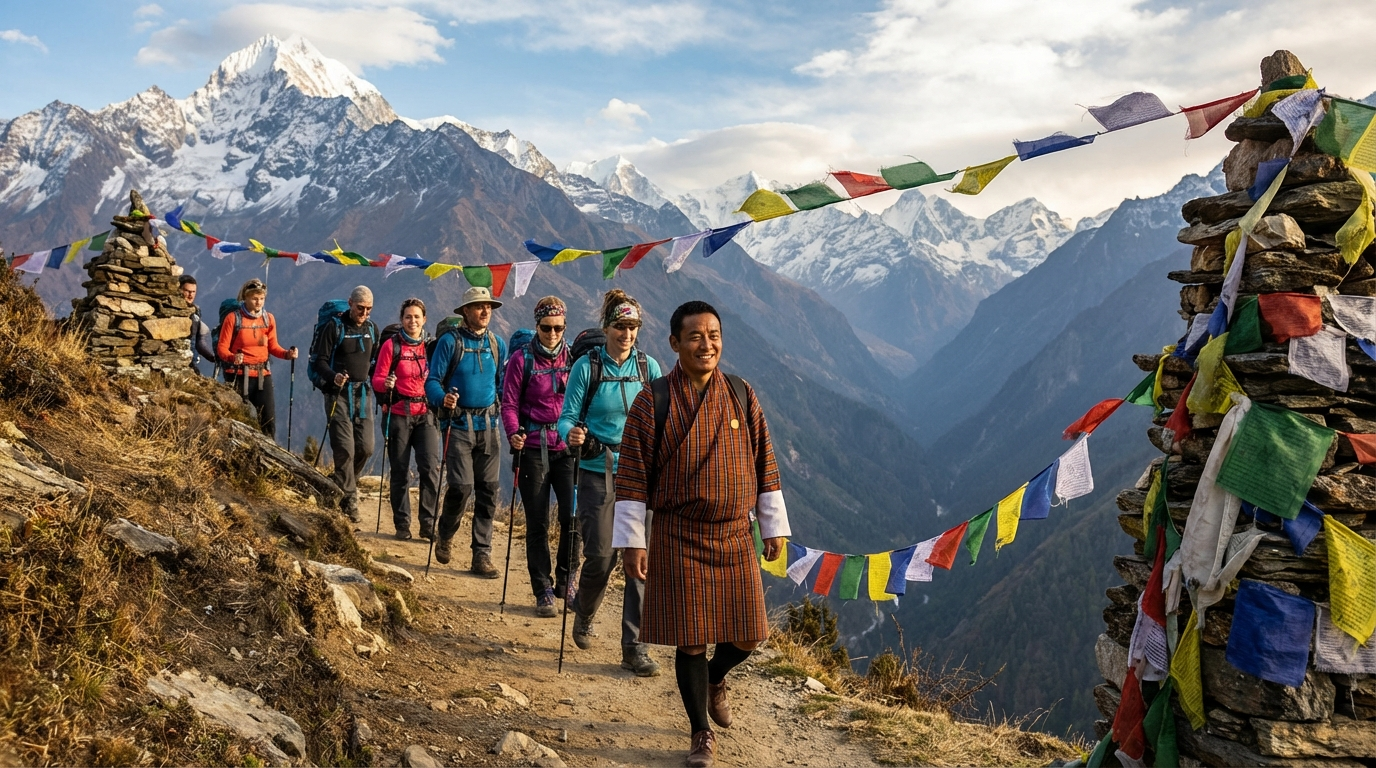
Trekking group on a narrow mountain path in the Bhutanese Himalayas with snow-capped peaks in the background, colorful prayer flags along the trail, and a trekking guide in traditional clothing

Trekking in Bhutan: Untouched Trails in the Himalayas

Where prayer flags flutter in the wind and the mountains still belong to the hikers – experience trekking far from the crowds, with a personal crew and authentic encounters.

Why Bhutan Is a Paradise for Trekkers

Bhutan is 98.8 percent mountainous terrain – making it the most mountainous country in the world. As the first carbon-negative country, it offers air quality you won't find anywhere else. The trekking routes in Bhutan lead through pristine landscapes, past remote monasteries, and through valleys where you won't encounter another hiker for days.

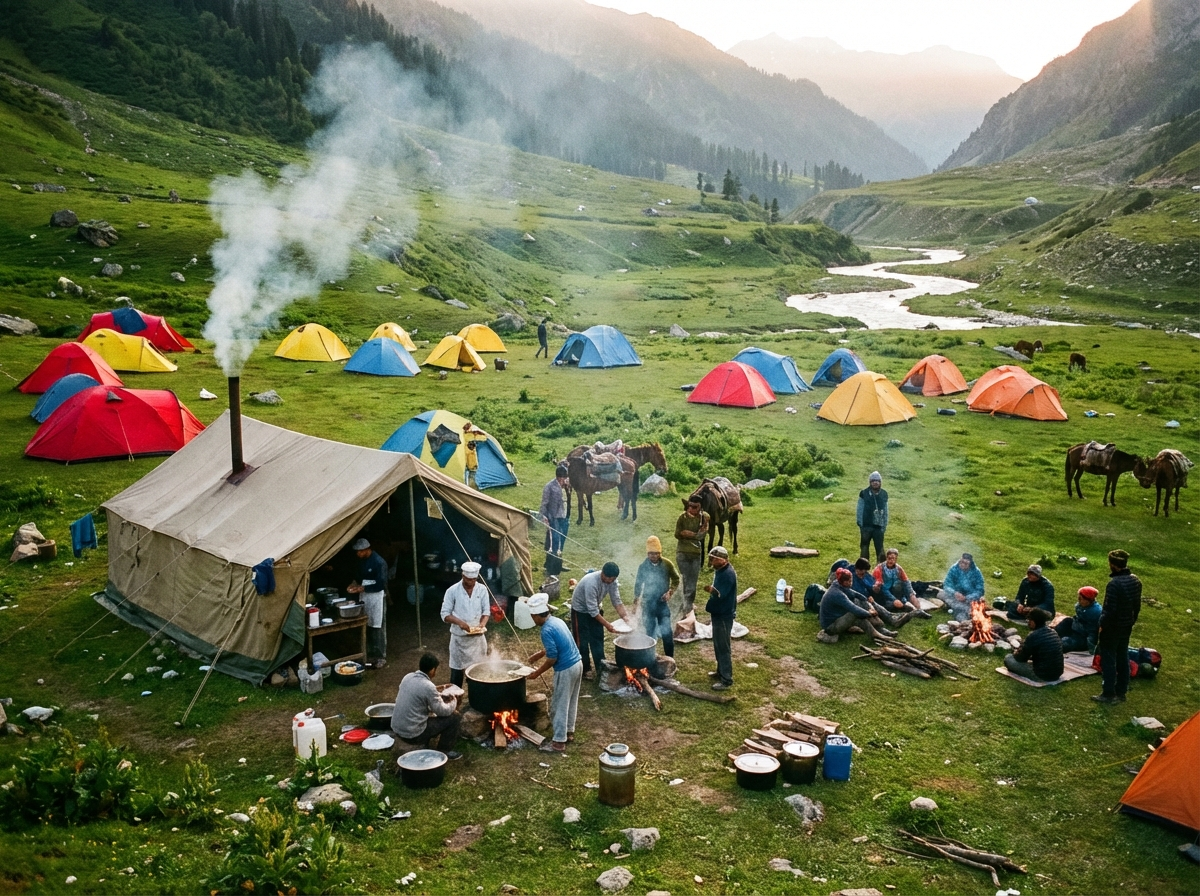
Unlike Nepal, there are no teahouses along the routes in Bhutan. Here, you sleep exclusively in tents – accompanied by an experienced crew of guide, cook, and pack horses. This camping-style trekking may sound more elaborate, but it offers an authentic adventure far from tourist infrastructure.

On this page, you'll find a comparison of the most important trekking routes, all practical information about permits and costs, and tips for optimal preparation for your Bhutan trekking adventure.

The Most Popular Trekking Routes in Bhutan

From beginner routes to the world's toughest challenge

Which Trek Is Right for Me?

The following overview shows all the important trekking routes in Bhutan at a glance. Which trek is right for you depends on your fitness level, available time, and previous trekking experience.

Comparison of the main trekking routes in Bhutan
Trek Duration Max. Altitude Difficulty Best Season Cost (approx.)
Druk Path Trek 4–5 days 4,200 m Moderate Mar–May, Sept–Nov from USD 2,000
Jomolhari Trek 7–11 days 4,930 m Moderate to challenging Mar–May, Sept–Oct from USD 3,000
Laya Gasa Trek 10–14 days 5,000 m Moderate Mar–May, Sept–Oct from USD 3,500
Snowman Trek 25–30 days 5,290 m Extreme Sept–Oct (only 2–3 weeks) from USD 9,000
Trans Bhutan Trail approx. 36 days varies Challenging Spring, Fall individual

The Best Season for Trekking in Bhutan

Bhutan has two main seasons for trekking: spring and fall. Both offer optimal conditions but differ in character. The monsoon from June to August is not suitable for trekking – muddy trails and fog make the treks difficult and dangerous.

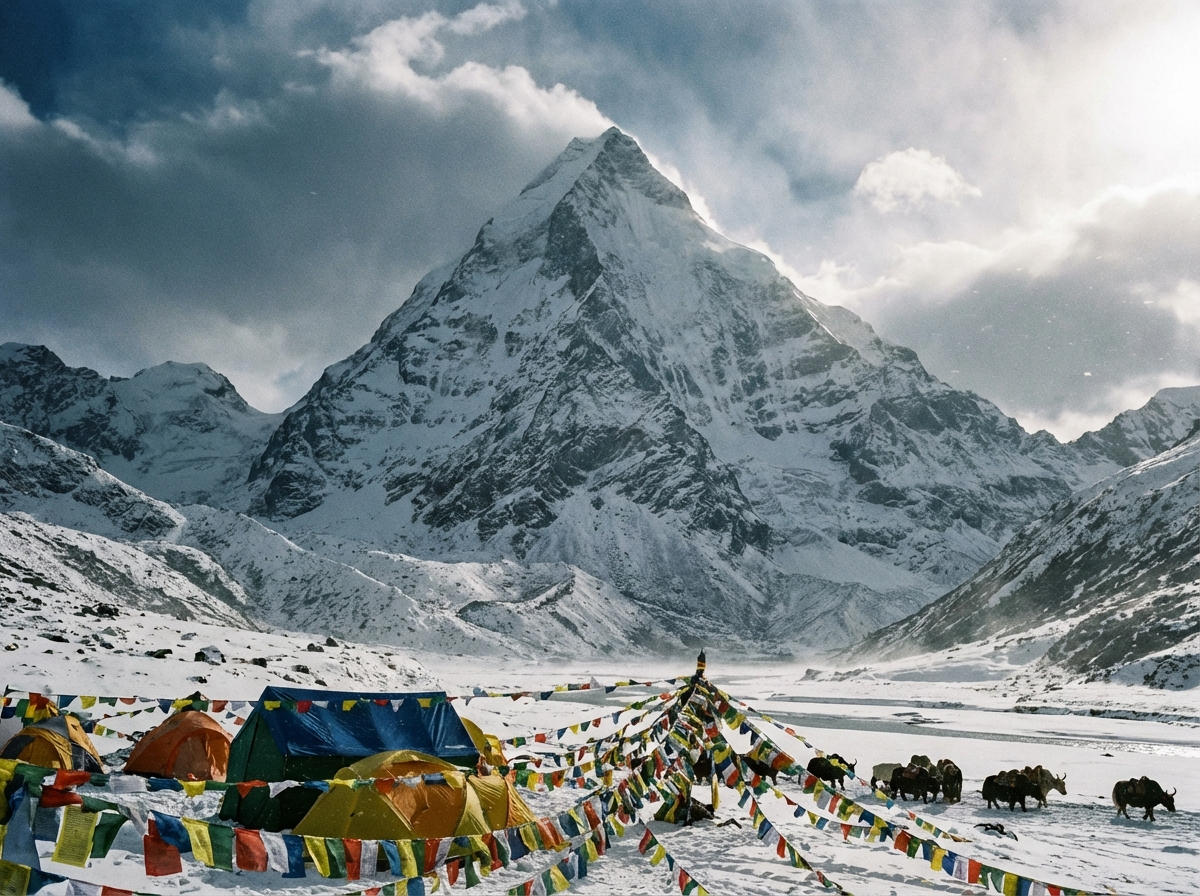
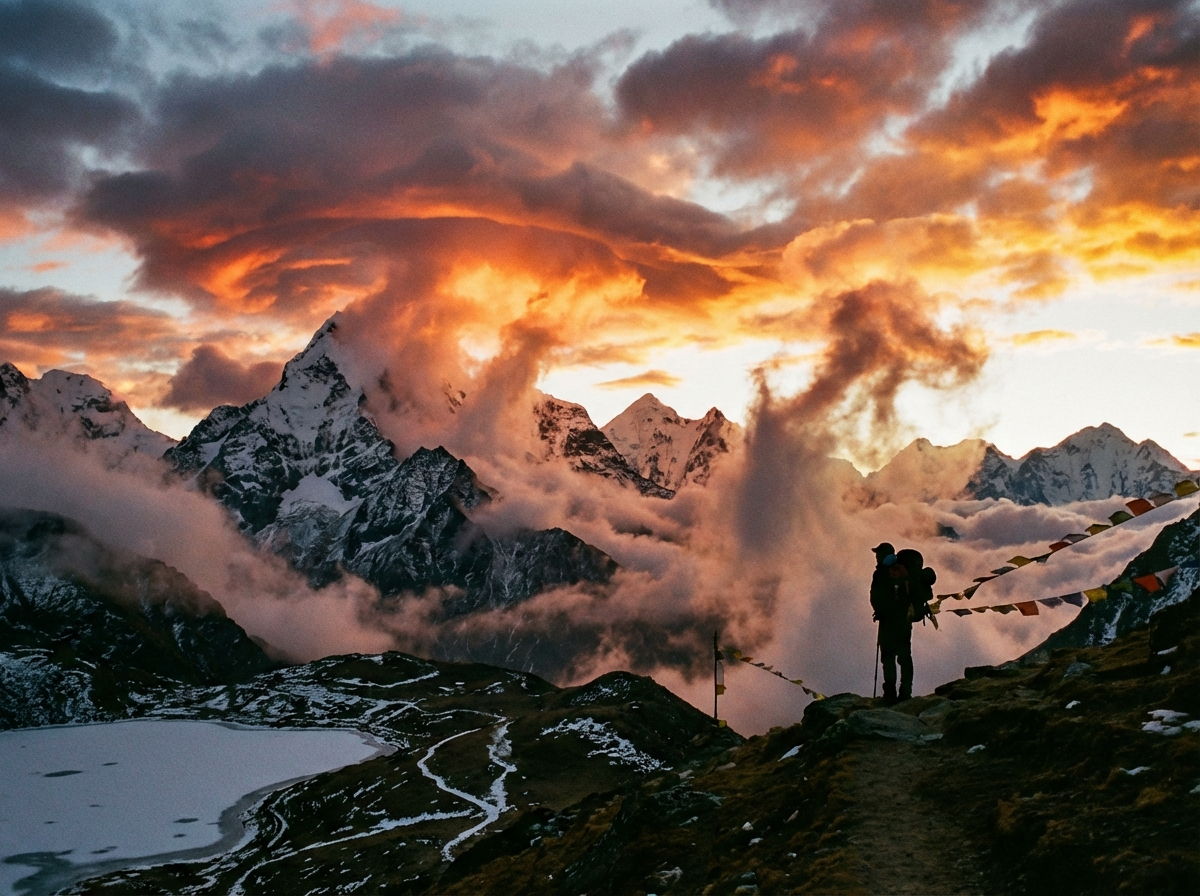
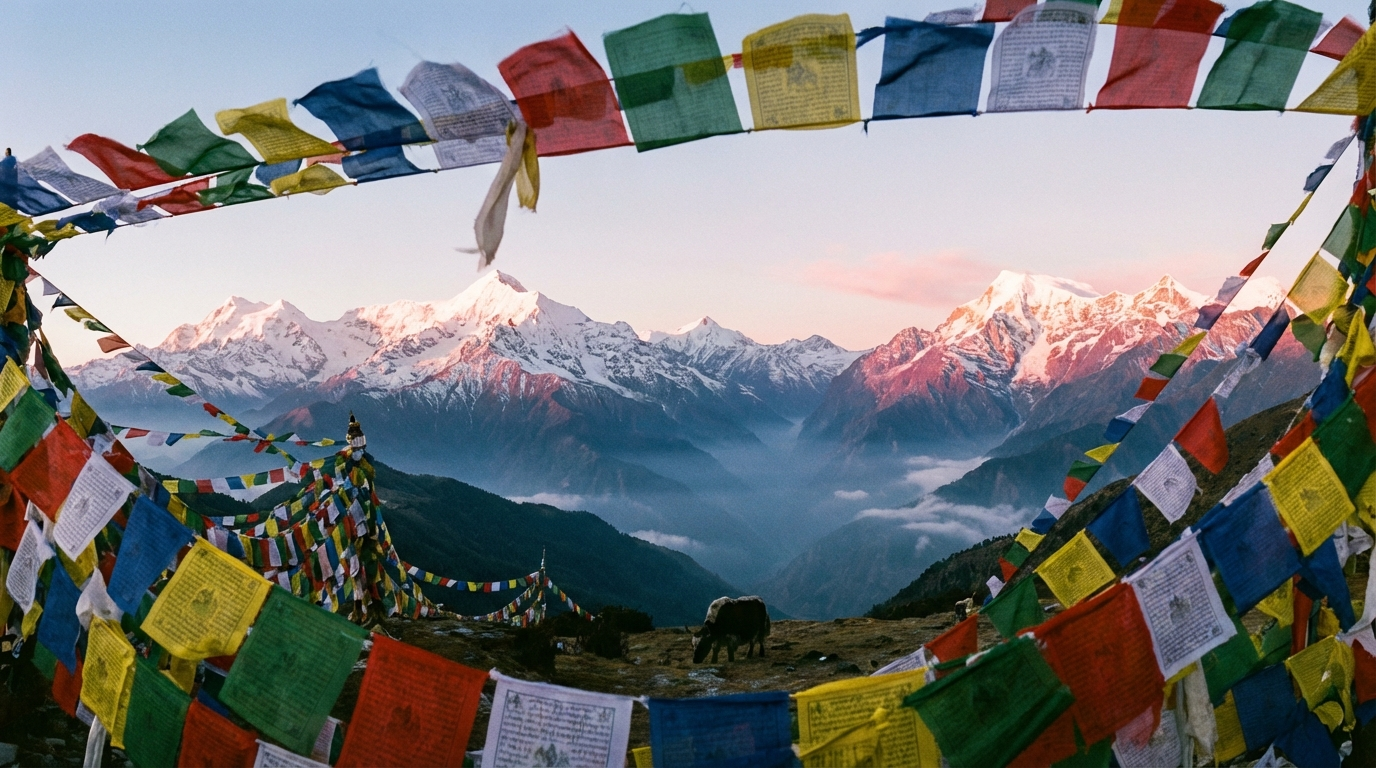
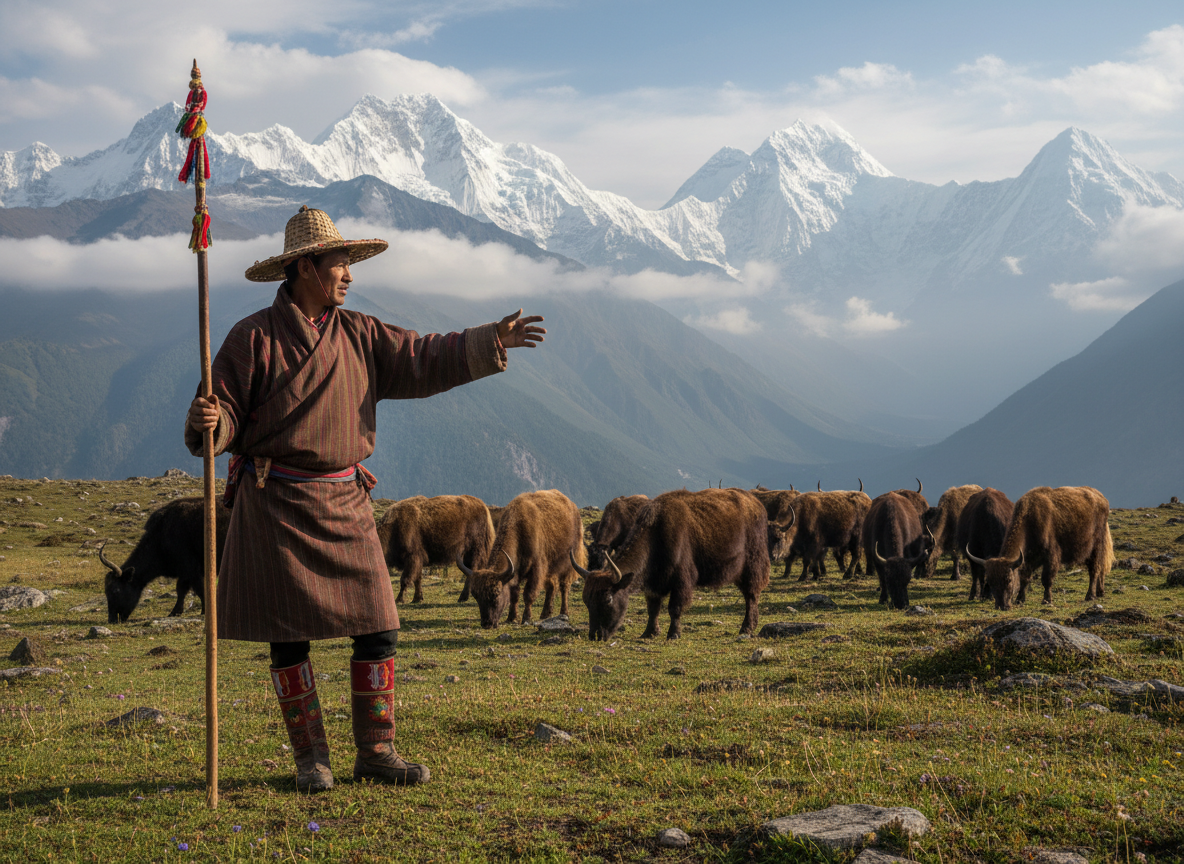
Impressions of Trekking in Bhutan

Pristine nature, dramatic landscapes, unforgettable moments

Guide Requirement and Permit System

Independent trekking on your own is not possible in Bhutan. All treks must be booked through licensed tour operators – a regulation that is part of the Sustainable Tourism concept. This system protects the fragile nature and ensures you are professionally supported in the remote areas.

What's Included in a Trekking Package?

Trekking packages in Bhutan are all-inclusive offers. From arrival to departure, everything is organized so you can focus on what matters: the nature, the encounters, and the adventure.

  • Sustainable Development Fee (SDF): USD 100 per night
  • Visa fee: USD 40
  • Licensed guide, cook, and porters or pack horses
  • Camping equipment (sleeping tents, dining tent, kitchen equipment)
  • All meals during the trek
  • Trekking permits and special permits
  • Transport to the start and end point of the trek

Am I Fit Enough for Trekking in Bhutan?

The requirements vary greatly depending on the chosen trek. An honest self-assessment is crucial – not only for your safety but also for enjoying the experience. Those who overestimate themselves will struggle instead of enjoying.

Fitness requirements by trek category
Trek Category Fitness Level Recommended Preparation
Short Treks (Druk Path) Basic fitness Regular hiking, accustomed to 4–6 hours of walking
Medium Treks (Jomolhari) Good fitness Altitude experience recommended, regular endurance training
Snowman Trek Excellent fitness Altitude trekking experience mandatory, 6+ months training

Altitude Acclimatization – The Key to Success

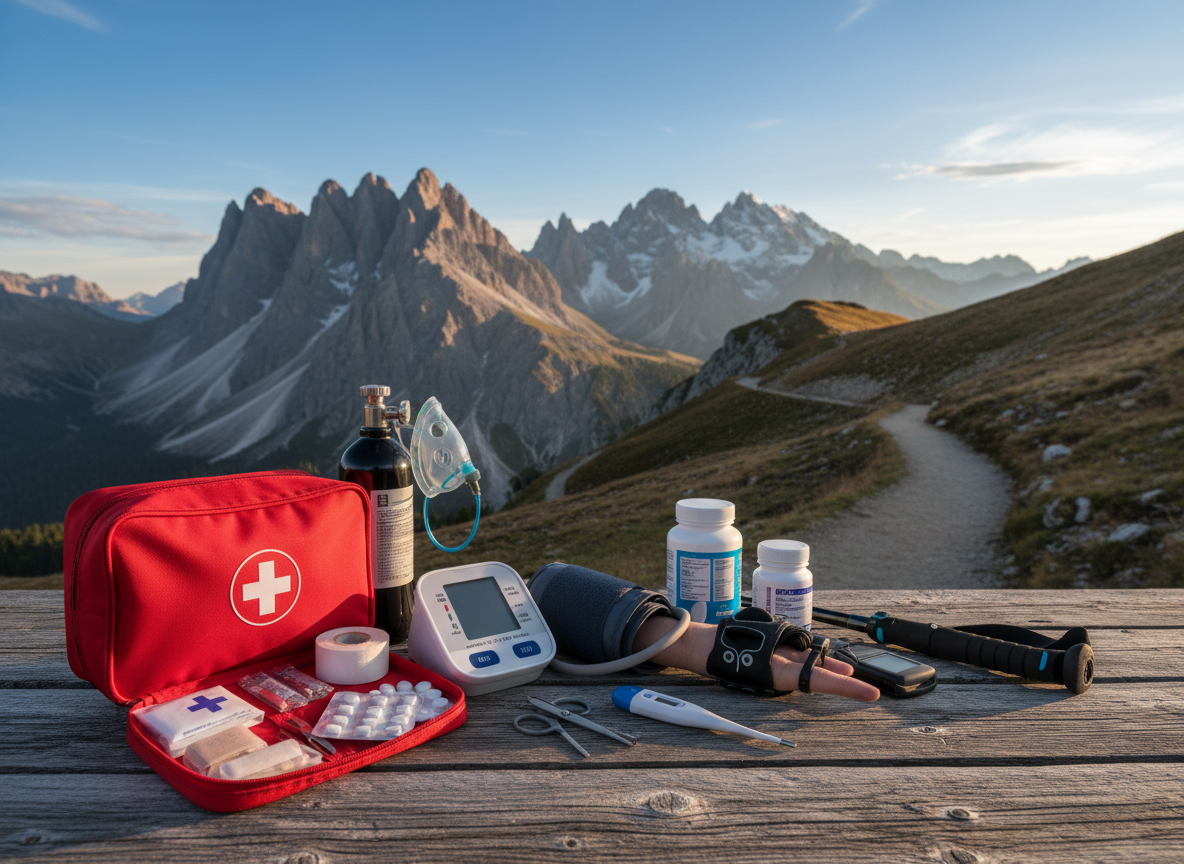
All trekking routes in Bhutan go above 3,500 meters altitude. Above this threshold, altitude sickness (Acute Mountain Sickness) can occur. Typical symptoms include headaches, nausea, and dizziness. The best prevention: slow ascent and drinking plenty of fluids.

Equipment for Trekking in Bhutan

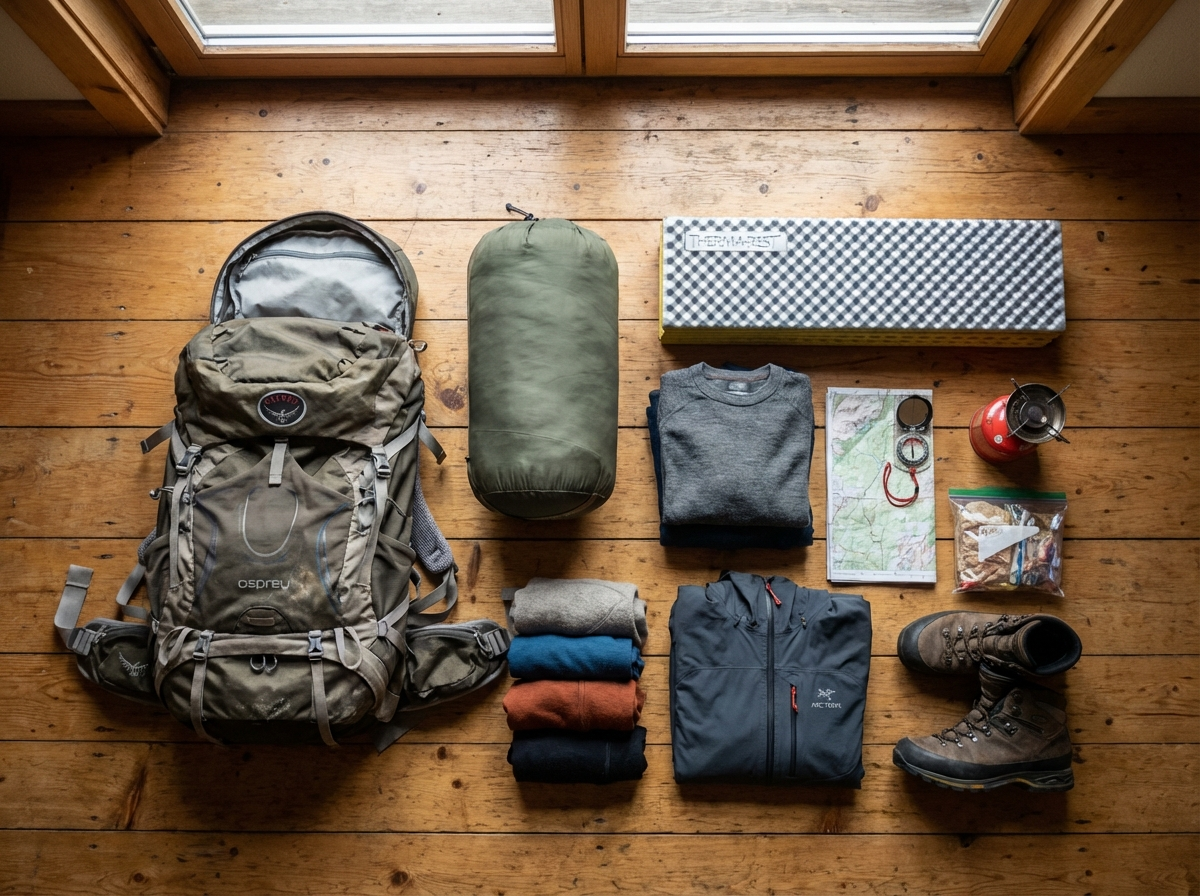
Your tour operator provides the complete camping equipment – however, you must bring your personal trekking gear yourself. Expect large temperature differences: during the day, 12 to 15 degrees Celsius is common, at night temperatures often drop below freezing.

Provided by the Operator

  • Tents (sleeping tents and separate dining tent)
  • Complete kitchen equipment
  • Porters or pack horses for luggage transport

Bring Yourself – Essentials

  • Sleeping bag with comfort temperature down to -15 degrees Celsius
  • Down jacket (essential for cold evenings and passes)
  • Waterproof jacket and pants
  • Layered clothing: base layer, insulation, outer shell
  • Warm hat and gloves
  • Trekking poles
  • Headlamp with spare batteries
  • Sun protection: sunglasses, sunscreen, hat

A complete, printable packing list can be found at Packing List for Your Bhutan Trip.

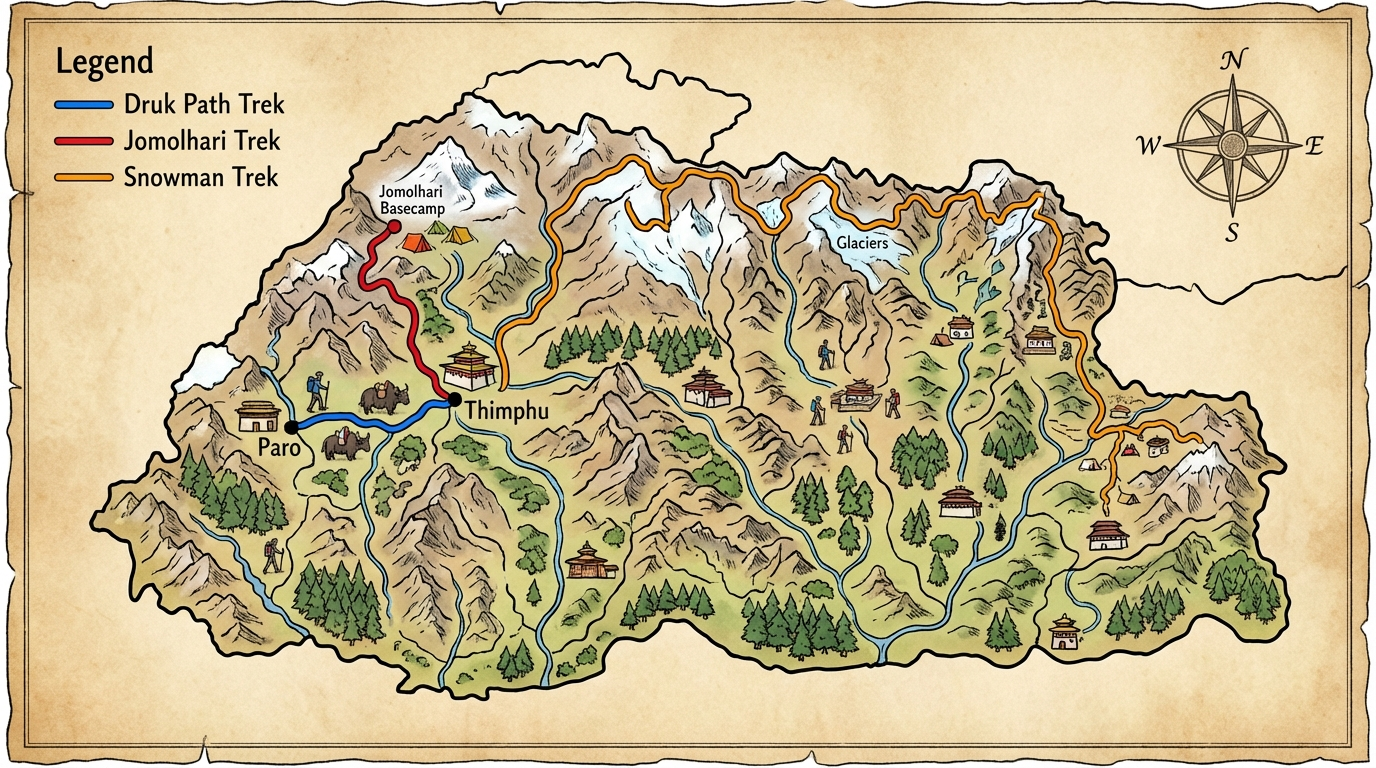
Trekking Routes on the Map

Overview of the most important trekking routes in Bhutan

Illustrated map of Bhutan with marked trekking routes: Druk Path Trek between Paro and Thimphu (blue), Jomolhari Trek in the northwest to the base camp (red), Snowman Trek as a long route through the north (orange), with altitude information and important locations marked
Overview map of trekking routes in Bhutan – from short routes in the west to the legendary Snowman Trek through the north

Frequently Asked Questions About Trekking in Bhutan

Can I trek in Bhutan without a guide?

No, independent trekking without a guide is not allowed in Bhutan. All treks must be booked through licensed tour operators – a regulation that is part of the Sustainable Tourism concept. This requirement serves nature conservation and your safety in the remote high mountain regions.

When is the best time for the Snowman Trek?

The Snowman Trek is only possible in September and October – within a window of just two to three weeks. Outside this time, snow blocks the high passes. Since capacity is limited, we recommend early booking at least six to twelve months in advance.

How much does a trek in Bhutan cost?

Costs vary depending on the duration and difficulty of the trek. The Druk Path Trek starts at approximately USD 2,000, the Jomolhari Trek at approximately USD 3,000, and the Snowman Trek at approximately USD 9,000. These prices include the Sustainable Development Fee, visa, guide, cook, porters, camping equipment, all meals, permits, and transfers. Details can be found at Costs and Budget.

Do I need trekking experience for the Druk Path Trek?

The Druk Path Trek is also suitable for ambitious trekking beginners. What's important is good basic fitness and being accustomed to hikes of four to six hours daily. Altitude experience is an advantage but not mandatory.

Are there teahouses in Bhutan like in Nepal?

No, there is no teahouse infrastructure along the trekking routes in Bhutan. Here, you sleep exclusively in tents. This makes the treks more original and authentic but requires different logistics with pack horses and a complete support crew.

What communication options are available on the trail?

There is no mobile phone reception in the remote trekking regions. For longer treks like the Snowman Trek, the guide should have a satellite phone for emergencies. Be sure to clarify this point with your operator when booking.

Is November a good time for trekking?

Yes, November is among the best trekking times in Bhutan. The fall season offers clear views of the mountains, pleasant daytime temperatures, and stable weather conditions. However, note that nights can already be very cold during this time – appropriate equipment is important.

Plan Your Trekking Trip

This information will help you with your preparation

Ready for Your Trekking Adventure in Bhutan?

Let our trekking experts advise you and find the perfect trek for your fitness level and preferences.