Snowman Trek Bhutan - The World's Hardest Trek (25+ Days)
Snowman Trek at a Glance
The Snowman Trek: The "Everest of Trekking"
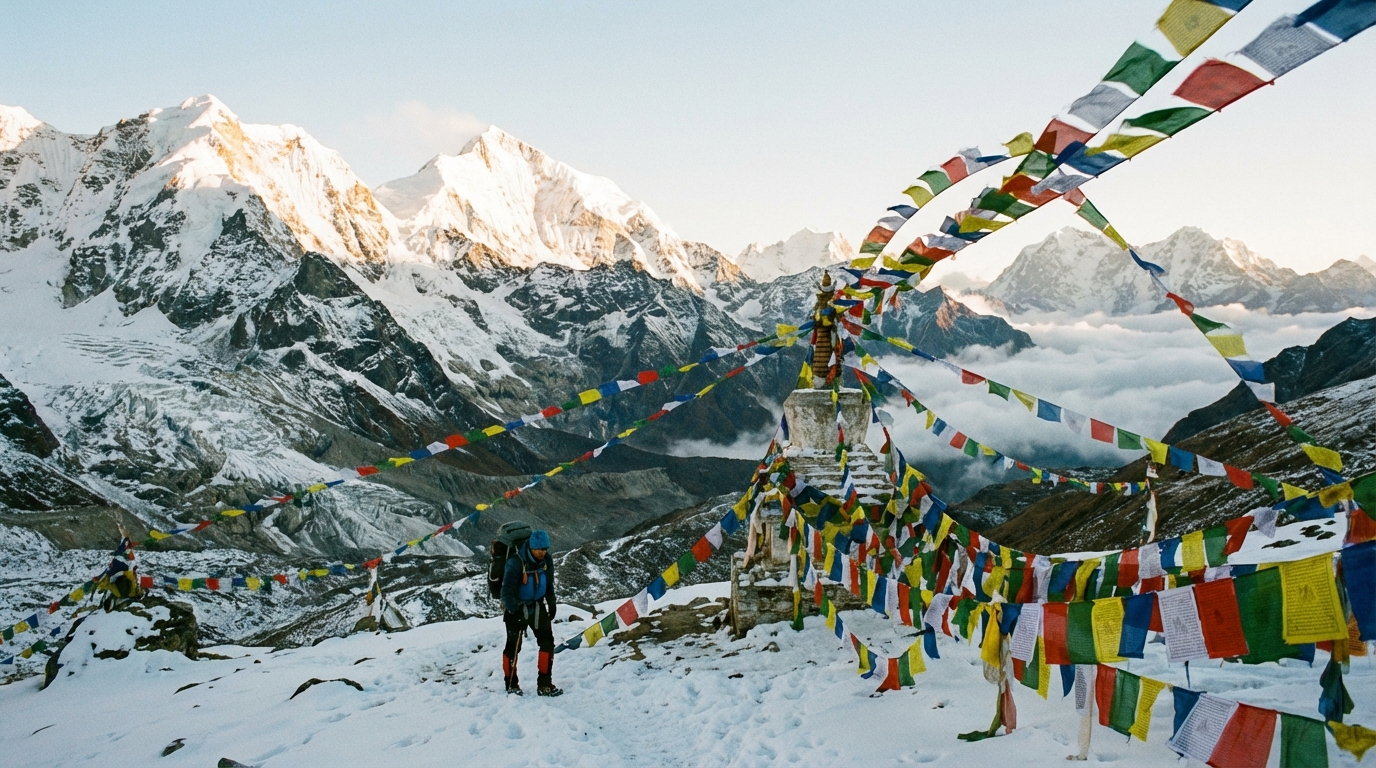
The Snowman Trek earns its reputation as the "Everest of trekking" not through technical climbing but due to its extreme length, sustained physical demands, and unprecedented isolation. More people have summited Mount Everest than have successfully completed this legendary trek. Those who take on this challenge enter a world beyond ordinary trekking experiences.
Why Only 50 Percent Finish
The reasons for the low success rate are varied: sudden weather storms block passes and make progress impossible. Altitude sickness forces participants to turn back. The combination of physical and mental exhaustion after weeks in the high mountains takes its toll. Add to this the extremely narrow weather window of just two to three weeks per year. Not finishing the Snowman Trek is no shame – nature has a say, and it is unforgiving.
The Route Through the "Land of the Yeti"
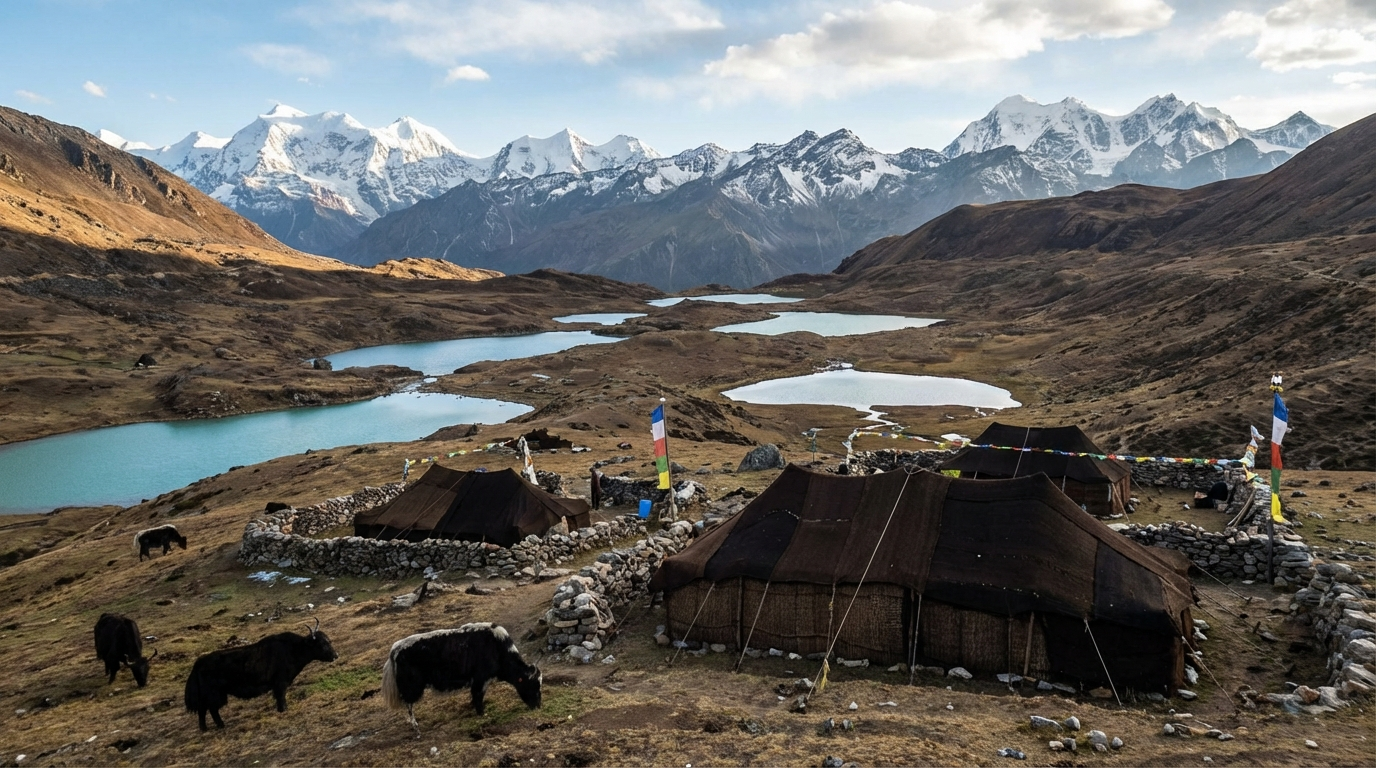
From Paro, the route follows the Bhutan-Tibet border through the Jigme Dorji National Park to the legendary Lunana Plateau. This region, also called the "Land of the Yeti," is one of the world's most remote inhabited areas. Between the few villages lie days of hiking. There are no roads, no hospitals, no quick rescue. The isolation is total – and that is precisely what makes this trek's unique atmosphere.
This image was generated with AI.
Why Is the Snowman Trek So Difficult?
The Snowman Trek's difficulty stems not from technical climbing but from the combination of duration, altitude, isolation, and extreme conditions. Each factor alone would be manageable for experienced trekkers – together they form one of the greatest challenges in trekking worldwide.
The Duration: A Marathon, Not a Sprint
25 to 30 consecutive days on the trail. Daily 15 to 25 kilometers, five to eight hours of hiking. Physical exhaustion accumulates over weeks and cannot simply be slept away. Add to this the mental strain: weeks of the same routine, complete isolation from the outside world, days that blur together. This monotony grinds down even experienced trekkers.
The Altitude: Constantly Over 4,000 Meters
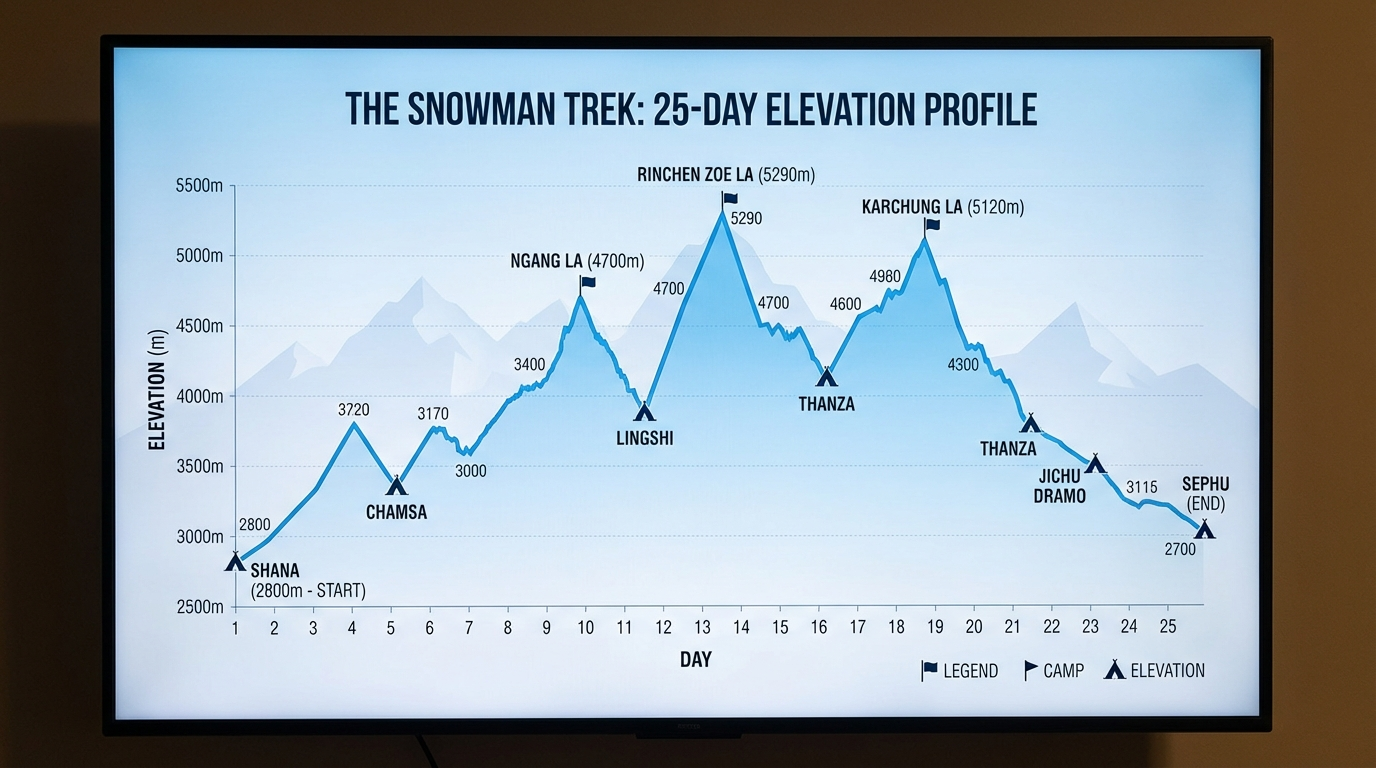
The trek starts at about 2,800 meters and then leads for weeks through altitudes between 4,000 and 5,000 meters. 11 to 14 passes over 4,000 meters must be crossed, including Rinchen Zoe La at 5,290 meters. The total elevation gain of over 16,000 meters in climbing and descent is almost twice Everest's height from sea level. Altitude sickness is a constant companion.
The Isolation: No Rescue in Sight
In the Lunana region, there are no roads, no hospitals, often only satellite phone for communication. Helicopter evacuation is weather-dependent and can take days – if it's possible at all. Whoever becomes seriously ill or injured here faces a grave problem. The crew of guide, cook, and porters is the only support available.
The Weather: Highly Unpredictable
Even during the short weather window, snowstorms can occur. Temperatures drop well below freezing at night. Long stretches cross exposed passes with no shelter. A sudden winter storm can block passes and end the trek abruptly – regardless of how much you've already invested.
Snowman Trek Route and Elevation Profile
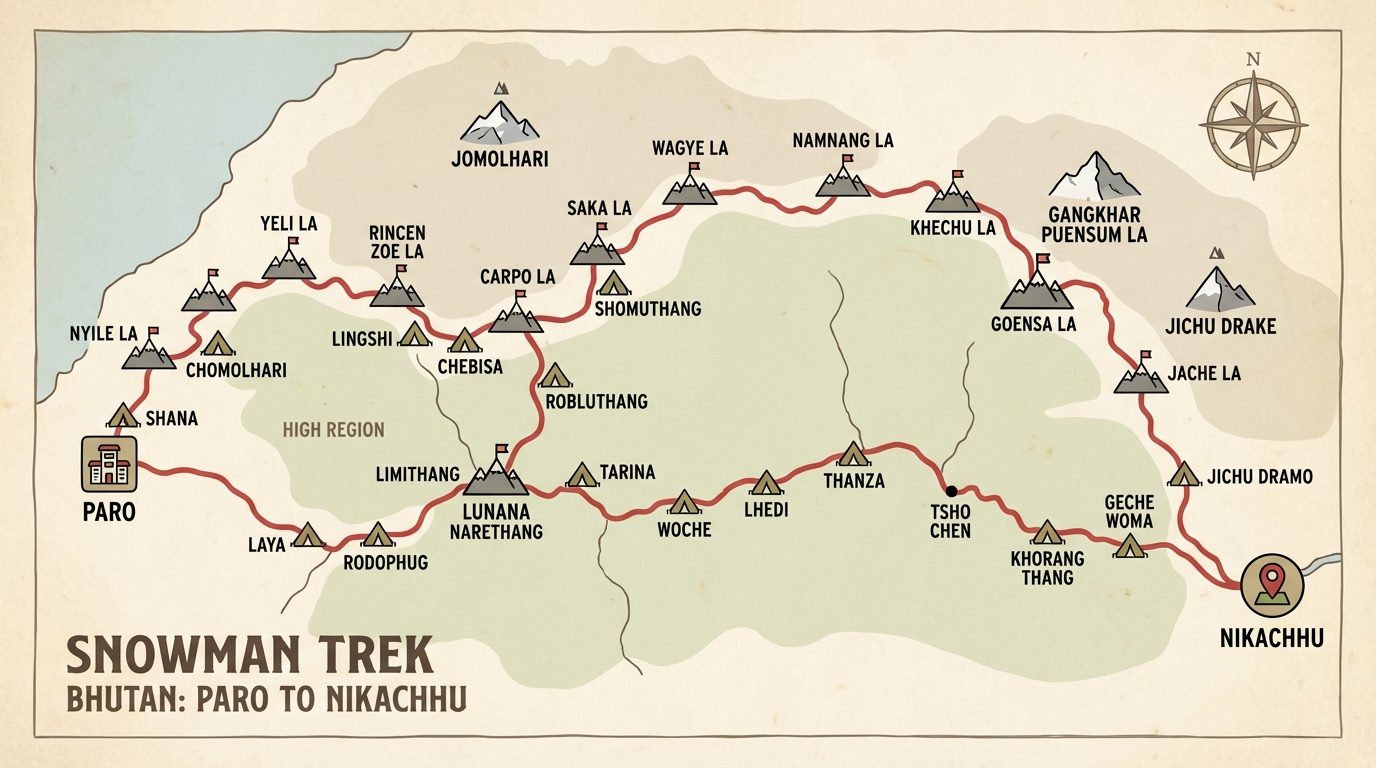
The Snowman Trek runs west to east through Bhutan, along the Tibetan border. The route crosses three distinct phases: the western section with a similar route to the Jomolhari Trek, the remote Lunana Plateau as the centerpiece, and the eastern descent to Bumthang or Trongsa.
This image was generated with AI.
The Three Phases of the Trek
Phase 1: Western Section (Days 1–7)
Start at Shana near Paro. The first section follows a similar route to the Jomolhari Trek and leads to the legendary Jangothang Basecamp with direct views of the majestic Jomolhari (7,326 m). Continuing through Lingshi. This phase provides crucial acclimatization for what lies ahead.
Phase 2: Laya and Lunana (Days 8–15)
The village of Laya offers one of the last encounters with settled populations – the Layap with their fascinating culture. Then comes entry to the Lunana Plateau, the trek's heart. The highest passes await here: Gangla Karchung La at 5,090 meters. For days you pass no villages – only wilderness, glacial lakes, and occasionally yak herders.
Phase 3: Eastern Descent (Days 16–24+)
Rinchen Zoe La at 5,290 meters marks both the highest point and the turning point of the trek. The gradual descent passes through changing landscape zones – from barren high plateau back to forested valleys. The end at Nikachhu (Trongsa) or Sephu means return to civilization after weeks of remoteness.
Important Elevation Points
| Location | Elevation | Phase |
|---|---|---|
| Start Shana | approx. 2,800 m | Phase 1 |
| Jangothang Base Camp | 4,080 m | Phase 1 |
| Lingshi | 4,010 m | Phase 1 |
| Laya Village | 3,840 m | Phase 2 |
| Gangla Karchung La | 5,090 m | Phase 2 |
| Lunana Plateau (average) | 4,200–4,500 m | Phase 2 |
| Rinchen Zoe La (highest point) | 5,290 m | Phase 3 |
| End Nikachhu | approx. 3,100 m | Phase 3 |
This image was generated with AI.
Snowman Trek Itinerary: 25–30 Days Through the High Mountains
The following itinerary shows a typical progression over 24 to 30 days. Depending on weather, group fitness, and acclimatization needs, rest days can be added or stages adjusted. The division into three phases aids orientation and understanding of the route.
Phase 1: Western Section (Days 1–7) – Paro to Lingshi
Day 1: Paro – Shana – Thang Thangkha
Drive from Paro to the starting point Shana at 2,850 meters. The trek begins along the Paro Chhu river through dense forest. This is the longest stage of the entire trek – a demanding introduction that deserves respect. The camp is at 3,610 meters. First acclimatization to trek life.
- Distance: 22 km
- Hiking Time: 7–8 hours
- Camp Elevation: 3,610 m
Day 2: Thang Thangkha – Jangothang Base Camp
Climb to the legendary Jangothang Basecamp at 4,080 meters. Here, the majestic Jomolhari (7,326 m) comes into view for the first time – one of Bhutan's sacred mountains. Ruins of an old fortress and spectacular high altitude scenery characterize this place.
- Distance: 19 km
- Hiking Time: 5–6 hours
- Camp Elevation: 4,080 m
Day 3: Rest Day in Jangothang
An essential acclimatization day. Optional day hikes lead to Jomolhari's glaciers or nearby viewpoints. Time for rest and mental preparation for the weeks ahead.
Days 4–5: Jangothang – Lingshi
Crossing Nyile La Pass at 4,820 meters – the first of many high passes. Descent to Lingshi with its historic Dzong high above the valley. Encounters with yak herders on the high pastures characterize this stage.
- Highest Point: Nyile La, 4,820 m
- Lingshi Camp: 4,010 m
Days 6–7: Lingshi – Preparation for Lunana
More passes and the final stages before true wilderness begins. Last opportunity for mental preparation before the trek's main part. From here, isolation noticeably increases.
Phase 2: Laya and Lunana (Days 8–15) – The Heart of the Trek
Days 8–9: Arrival in Laya
The village of Laya at 3,840 meters is home to the Layap – a fascinating ethnic group with their own language and traditions. The women wear distinctive conical bamboo hats. Laya is the last major settlement before Lunana and offers the last chance to stock up supplies or interact with the local population.
- Laya Elevation: 3,840 m
- Cultural Significance: Meeting the Layap and their time-honored lifestyle
Days 10–12: Entry Into the Lunana Plateau
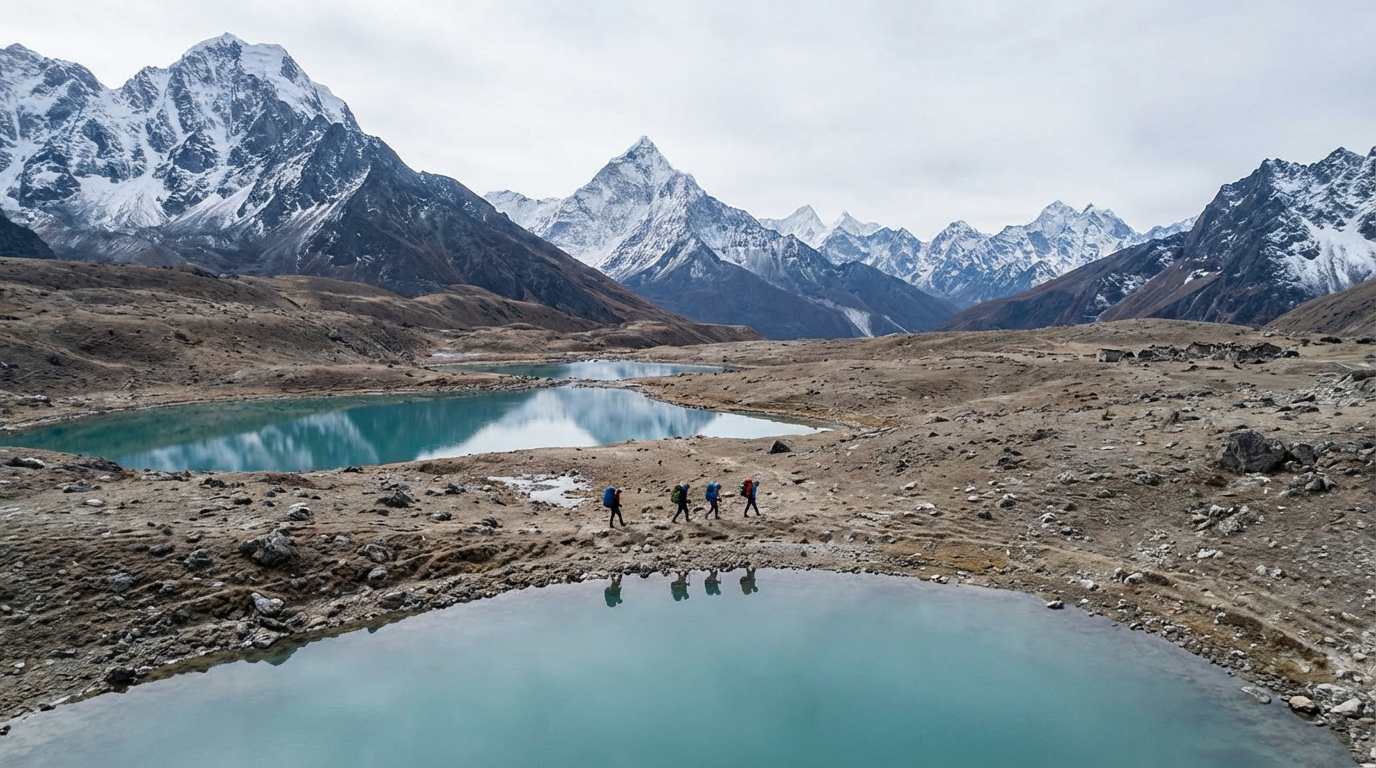
Crossing Gangla Karchung La at 5,090 meters – one of the trek's most demanding passes. Beyond lies the mystical Lunana, the "Land of the Yeti". For days you pass no villages, only high plateau wilderness. Glacial lakes shimmer in surreal blues, snow-capped peaks over 7,000 meters line the horizon.
- Highest Pass in This Phase: Gangla Karchung La, 5,090 m
- Landscape: Glacial lakes, 7,000-meter peaks, absolute wilderness
Days 13–15: Crossing Lunana
The trek's loneliest days. Daily pass crossings demand everything. Encounters with yak nomads are rare and become special moments. The isolation is total – no villages, no infrastructure, only you and your group amid spectacular yet unforgiving landscape.
This image was generated with AI.
Phase 3: Eastern Descent (Days 16–24+) – Toward the Goal
Days 16–18: The Highest Point
Crossing Rinchen Zoe La Pass at 5,290 meters – the trek's highest point and an emotional milestone. From here, the gradual descent begins. The hardest phase lies behind you, yet exhaustion makes every stage challenging.
- Rinchen Zoe La: 5,290 m – highest point of the trek
- Significance: Turning point and psychological milestone
Days 19–22: Descent Through Changing Zones
Gradual descent through different vegetation zones. Trees return, temperatures warm. Physical exhaustion after weeks in the high mountains is noticeable, yet knowing the goal is near provides new strength.
Days 23–24+: Arrival at the Finish
End at Nikachhu (Trongsa) or Sephu. The transfer to the road marks return to civilization. Time for reflection on what you've achieved. We recommend planning at least one rest day for recovery – your body and mind have accomplished something extraordinary.
- Endpoint: Nikachhu (approx. 3,100 m) or Sephu
- Transfer: Drive to Bumthang or Thimphu
Typical Daily Stage
| Aspect | Average | Maximum |
|---|---|---|
| Hiking Time | 5–7 hours | 9+ hours |
| Distance | 15–20 km | 25 km |
| Elevation Gain | 600–800 m | 1,200 m+ |
Best Time to Trek the Snowman Trek 2026
The Snowman Trek has the shortest weather window of all major Himalayan treks. Only two to three weeks per year are the conditions even feasible. Outside this window, the trek is simply not doable – passes are either impassable from the monsoon or blocked by winter.
The Optimal Time Window
Ideally, start the trek between September 20 and 25. This leaves enough buffer for unforeseen weather changes. Early October starts are possible but carry higher risk. Booking should happen at least six to twelve months in advance – the few experienced operators have limited capacity.
Why This Exact Window?
| Time Period | Conditions | Recommendation |
|---|---|---|
| June–August | Monsoon: Rain, clouds, snow on passes, poor visibility | Not Possible |
| Early September | Monsoon aftermath, unpredictable weather | Risky |
| Late Sept. – Mid Oct. | Post-monsoon, pre-winter: clear days, open passes | Optimal Window |
| Late October | Winter threatens, snowstorms possible | Risky |
| November–May | Winter: Passes blocked by snow, extreme cold | Not Possible |
Planning for 2026
Recommended start dates for 2026 season: September 20 to 25. Booking should happen by January 2026 at the latest. Experienced operators have limited capacity for this demanding trek. Group size is typically four to eight people.
Requirements: Who Can Do the Snowman Trek?
The Snowman Trek is not for everyone. It targets very experienced and extremely fit trekkers who understand what they're getting into. Honest self-assessment is crucial – not just for success, but for your safety and that of your group.
Physical Fitness
- Excellent baseline physical fitness required
- Ability to hike eight or more hours per day – for weeks
- Strength for steep climbs and descents with a light daypack
- Endurance for daily exertion over 25 to 30 days
Previous Experience
Prior high altitude trekking experience is mandatory. You should have completed several high altitude treks, have experience at elevations over 5,000 meters, and know your own reaction to sustained altitude exposure. The Snowman Trek is not a learning project – it demonstrates what you've learned from previous treks.
Minimum Recommended Preparation:
- At least two to three multi-day high altitude treks (e.g., Nepal, Alps)
- Experience at elevations over 5,000 m
- Knowledge of your own altitude response and any issues
- Experience camping under extreme conditions
Mental Strength
Physical challenge is only part of it. Weeks of isolation from the outside world, the monotony of daily routine, uncertainty about weather, and intense group dynamics with the same people for a month – all of this demands psychological resilience. If you frustrate easily or cannot tolerate solitude, you'll struggle on the Snowman Trek.
Can I Do the Snowman Trek Solo?
No. In Bhutan, a licensed guide is required for all treks. For the Snowman Trek, this is absolutely sensible and necessary. The logistics require a large crew of 10 to 20 people, pack animals or yaks, and professional organization. "Solo trekking" in the Western sense doesn't exist in Bhutan – and would be life-threatening on the Snowman Trek.
Snowman Trek Costs: What Does the World's Hardest Trek Cost?
The Snowman Trek ranks among the world's most expensive treks. The price range is USD 9,000 to 15,000+ per person. This reflects the extreme logistics, long duration, and remoteness of the route. The price reflects the enormous effort behind this adventure.
Price Factors
| Item | Estimated Costs | Explanation |
|---|---|---|
| Sustainable Development Fee (SDF) | USD 2,500–3,000 | 25–30 nights x USD 100 |
| Trekking Permits | Included in Package | Multiple permits for different regions required |
| Guide and Crew | Included in Package | Experienced leader, cook, porters (10–20 people) |
| Pack Animals/Yaks | Included in Package | 15–20 animals for equipment and supplies |
| Camping Equipment | Included in Package | High-quality expedition tents, kitchen tent, chairs, tables |
| Meals | Included in Package | All meals for 25–30 days |
Why So Expensive?
Extreme logistics in a region without roads drive up costs. A large crew is required: cook, porters, yak herders. 15 to 20 pack animals or yaks must be rented for a month. Supplies for 30 days must be carried throughout. The remote supply situation and trek's length explain the high price.
Additional Costs (Not Included in Package)
- International flights (EUR 800–1,500)
- Travel insurance with helicopter evacuation (mandatory, approx. EUR 100–300)
- Personal gear (sleeping bag, clothing – invest in quality)
- Tips for the crew (USD 200–400 recommended)
- Pre- and post-trek programs in Bhutan
Snowman Trek Highlights: Why the Effort Is Worth It
Despite – or because of – the extreme challenges, the Snowman Trek offers experiences possible nowhere else on Earth. Completing it means joining a small group of people who have achieved something extraordinary. The memories and sense of accomplishment last a lifetime.
Spectacular Landscapes
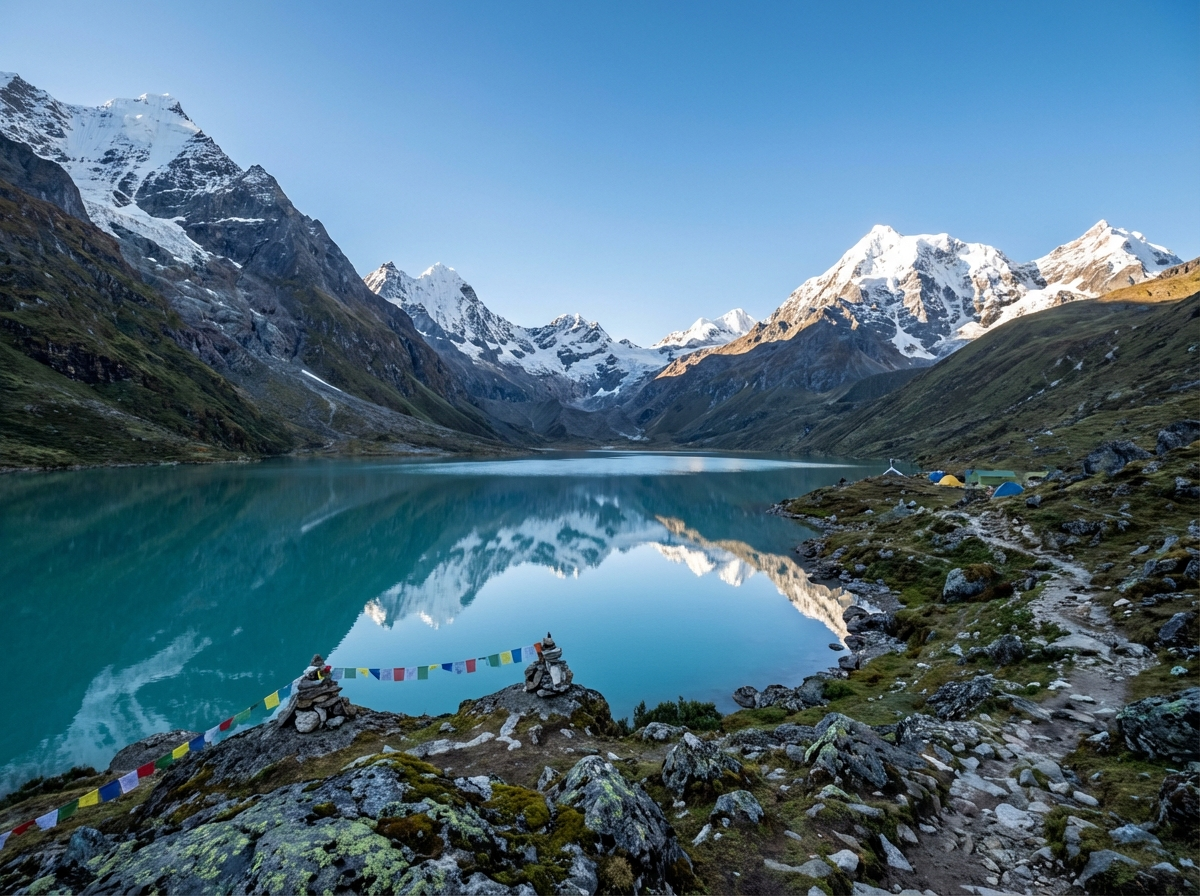
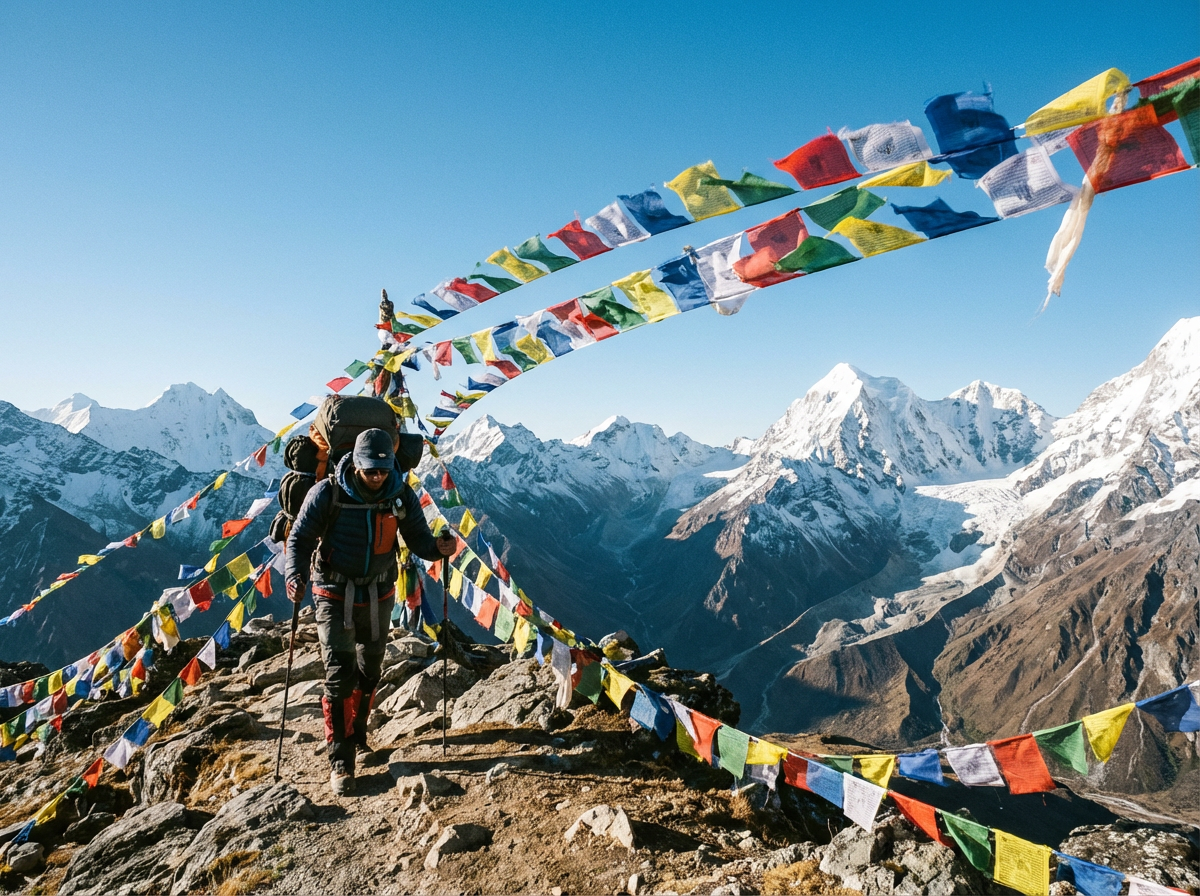
Pristine wilderness you rarely experience elsewhere. Glacial lakes shimmer in surreal blue tones. Snow-capped 7,000-meter peaks seem within reach. Endless high plateaus stretch to the horizon. Panoramas typically known only from expedition reports become daily reality here.
This image was generated with AI.
This image was generated with AI.
This image was generated with AI.
Cultural Encounters
In Laya village, you meet the Layap – a fascinating ethnic group with their own language and traditions. The women wear distinctive conical bamboo hats; their lifestyle has changed little over centuries. On the high plateaus, you encounter yak herders leading a nomadic life almost forgotten in our modern world.
Personal Transformation
Completing the Snowman Trek means mastering one of trekking's most extreme challenges. It's a transformative experience bringing personal growth. You become part of a small community of people who've achieved something unavailable to most. This experience shapes you – and the memories stay with you forever.
Health and Safety on the Snowman Trek
Altitude Sickness: The Biggest Risk
On the Snowman Trek, altitude sickness (AMS) is a constant companion. Days at elevations over 4,500 to 5,000 meters make acclimatization a permanent challenge. AMS can affect anyone – regardless of fitness or prior experience. Your body's response to altitude is individual and cannot be fully predicted.
Evacuation: A Serious Topic
In Lunana there are no hospitals, no roads, no quick help. Helicopter evacuation is weather-dependent and can take days before flying is possible. The nearest hospital may be a week's hike away. This reality should be fully understood by every participant before starting the trek.
Medical Preparation
- Thorough consultation with a travel medicine doctor before departure
- High altitude medications (Diamox) after medical consultation
- Comprehensive personal medical kit
- Clear communication with guide about any pre-existing conditions
- Travel insurance with unlimited evacuation coverage
Gear and Equipment for the Snowman Trek
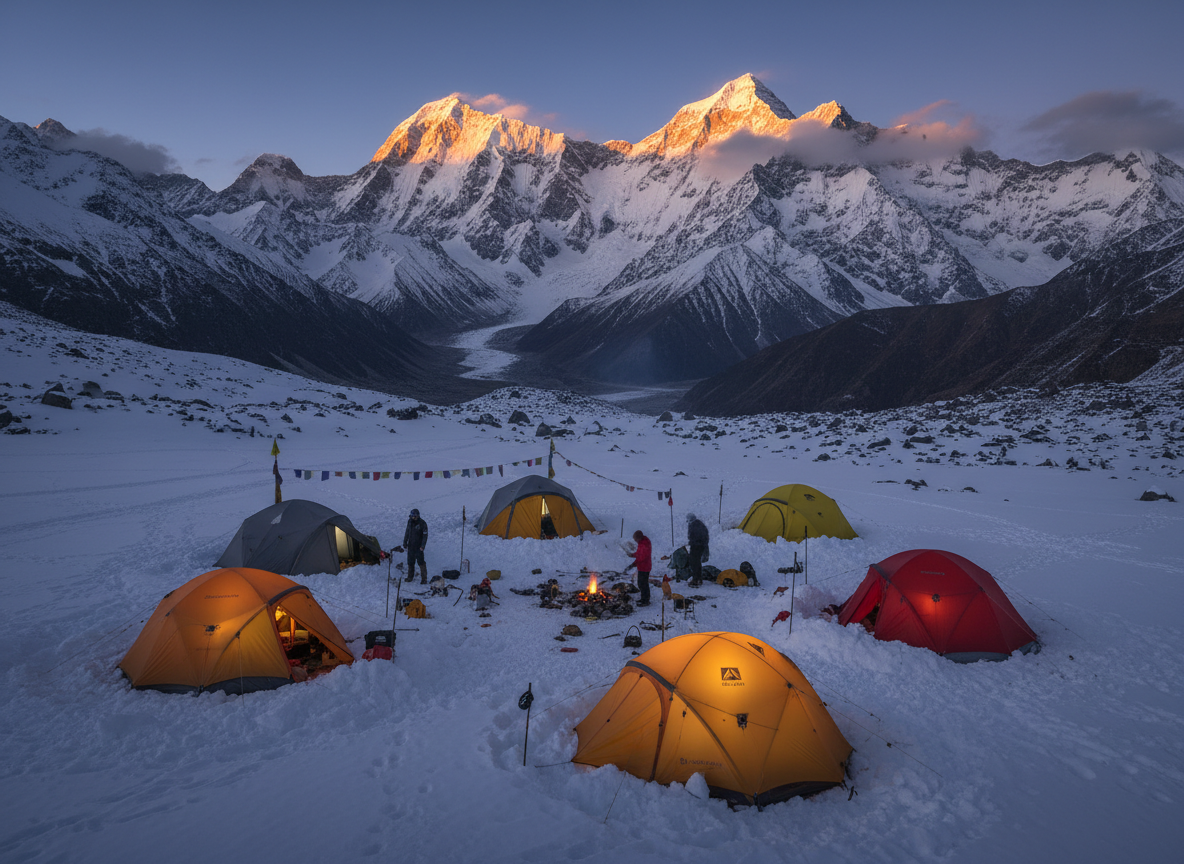
Gear for the Snowman Trek must meet the highest standards. Nights with temperatures down to minus 20 degrees Celsius are possible. There's no way to buy missing gear along the way. Skimping on equipment on the Snowman Trek is a fatal mistake.
Provided by the Operator
- High-quality expedition tents (4-season)
- Dining tent and kitchen tent with chairs and tables
- Complete cooking equipment
- Pack animals or yaks for main baggage
Personal Gear (Essential)
Sleeping System
- Sleeping bag rated to minus 20 to minus 25 degrees Celsius (no compromises)
- Sleep mat with high R-value for insulation from cold ground
- Liner sleeping bag for additional warmth (optional but recommended)
Clothing (Layering System)
- High-quality down jacket (invest in the best quality)
- Fleece mid-layer
- Waterproof Gore-Tex outer layer (jacket and pants)
- Multiple sets of thermal underwear
- Warm hat and gloves (bring spares)
- Balaclava or buff for exposed passes
Boots
- Sturdy, waterproof trekking boots (must be broken in)
- Warm camp shoes for evenings
- Multiple pairs of high-quality trekking socks
Additional Gear
- Trekking poles (essential for the passes)
- Headlamp with spare batteries
- Sun protection: Category 4 glacier glasses, SPF 50+ sunscreen
- Water bottles and water purification
- Daypack (approx. 30–40 liters)
Trekker Voices
There were moments when I wanted to give up. The eleventh pass, during snowfall, physically exhausted. But when I reached the endpoint on the last day, I knew: This was the hardest and most fulfilling experience of my life. The Snowman Trek changed me – not just as a trekker, but as a person.
Frequently Asked Questions About the Snowman Trek
Is the Snowman Trek Really the World's Hardest Trek?
It's considered one of the world's hardest treks – mainly because of the combination of length (25 to 30 days), sustained altitude, and extreme isolation. The low success rate of about 50 percent speaks for itself. Whether it's "the hardest" remains subjective – but it definitely belongs in the top tier of worldwide trekking challenges.
Why Do Only 50 Percent of Participants Finish the Trek?
The reasons are varied: Weather storms block passes and make progress impossible. Altitude sickness forces people to turn back. Physical or mental exhaustion after weeks in the high mountains takes its toll. Sometimes it's injuries. Nature has a say – and it is unforgiving.
Can I Do the Snowman Trek Alone?
No, it's not possible in Bhutan. A guide is mandatory for all treks. For the Snowman Trek, a large crew of guide, cook, porters, and yak herders is essential. "Solo trekking" in the Western sense doesn't exist in Bhutan – and would be life-threatening on the Snowman Trek.
What Experience Do I Need for the Snowman Trek?
You should have completed at least several multi-day high altitude treks. Experience at elevations over 5,000 meters is required. You must know your own altitude response and have experience camping under extreme conditions. The Snowman Trek is not a learning project for beginners.
When Should I Book?
At least six to twelve months in advance. The few operators specializing in the Snowman Trek have limited capacity. For the 2026 season (late September), booking should happen by January 2026 at the latest.
What If I Have to Abandon the Trek?
It depends on your position on the trek. In the early part, return to the starting point is possible. In Lunana it becomes harder: You may face days of hiking to the next road access point. Helicopter evacuation is weather-dependent. This is why good travel insurance with evacuation coverage is absolutely essential.
Is There Cell Service on the Trek?
Practically not. There's no cell coverage in the Lunana region. Communication is only possible via the crew's satellite phone. The trek means complete disconnection from the outside world for weeks – prepare yourself mentally for this.
How Is the Food on the Snowman Trek?
Surprisingly good given the circumstances. A professional cook accompanies the group and prepares hot meals daily. Fresh ingredients are carried initially; later meals become simpler but always nutritious. Vegetarian options are possible but should be noted when booking.
Preparing for the Snowman Trek: Other Treks in Bhutan
If you're considering the Snowman Trek, ideally you should have already completed a shorter trek in Bhutan. These treks serve as excellent preparation and give an authentic impression of trekking in Bhutan.
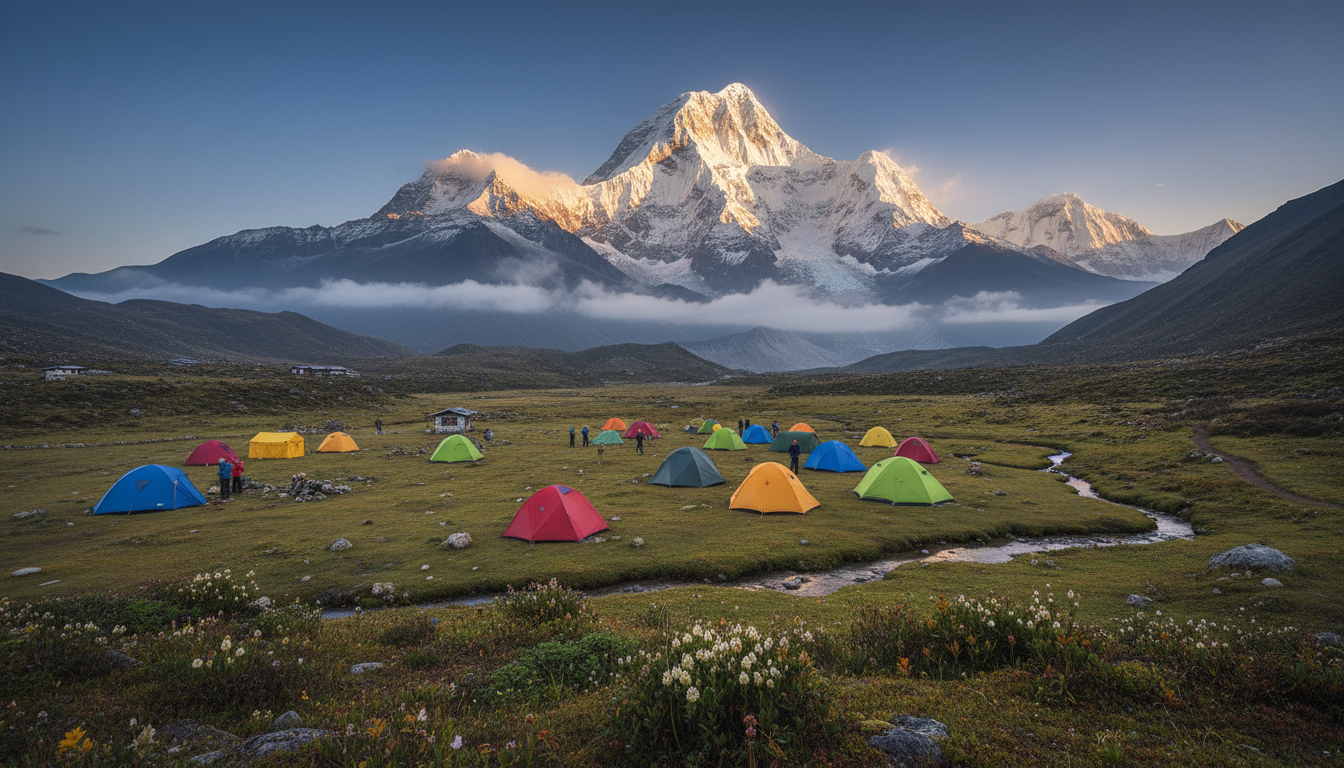 8–11 Days
 This image was generated with AI.
Jomolhari Trek
8 to 11 days to the spectacular Jomolhari Basecamp. The ideal preparation for the Snowman Trek – partly the same route.
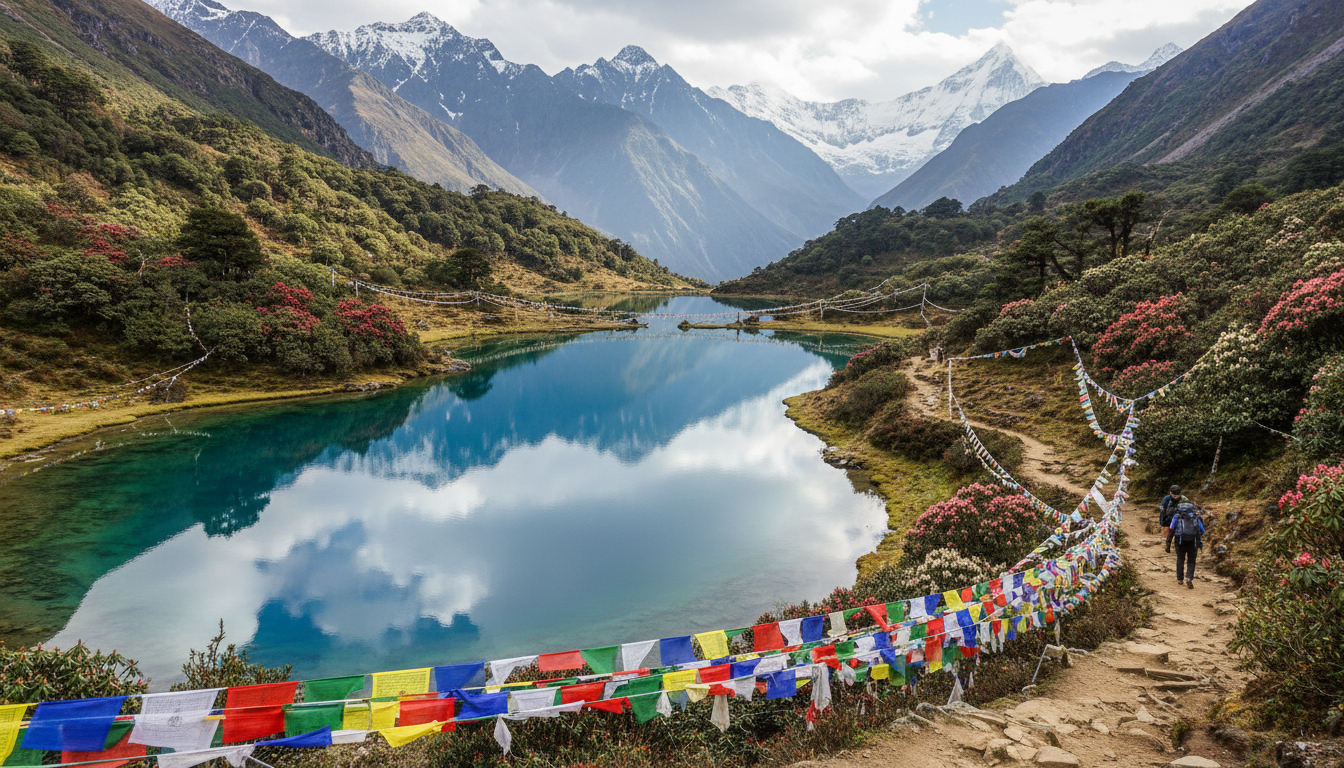 5–6 Days
 This image was generated with AI.
Druk Path Trek
5 to 6 days from Paro to Thimphu. A good introduction to high altitude trekking in Bhutan with moderate demands.
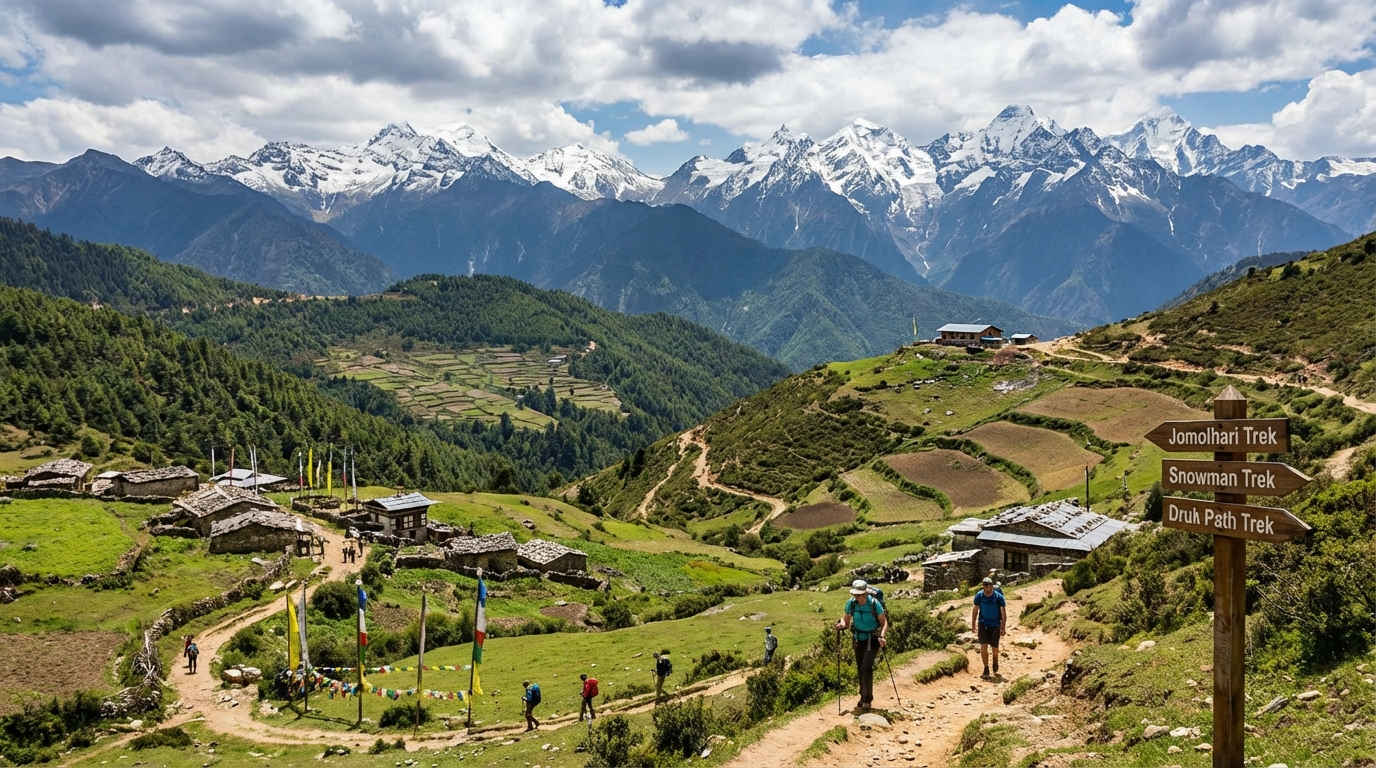 Overview
 This image was generated with AI.
All Treks Overview
Compare all trekking options in Bhutan by duration, difficulty, and requirements.
The Snowman Trek – Are You Ready?
Planning a Snowman Trek requires intensive preparation and honest counseling. We help you assess whether this trek is right for you – and support you in preparing for this extraordinary adventure.