Bhutanese Traditions, Crafts & Shopping – Finding Authentic Souvenirs
Last updated:
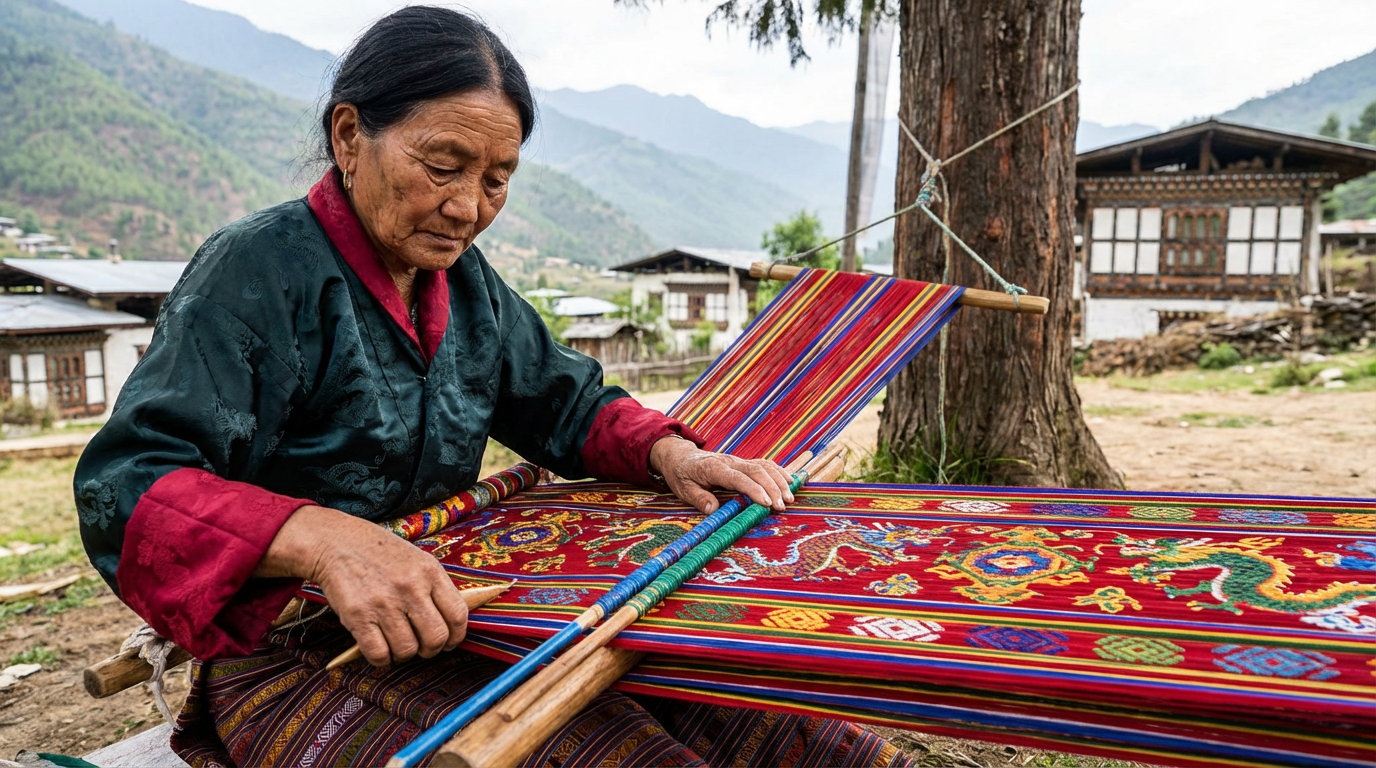
In Bhutan, craftsmanship is far more than an economy – it is a lived culture and spiritual expression all at once. Bhutanese traditions are preserved through Zorig Chusum: 13 art forms passed down from generation to generation for centuries. From the loom to the carving workshop, these crafts unite families across time and create objects that are both everyday items and cultural heritage. Bhutan is the only country in the world that officially promotes and teaches these traditional arts – a testament to the value that the Thunder Dragon Kingdom places on craftsmanship.
Gho and Kira: Bhutan's Traditional Clothing
Unlike in many countries, traditional clothing in Bhutan is not a museum affair. The Gho for men and Kira for women are part of everyday life – and are even mandatory in government buildings, Dzongs (fortified monasteries), schools, and at official occasions. This living tradition makes Bhutan unique: Here you encounter the past not in a museum, but on the street.
The Gho: Clothing for Men in Bhutan
This image was generated with AI.
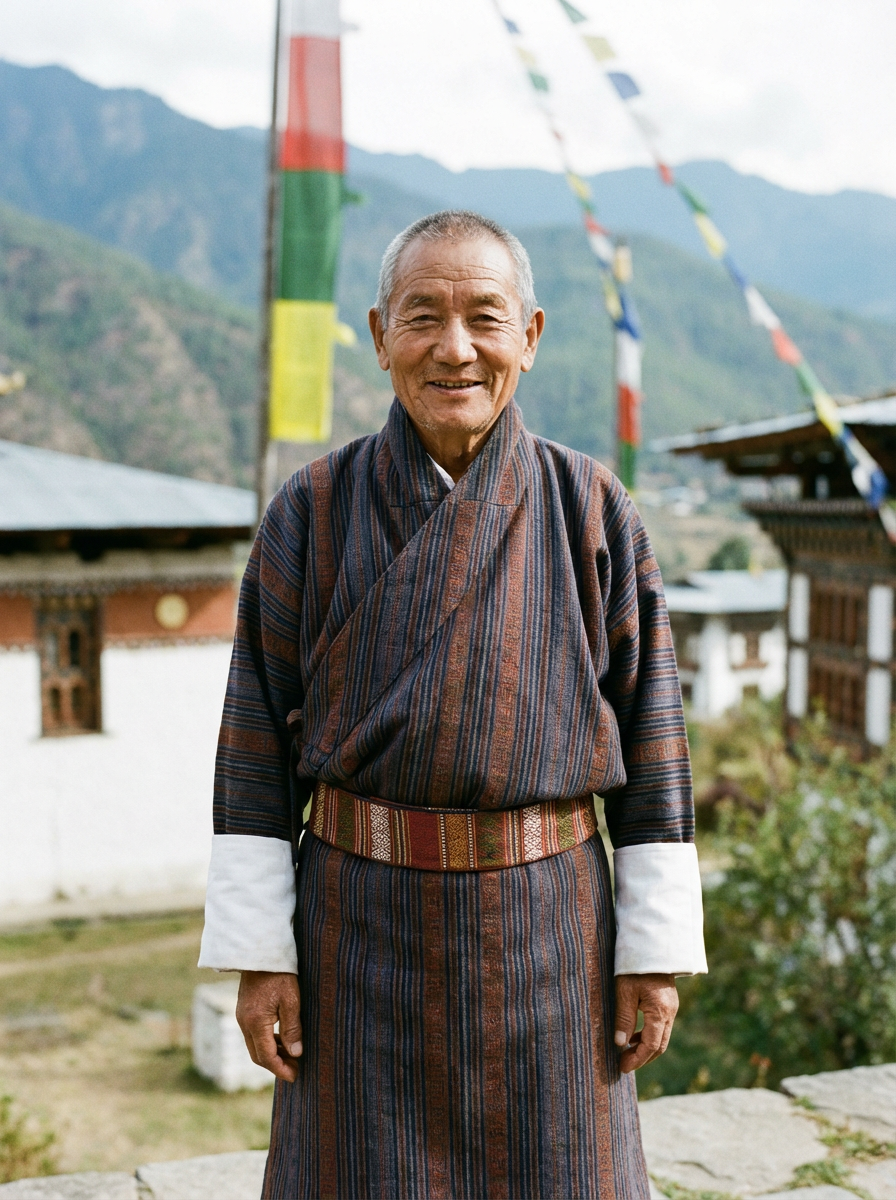
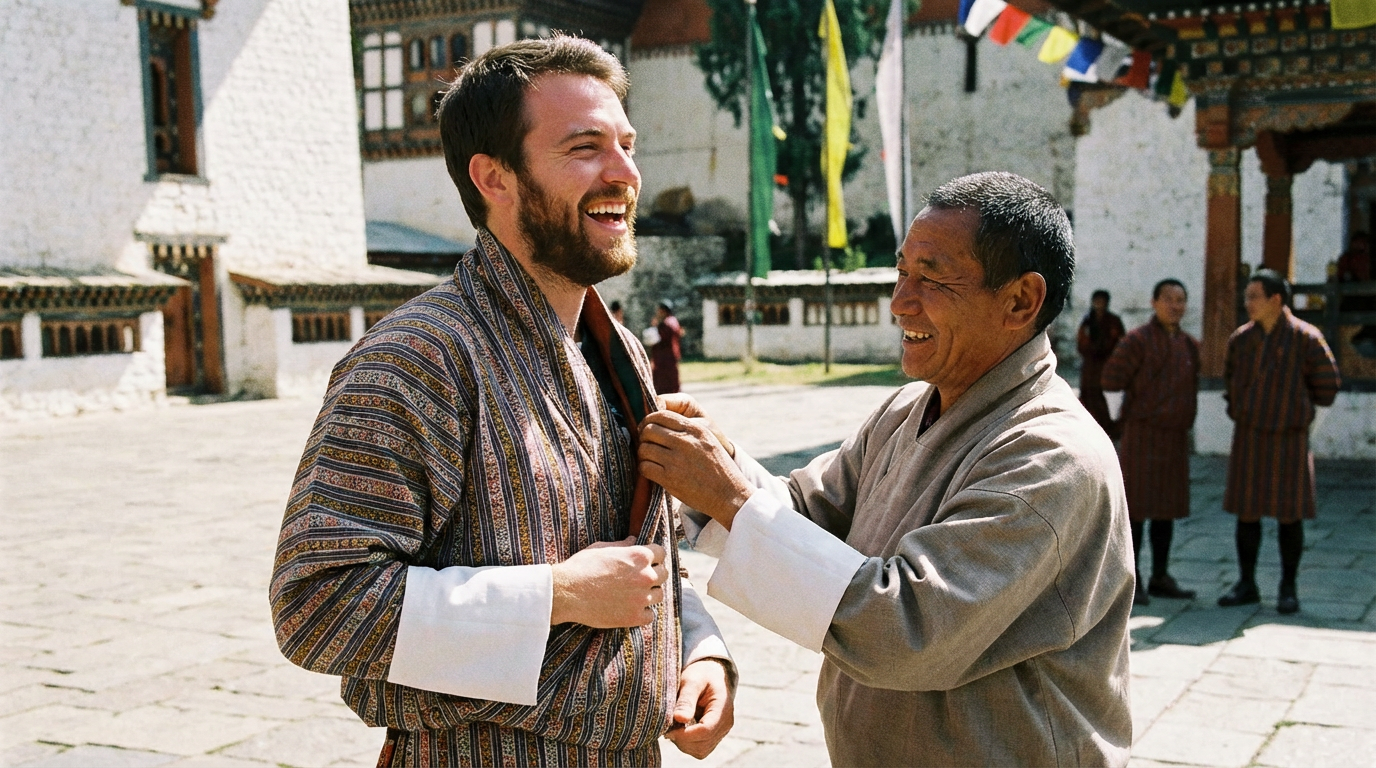
The Gho is a knee-length garment wrapped around the body and fastened with the Kera, a wide fabric belt. The special wrapping technique creates a large pocket in front of the belly – the Hemchu – where writing utensils, areca nuts, or even bowls were traditionally carried. Under the Gho, men wear a Tego with characteristically white, starched sleeves that peek out at the wrists. For everyday wear, the Gho is made of cotton; for festive occasions like Tshechu (religious festivals), silk is preferred.
The Kira: Clothing for Women in Bhutan
This image was generated with AI.
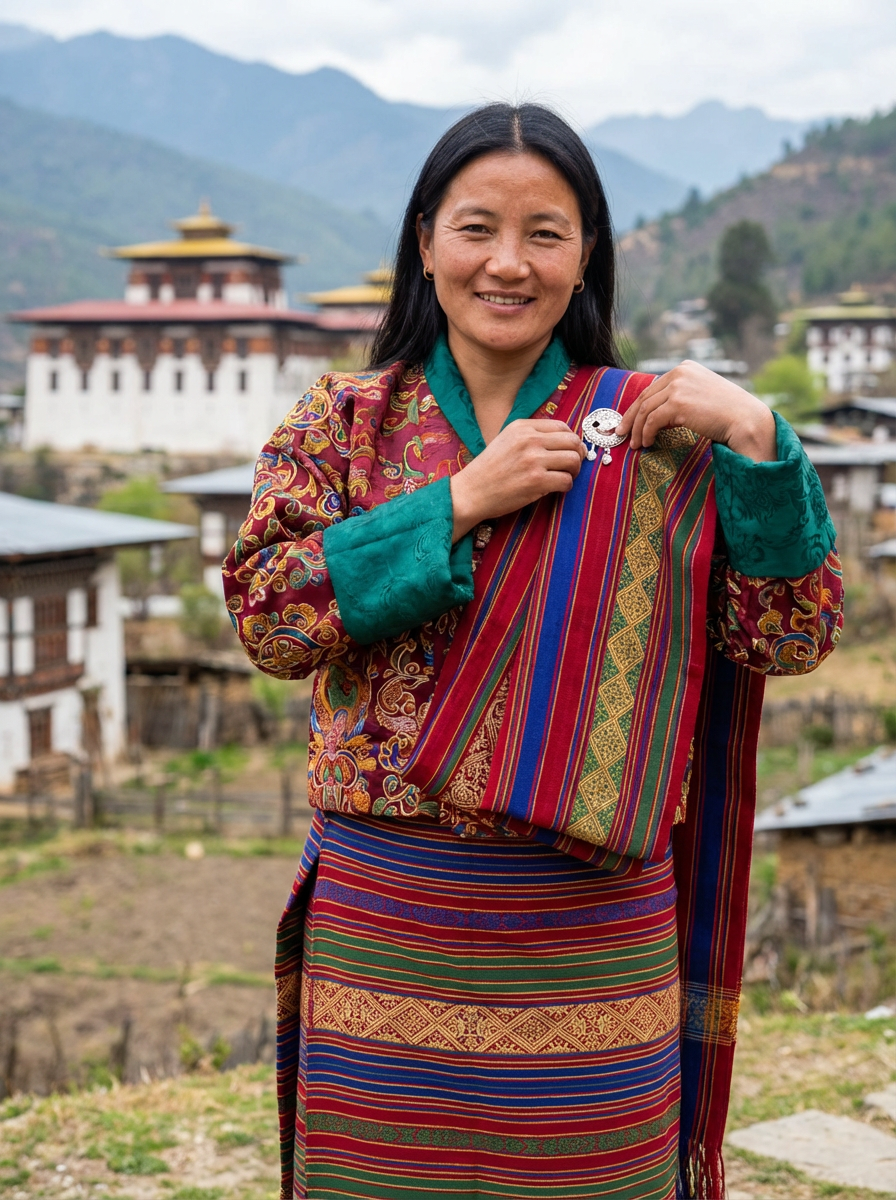
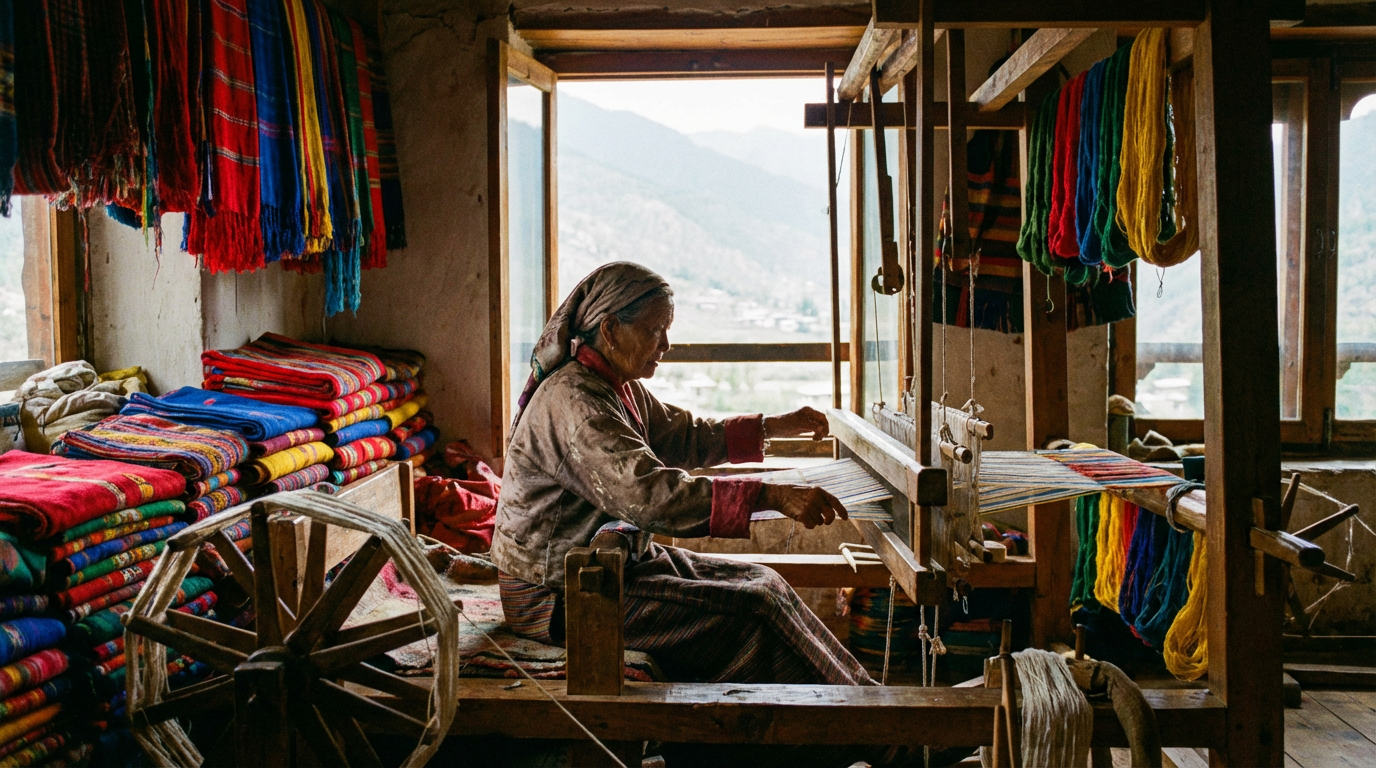
The Kira is an ankle-length wrap garment made of three narrow, sewn fabric panels. It is wrapped around the body and fastened with two silver brooches – the Koma – at the shoulders. A thin belt holds the garment at the waist. Over this, women wear a short jacket (Tego) and for formal occasions, an additional outer garment (Wonju). Creating a high-quality, hand-woven silk Kira requires extraordinary dedication: Up to ten or twelve hours of daily work over an entire year is not uncommon. Each piece is unique and often a family heirloom.
Zorig Chusum: The 13 Traditional Arts of Bhutan
Bhutan is the only country in the world that officially promotes 13 traditional art forms and teaches them in dedicated institutes. The National Institute for Zorig Chusum in Thimphu has trained young Bhutanese in these disciplines since 1971. Training takes four to six years – a testament to how seriously the kingdom takes its cultural heritage.
| Art (Dzongkha) | English Name | Description |
|---|---|---|
| Thagzo | Weaving | Production of textiles on traditional looms, foundation for Gho and Kira |
| Shingzo | Woodworking | Carpentry and construction of traditional buildings, temples, and bridges |
| Parzo | Woodcarving | Intricate decorations on temples, furniture, and decorative objects |
| Lhazo | Painting | Thangka scroll paintings and wall murals with religious motifs |
| Jinzo | Clay Work | Crafting clay figures and religious sculptures |
| Lugzo | Bronze and Brass Casting | Production of ritual objects, statues, and musical instruments |
| Shagzo | Wood Turning | Crafting bowls, cups, and vessels from a single piece of wood |
| Garzo | Blacksmithing | Production of tools, knives, and metal objects |
| Tshemzo | Sewing and Embroidery | Crafting appliqués for Thangkas and ceremonial garments |
| Tshazo | Bamboo Work | Weaving of baskets, mats, and everyday objects |
| Dezo | Papermaking | Traditional hand-scooped paper from Daphne bark |
| Dozo | Stonework | Processing stone for buildings, mani stones, and sculptures |
| Troeko | Jewelry and Silver | Crafting traditional jewelry such as Koma brooches and rings |
Regional Craft Traditions in Bhutan
Over centuries, specialized craft traditions have developed in Bhutan's different valleys. Each region is known for certain products – visiting locally allows direct contact with the artisans.
 Textiles
 This image was generated with AI.
Bumthang
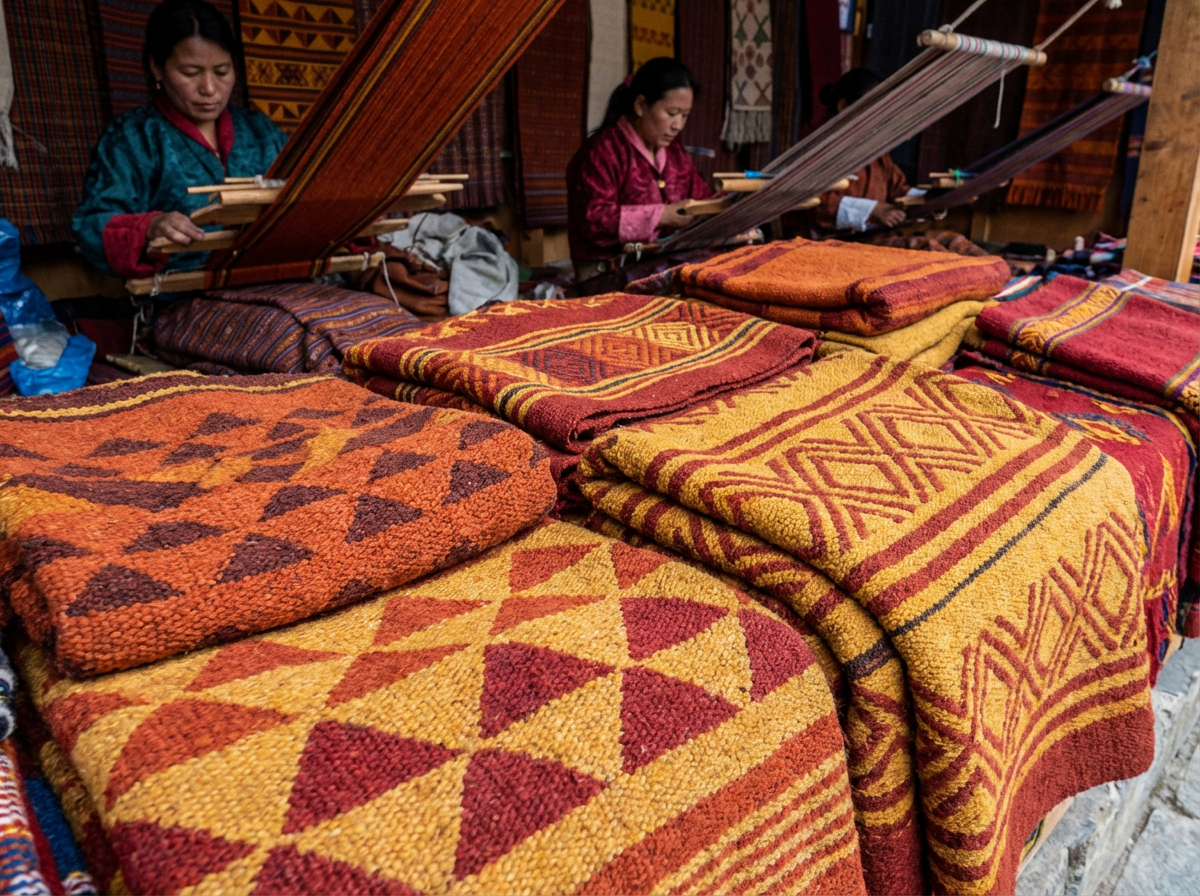
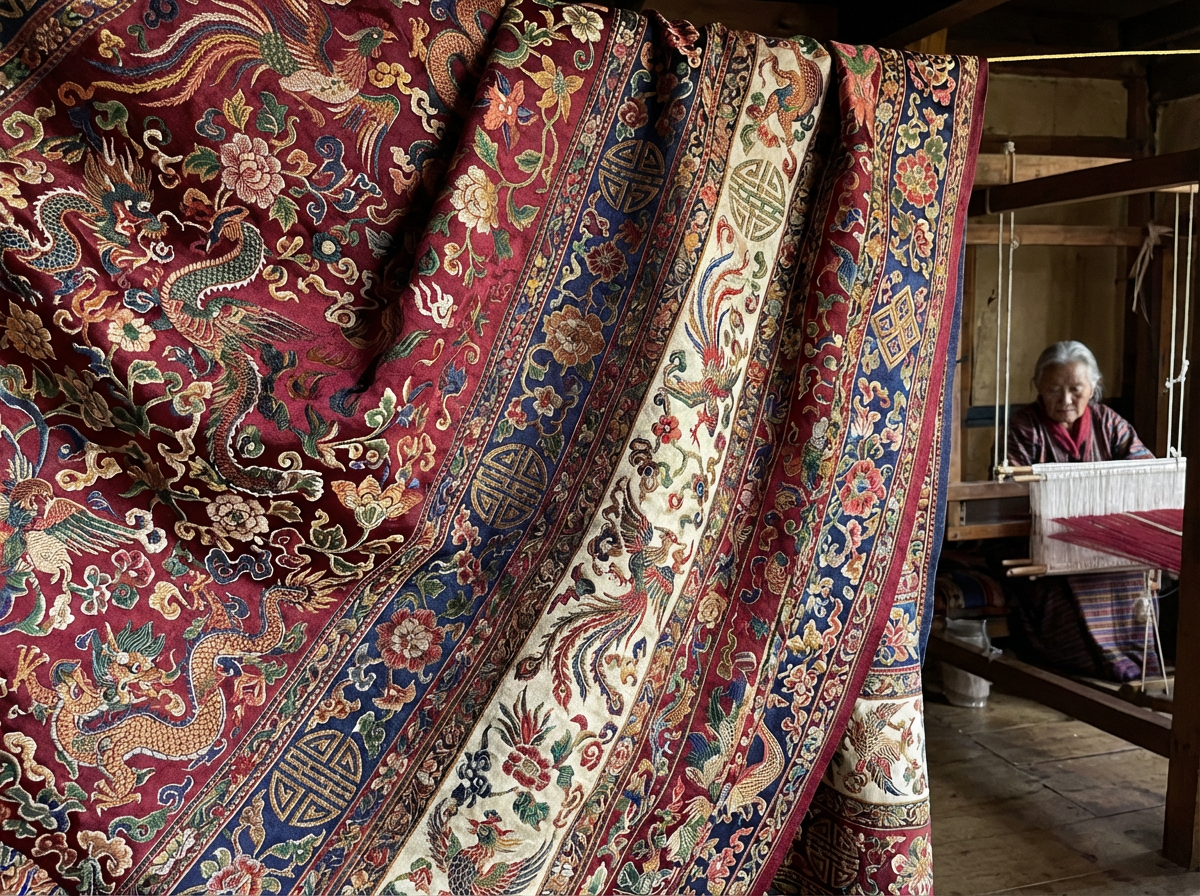
The home of Yathra wool fabrics: vibrant geometric patterns in orange, red, and yellow on hand-spun sheep's wool. Perfect for blankets, bags, and warm jackets.
 Silk
Silk This image was generated with AI.
Khoma and Lhuentse
East Bhutan is famous for Kishuthara – exquisite silk textiles with complex, multi-colored patterns. Each piece requires months of patient handwork.
 Wood
Wood This image was generated with AI.
Trashiyangtse
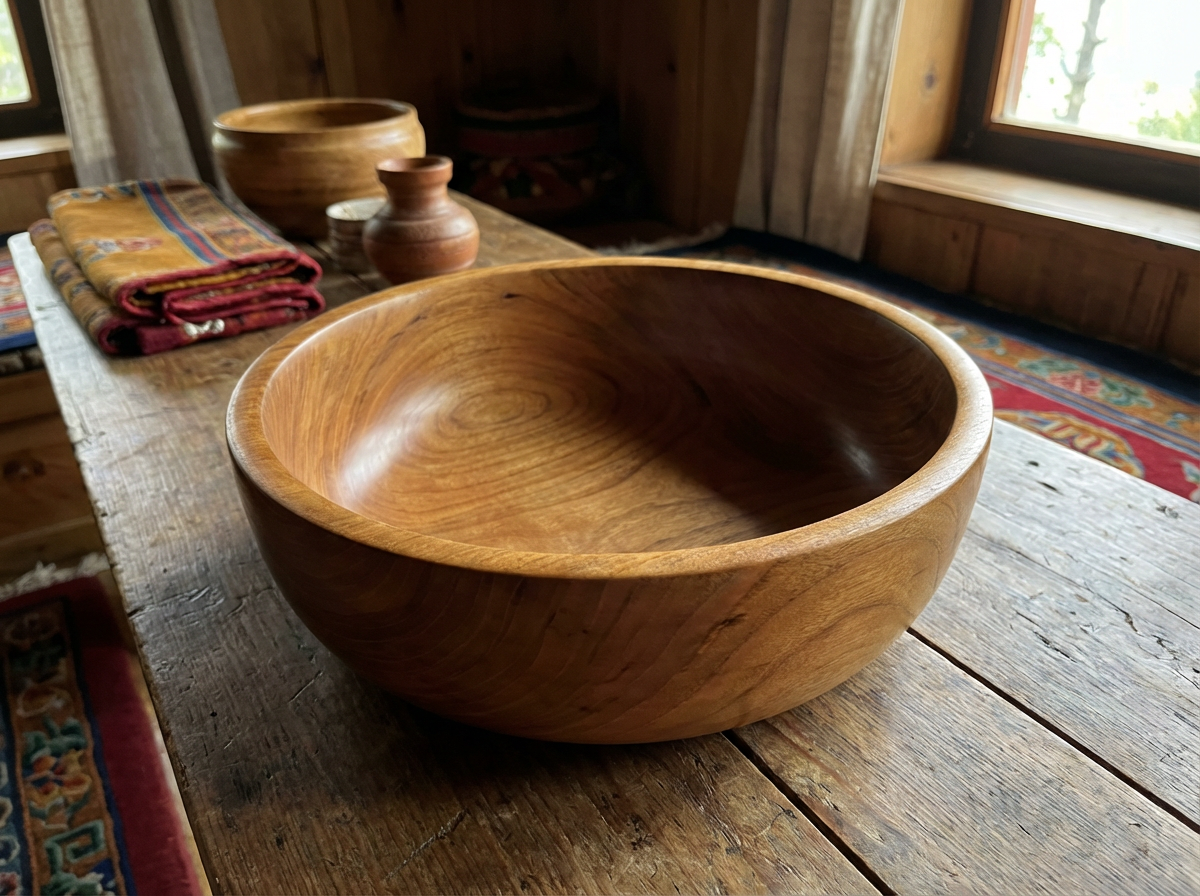
Here are created the famous Dapa wood bowls, turned from a single piece of wood. Traditionally used to serve rice and butter tea.
Buying Craft Products and Souvenirs
Bhutanese craft products are authentic mementos with cultural value. From hand-woven textiles to traditional wooden bowls to religious objects – the selection is diverse. Important: Only newly made products may be exported. Buying antiques and religious artifacts is strictly forbidden.
Buying Textiles from Bhutan
| Product | Price Range (USD) | Description |
|---|---|---|
| Scarf / Cloth | 20–100 | Hand-woven with traditional patterns, various colors |
| Yathra Blanket | 50–200 | Warming wool blanket from Bumthang with vibrant patterns |
| Kira (simple) | 100–500 | Cotton or machine-made, suitable for everyday wear |
| Kira (silk, hand-woven) | 1,000–6,000+ | Artwork from months of handwork, collector's piece |
Other Craft Products
Wood Products
- Dapa wood bowls – traditional vessels for rice or butter tea
- Tshechu masks – skillfully crafted replicas of festival masks
- Phallus carvings – symbol of the venerated "Divine Madman"
Paper Goods
- Traditional hand-scooped paper from Daphne bark
- Calligraphy and prints with Buddhist mantras
- Decorative prayer tablets for home
Jewelry
- Silver jewelry with traditional motifs and patterns
- Coral and turquoise jewelry in Bhutanese design
- Koma brooches – the elegant shoulder clasps of the Kira
Religious Objects
- Handcrafted prayer wheels in various sizes
- Authentic prayer flags with traditional mantras
- New Thangkas – Buddhist scroll paintings by artists
Shopping in Thimphu: The Best Places to Shop
Thimphu is the center for craft shopping in Bhutan. Here you'll find the widest selection of products from all regions of the country – from state-run shops with guaranteed quality to vibrant markets with authentic atmosphere.
National Handicrafts Emporium
The state-run Emporium is centrally located in Thimphu and offers a comprehensive selection of all craft products under one roof. Prices are fixed and fair – you don't need to haggle here. Quality is checked, and proceeds go directly to the artisans. Credit cards are accepted. Ideal for those who want an overview before browsing in smaller shops.
Norzin Lam Street
Thimphu's bustling main street offers numerous small shops with clothing, textiles, jewelry, and souvenirs. Here tourists and locals mix, and the atmosphere is pleasantly busy. A special tip: The Yoser Lhamo Shop is known for high-quality traditional clothing.
Weekend Market (Centenary Farmers Market)
From Thursday to Sunday, the riverside transforms into a vibrant market. The ground floor offers fresh produce, spices, and local specialties; the upper floors feature crafts and textiles. Bhutanese locals shop here themselves – an authentic experience away from tourist hotspots. The selection is less curated, but surprising finds are possible.
CSI Market (Cottage and Small Industry)
Under the motto "The Best of Bhutan under One Roof," the CSI Market brings together books, local food, Bhutanese tea, and craft products. The special feature: Your purchase directly supports local small businesses and cooperatives.
Gagyel Lhundrup Weaving Center
Located in central Thimphu, this weaving center offers a special experience: You can watch the weavers at work and buy textiles directly from the artisans. This way you know exactly who made your piece – and you take a personal story home with you.
Recognizing Quality: Distinguishing Handwork from Machine-Made Goods
Those who appreciate genuine craftsmanship should know some characteristics to distinguish high-quality handwork from machine-made products. These tips will help you make conscious purchasing decisions.
Hand-woven versus Machine-made
Hand-woven textiles show slight irregularities in the pattern and weaving – this is not a flaw but a quality mark. Machine-made fabrics look perfectly uniform and can appear "too perfect" upon close inspection.
Recognizing Real Silk
Real silk has a natural, soft luster – less "plastic" than synthetic fiber. It feels cool to the touch and wrinkles in a characteristic way. When in doubt, ask the seller about the material composition.
Checking Pattern Details
The more complex and fine the pattern, the more hours of work go into the product – and the higher the justified price. Ask about the origin of the piece and who made it. Reputable merchants gladly provide information.
Experiencing Crafts: Museums, Workshops, and Encounters
In Bhutan you can not only buy craftsmanship but experience it firsthand. Museums, training institutions, and visits with artisans provide deep insight into techniques passed down for generations.
This image was generated with AI.
This image was generated with AI.
This image was generated with AI.
This image was generated with AI.
Royal Textile Academy
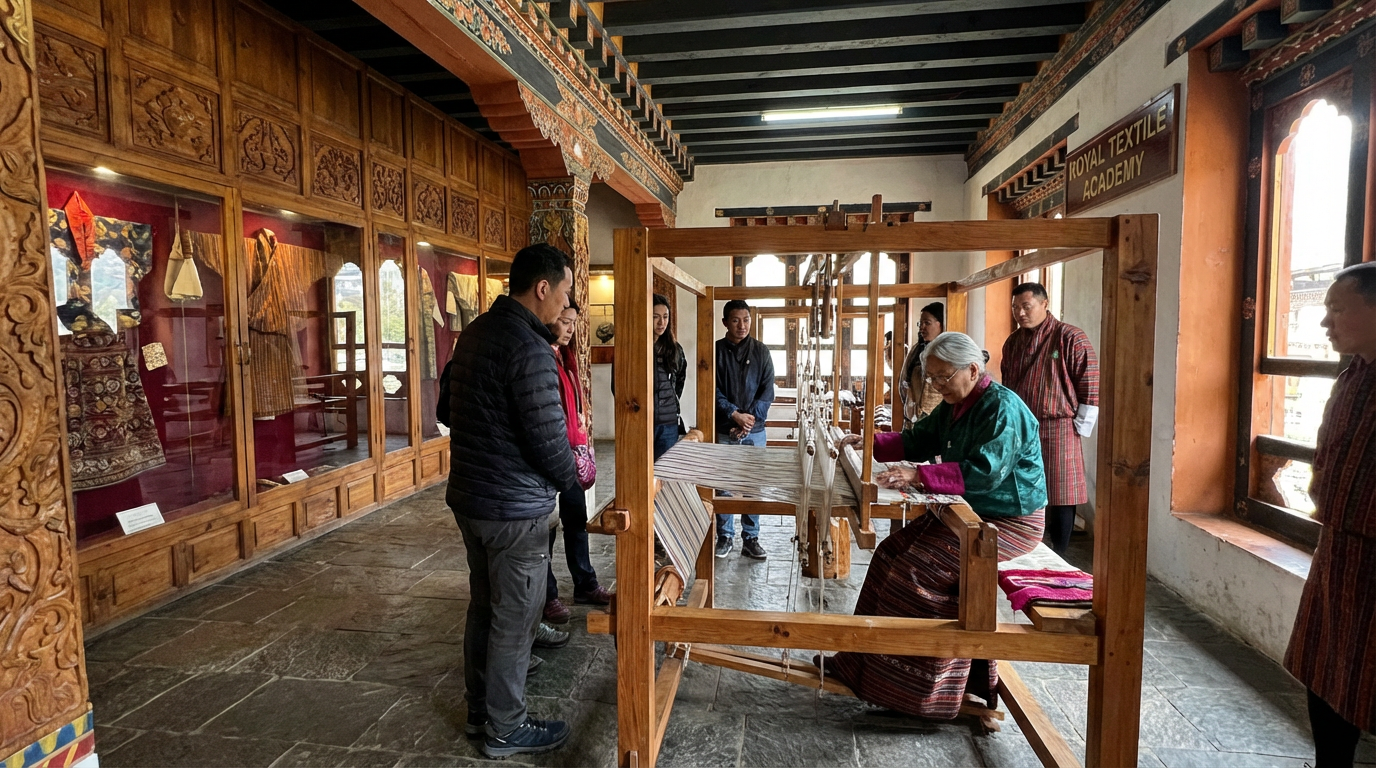
The Royal Textile Academy in Thimphu is the best introduction to the world of Bhutanese textile art. In the exhibition you see historical garments and rare techniques while weavers demonstrate traditional methods. The attached shop offers high-quality textiles at fair prices. A visit here should not be missed on any Bhutan trip – you'll see Kira and Gho with completely different eyes afterward.
National Institute for Zorig Chusum
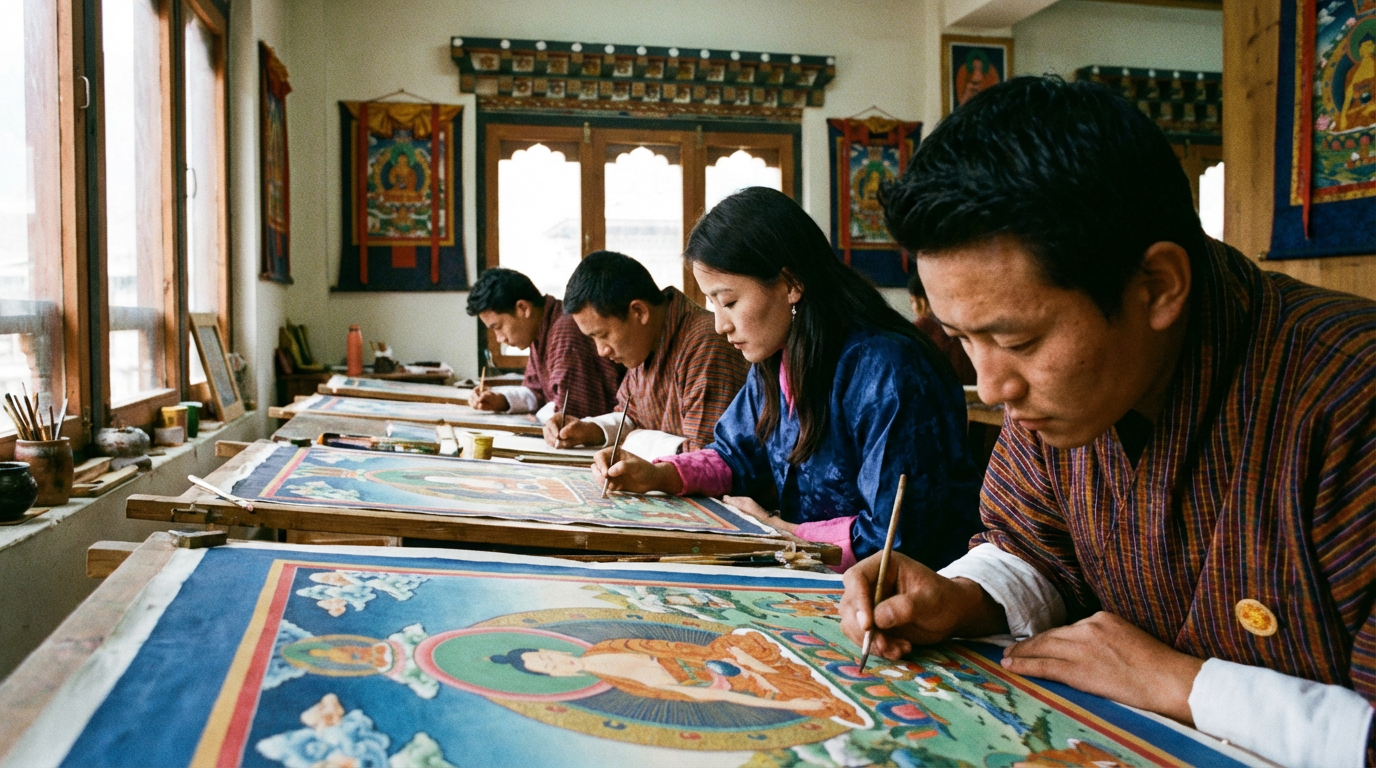
At the state institute in Thimphu, young Bhutanese learn all 13 traditional arts – from painting to woodcarving to bronze casting. Visitors can watch the students work over their shoulders. Student works are often available for purchase – usually cheaper than in shops, and you directly support the next generation of artisans.
Visiting Local Weavers
One of the most personal experiences of a Bhutan trip is visiting weavers in their homes. Especially in Bumthang and East Bhutan, your guide can arrange such encounters. You experience how textiles are created and understand the dedication behind each piece. Many travelers cite these visits as the highlight of their trip.
Can Tourists Wear Gho and Kira?
Yes, and it's even appreciated. Bhutanese are pleased when visitors wear their traditional clothing – it's considered a sign of respect for the culture. It's also practical: Gho and Kira are warm, provide proper coverage, and fulfill the dress code for Dzong visits perfectly. Hotel staff or your guide are happy to help with proper dressing.
Buying Traditional Clothing
- Simple Gho or Kira from about USD 50
- High-quality pieces from USD 200 and up
- A special souvenir with practical use
- Hotel staff or guide help with dressing
Renting Traditional Clothing
- Available at tourist sites
- Renting is possible at Tiger's Nest Café
- Cheaper for one-time photos
- Instructions for correct wearing included
When I weave, I am not just weaving threads together. I weave in the stories of my grandmother, the colors of our mountains, and prayers for my family. Every pattern speaks of what unites us as Bhutanese – across generations.
Frequently Asked Questions About Crafts and Shopping in Bhutan
Can I pay with credit card?
Credit cards are accepted in larger shops, hotels, and state institutions like the Handicrafts Emporium. However, at markets and small merchants, only cash is possible. Bring sufficient Ngultrum or US dollars with you.
How do I recognize real handwork?
Real handwork shows slight irregularities in the pattern – that's a quality mark. Ask about the origin and who made the piece. State shops guarantee the authenticity of their products. When in doubt, compare multiple pieces.
Can I buy and export antiques?
No. The purchase and export of antiques and historical religious artifacts is strictly forbidden in Bhutan. This regulation protects the country's cultural heritage. Buy exclusively newly made craft products.
What are appropriate prices for craft products?
Prices vary greatly depending on effort and materials. A hand-woven silk fabric costs several thousand dollars because it requires months of handwork – that's justified. Use our price table above as guidance and compare in different shops.
Can I try on traditional clothing?
Yes, many shops offer this and are happy to show you how Gho and Kira are worn correctly. Your guide or hotel staff also help with dressing. At Tiger's Nest you can also rent clothing.
Discover Related Topics
 Region
 This image was generated with AI.
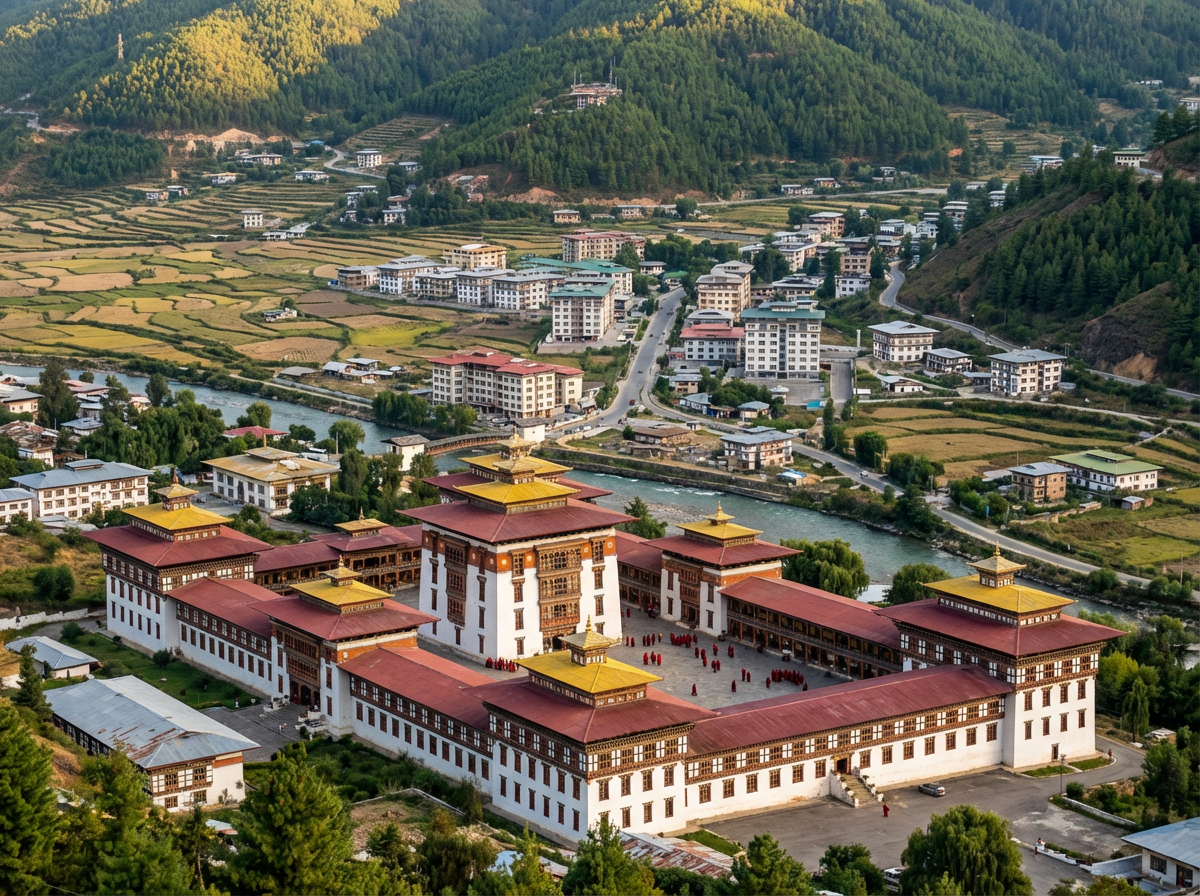
Thimphu: Bhutan's Capital
Discover Thimphu as Bhutan's cultural center – from museums and Dzongs to the best shopping opportunities and vibrant markets.
 Practical
 This image was generated with AI.
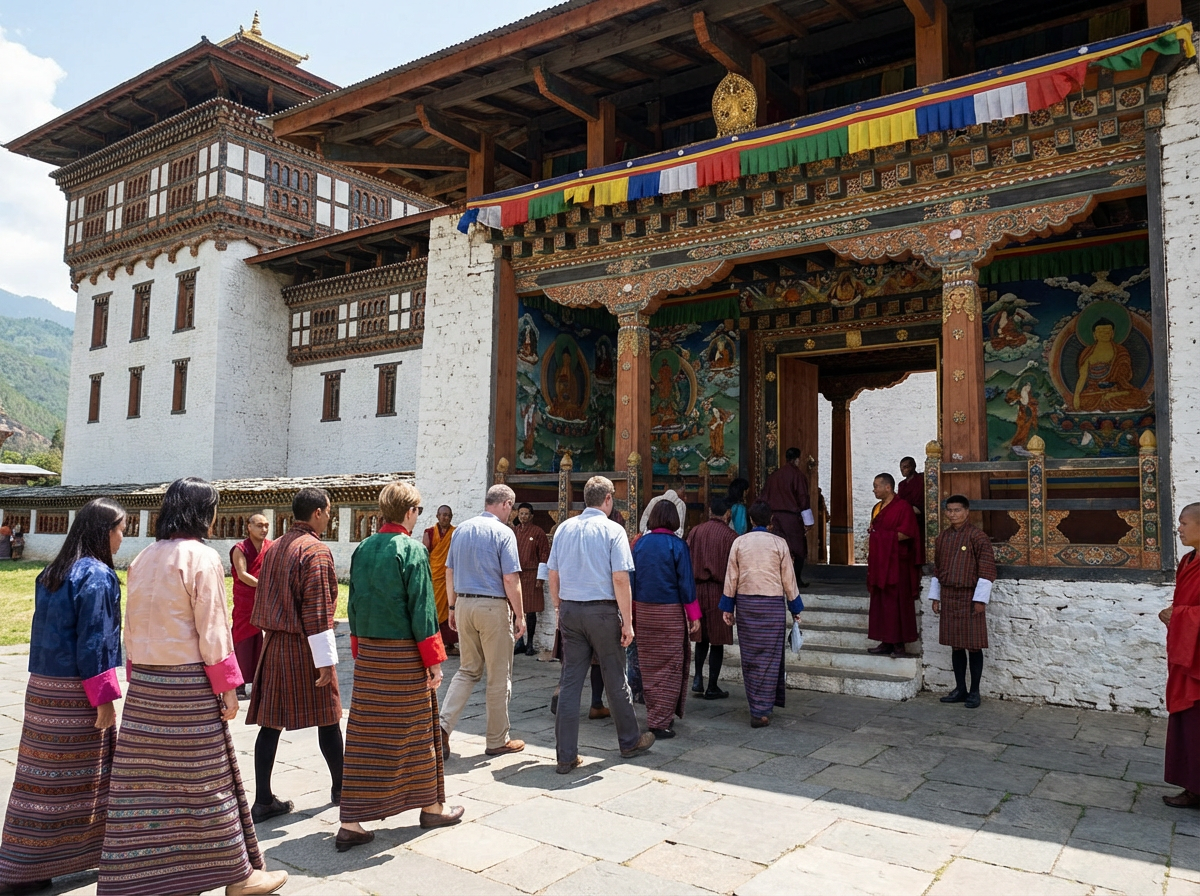
Dress Code and Etiquette in Bhutan
Learn everything about the dress code for Dzong visits, respectful behavior at sacred sites, and what you as a traveler should observe.
Experience Bhutan's Craftsmanship Firsthand
Plan your trip with visits to artisans and authentic experiences off the beaten path.